
Tesla's 4680 Battery Cells Underperforming in Model Y Vehicles
Updated May 7, 2026
3 min read
1 linked source
Tesla's 4680 battery cells are reportedly underperforming compared to supplier batteries, affecting European Model Y owners. The new cells deliver lower energy density, reduced charging performance, and less range than expected, leading to dissatisfaction among buyers who have noticed the downgrade.
Share this story
Why it matters
- ✓Owners may experience decreased driving range and longer charging times, impacting daily use and convenience.
- ✓The performance issues could affect resale value and overall ownership satisfaction.
- ✓Potential buyers might reconsider their purchase if the 4680 cells continue to underperform.
Reporting notes
EV Signal briefs are written to explain the verified change first, then add the context EV buyers and owners need to understand cost, availability, charging access, eligibility, or ownership impact.
If details are still developing, we try to say what is confirmed, what comes from secondary reporting, and what readers should verify before acting.
Source mix
1 linked source
1 media
Reviewed from: Electrek.
Tesla's 4680 Battery Cells Underperforming in Model Y Vehicles
Tesla's introduction of the 4680 battery cell was met with high expectations, promising significant improvements in energy density, power output, and driving range. However, recent reports indicate that these cells are not meeting those expectations, particularly in European Model Y vehicles where they are being integrated as a replacement for supplier batteries.
What Changed
Five years after their unveiling at Battery Day, Tesla's 4680 battery cells are showing disappointing performance metrics. According to a report from Electrek, the homemade cells consistently provide worse energy density, charging performance, and overall range compared to the supplier batteries they were intended to replace. This shift has become particularly noticeable as Tesla has begun swapping out supplier batteries for its own 4680 cells in European Model Y vehicles, leading to frustration among owners who have experienced a downgrade in performance.
Why It Matters for Buyers/Owners
The underperformance of the 4680 cells has several implications for current and potential Tesla owners:
- Decreased Driving Range: Owners may find that their vehicles do not achieve the expected range, which could affect their daily driving habits and long-distance travel plans.
- Longer Charging Times: With reduced charging performance, owners might face longer wait times at charging stations, impacting convenience and usability.
- Resale Value Concerns: The performance issues could lead to a decrease in resale value for affected vehicles, as buyers may be wary of the 4680 cells' reliability and performance.
Key Details from Source Material
The report from Electrek highlights that Tesla's 4680 cells were initially touted to offer 5 times the energy, 6 times the power, and a 16% increase in range. However, the reality has proven to be quite different, with the new cells failing to deliver on these promises. As Tesla continues to implement these cells in its vehicles, the dissatisfaction among owners is likely to grow, especially as they compare their experiences to those of previous Model Y owners who had supplier batteries.
What to Watch Next
As this situation develops, it will be important to monitor Tesla's response to the performance issues of the 4680 cells. Potential updates on battery technology, performance improvements, or customer service initiatives may emerge as Tesla seeks to address owner concerns. Additionally, feedback from the broader community of Tesla owners will be crucial in understanding the long-term implications of this battery transition.
In conclusion, while Tesla's 4680 battery cells were expected to revolutionize their vehicles, the current performance issues present significant challenges for both current owners and potential buyers. As the situation evolves, it will be essential for Tesla to address these concerns to maintain customer satisfaction and trust.
Sources
These are the documents and reports used to build this brief so readers can verify the story directly.
Comments
Log in with
Loading comments…
More in Ownership
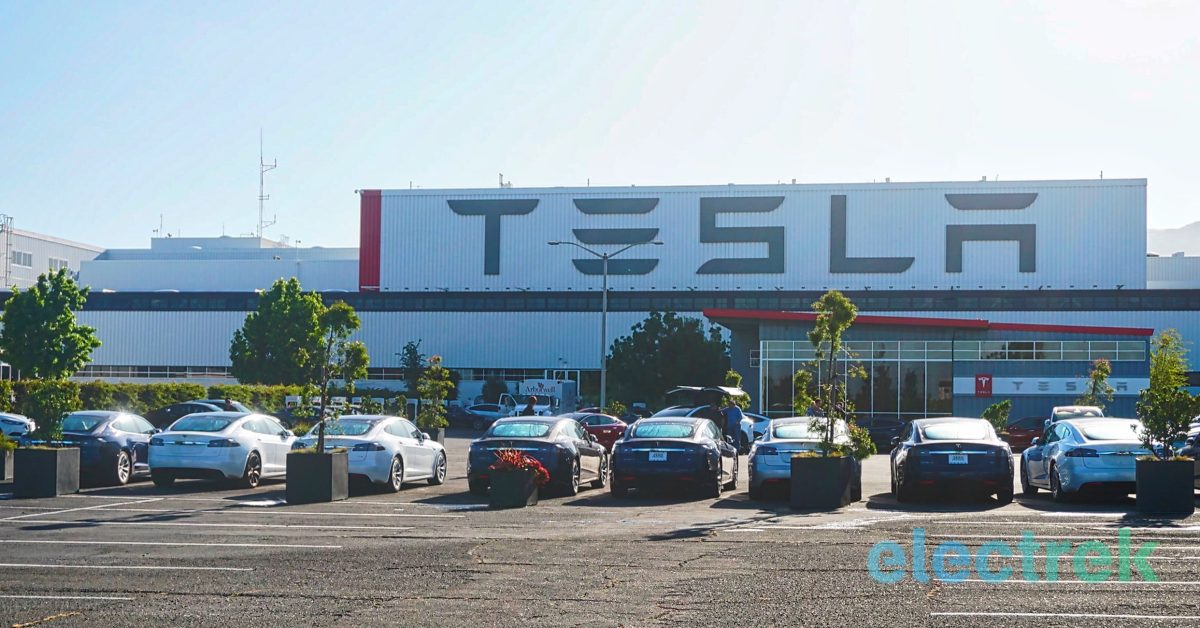
Tesla's Lawyers Misled Witness in Racism Trial
Tesla's ongoing racism trial in California has faced significant setbacks as it was revealed that a…
18h ago
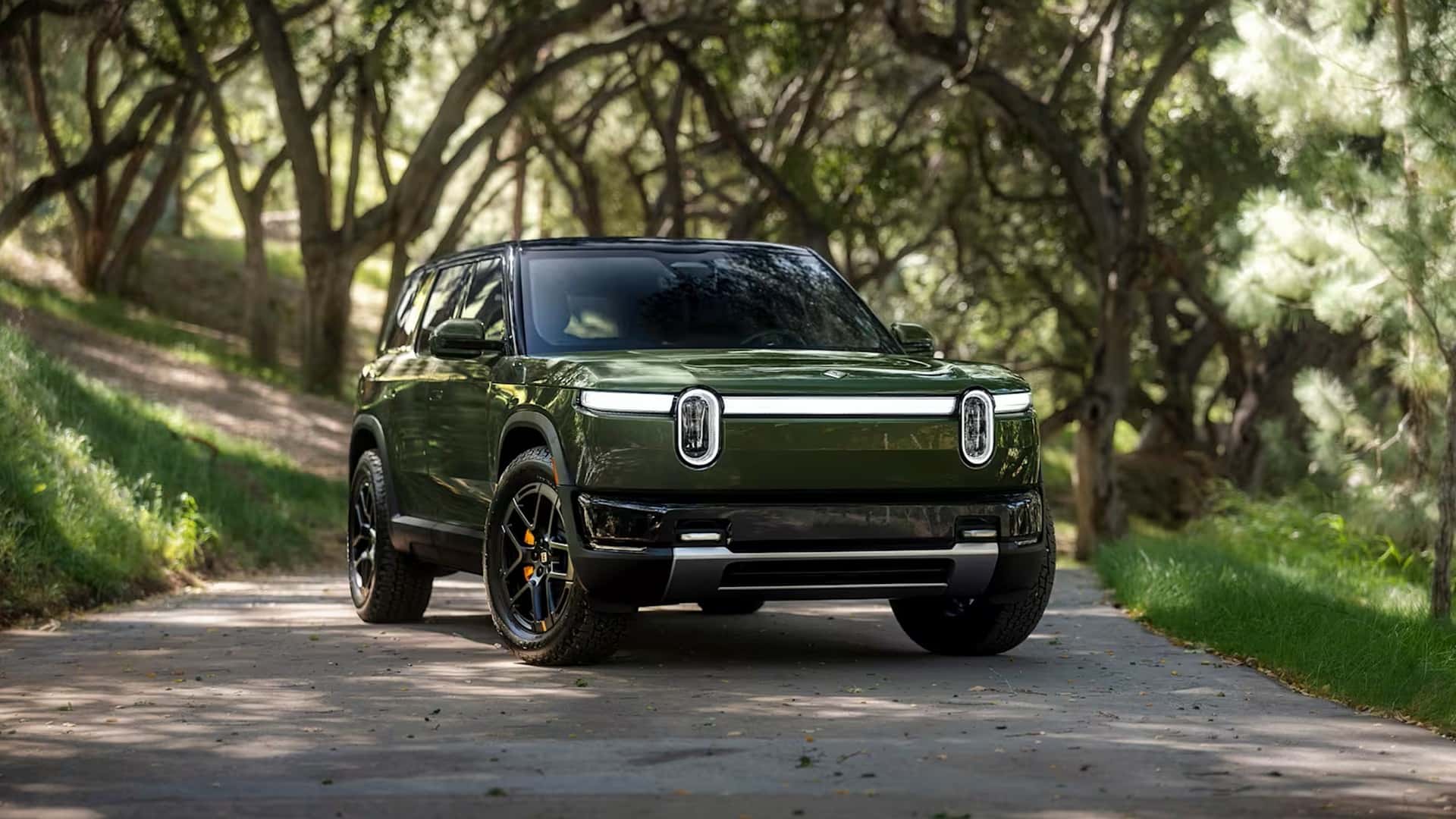
Rivian R2 Faces First Recall Due to Camera Issue
Rivian has issued a recall affecting nearly 99,000 vehicles, including some of its new R2 models,…
18h ago
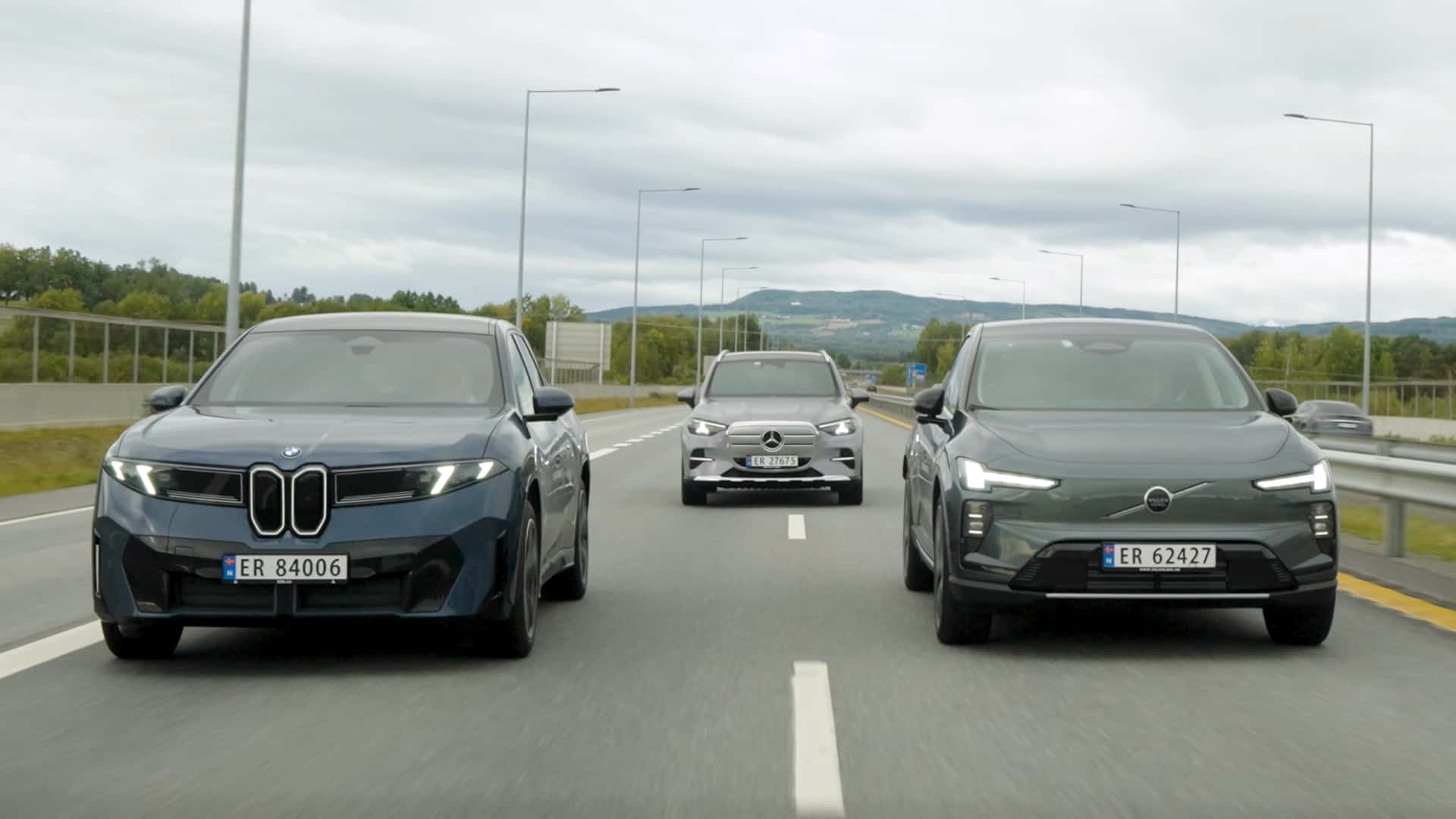
BMW iX3 Outperforms Mercedes GLC and Volvo EX60 in Highway Efficiency Test
In a recent highway test, the BMW iX3 demonstrated superior energy efficiency and range compared to…
1d ago
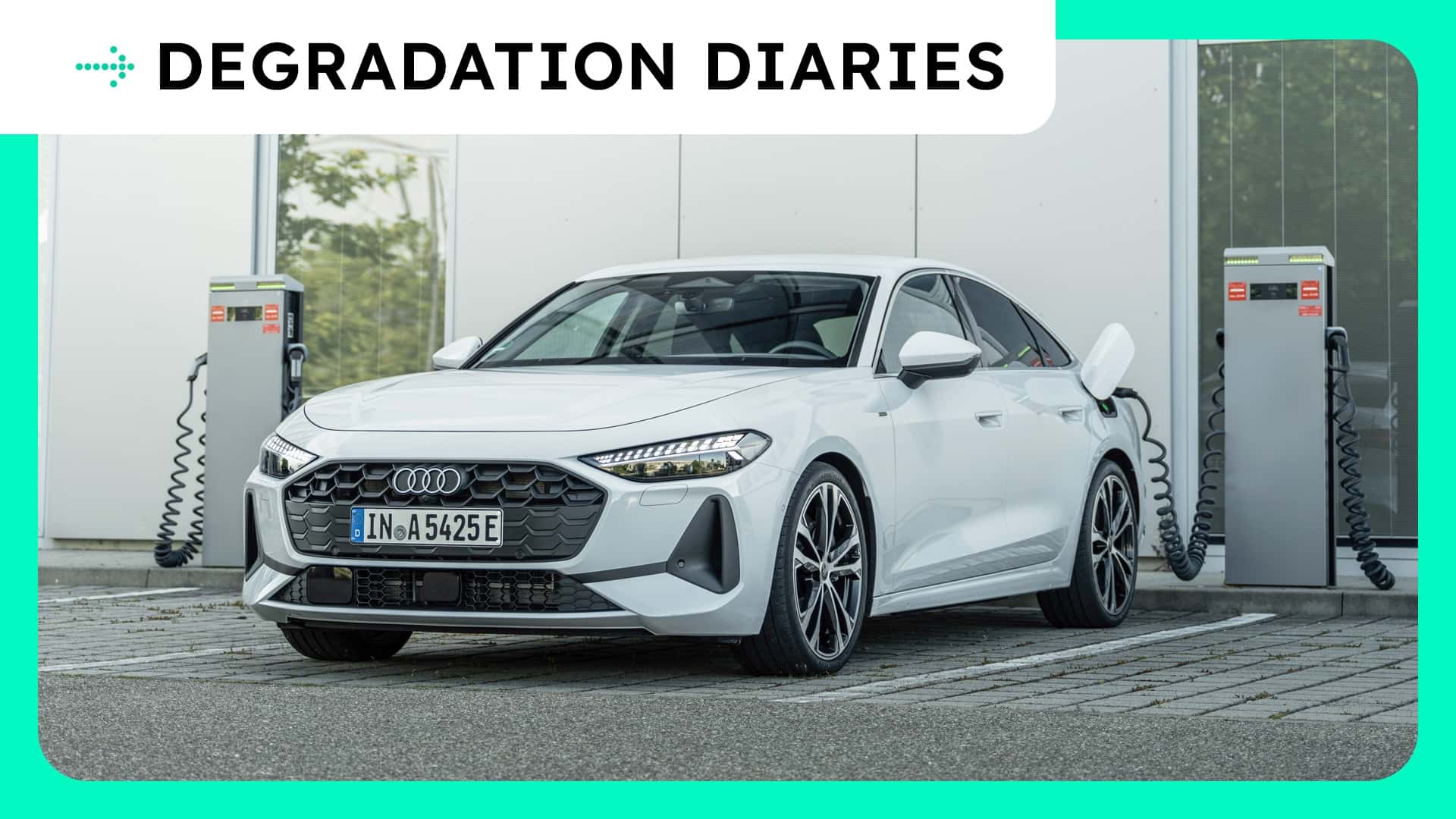
PHEV Batteries Show Resilience Despite Frequent Cycling
Plug-in hybrid electric vehicles (PHEVs) experience more frequent battery cycling than fully…
1d ago