
Tesla VP of Finance Departures After 17 Years
Updated March 11, 2026
5 min read
1 linked source
Sendil Palani, Tesla's Vice President of Finance, has announced his departure after 17 years with the company. His exit marks a significant loss of institutional knowledge as Tesla experiences a wave of executive turnover, particularly among its long-standing leadership team from the pre-IPO era.
Share this story
Why it matters
- ✓The departure of key executives like Palani may impact Tesla's financial strategies and operations, which could affect pricing and availability of vehicles for buyers.
- ✓As institutional knowledge diminishes, there may be challenges in maintaining the company's innovative edge and customer service, potentially affecting current Tesla owners.
Reporting notes
EV Signal briefs are written to explain the verified change first, then add the context EV buyers and owners need to understand cost, availability, charging access, eligibility, or ownership impact.
If details are still developing, we try to say what is confirmed, what comes from secondary reporting, and what readers should verify before acting.
Source mix
1 linked source
1 media
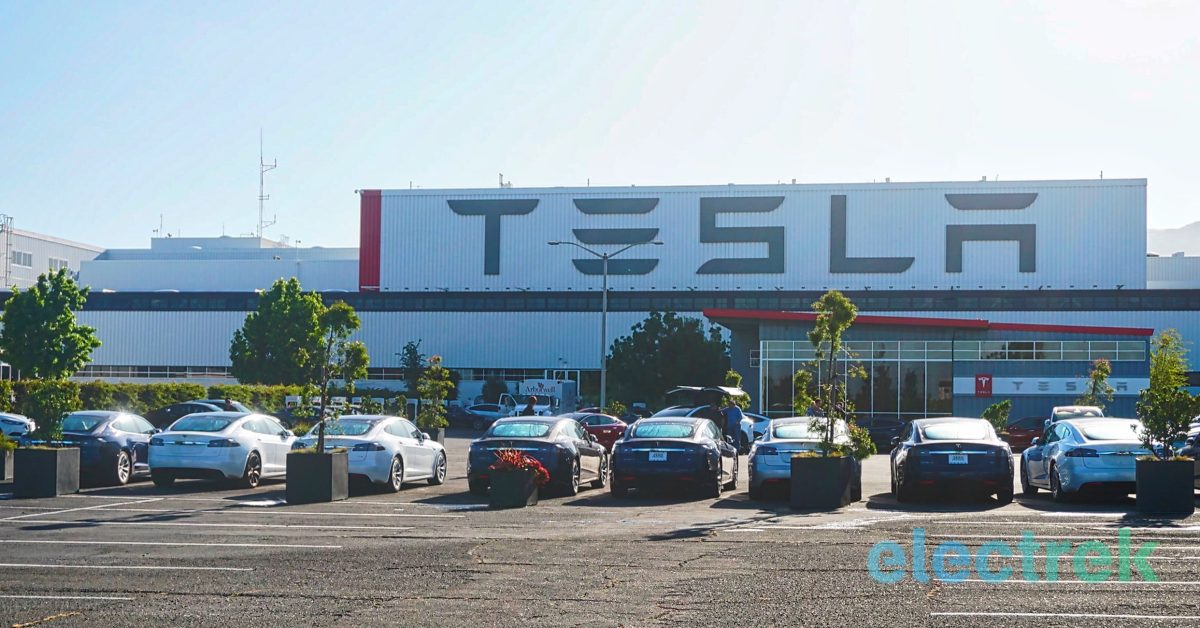
Reviewed from: Electrek.
Tesla VP of Finance Departures After 17 Years
Tesla, the electric vehicle (EV) giant known for its innovative approach to automotive manufacturing and sustainable energy solutions, has recently experienced a notable shift in its executive leadership. Sendil Palani, the company's Vice President of Finance, has announced his departure after an impressive 17-year tenure. His exit is part of a broader trend of executive turnover at Tesla, particularly among long-standing leaders from the pre-IPO era. This article delves into the implications of Palani's departure, the context surrounding it, and what it means for Tesla's future and its customers.
A Brief History of Sendil Palani at Tesla
Sendil Palani joined Tesla at a critical juncture in the company’s history. When he started, Tesla was on the brink of financial collapse, with only weeks of cash left to operate. His expertise in finance and strategic planning played a pivotal role in steering the company towards stability and growth. Over the years, Palani was instrumental in various financial strategies that helped Tesla navigate the complexities of scaling production, managing costs, and optimizing pricing strategies.
Palani's departure marks the exit of one of the last remaining executives from the pre-IPO era, a group that has been crucial in shaping Tesla's identity and operational strategies. His extensive experience and institutional knowledge have been invaluable assets to the company, particularly during times of rapid expansion and change.
The Executive Exodus at Tesla
Palani's departure is not an isolated incident but rather part of a larger trend of executive turnover at Tesla. Over the past two years, the company has seen a significant number of key executives leave their positions, raising concerns about the stability and continuity of leadership within the organization. This wave of departures includes individuals who have been with Tesla since its early days, contributing to its foundational strategies and operational frameworks.
The reasons behind this executive turnover are multifaceted. While some executives have left for personal reasons or new opportunities, others have cited the intense pressure and challenges associated with working in a rapidly evolving industry. The high-stakes environment at Tesla, characterized by ambitious goals and aggressive timelines, can lead to burnout and dissatisfaction among even the most seasoned professionals.
Implications for Tesla's Financial Strategies
The departure of Sendil Palani could have significant implications for Tesla's financial strategies and operations. As the VP of Finance, Palani was responsible for overseeing the company’s financial health, including budgeting, forecasting, and financial reporting. His absence may create a gap in leadership that could affect Tesla's ability to make informed financial decisions, particularly as it continues to expand its production capabilities and explore new markets.
Tesla's financial strategies are critical in determining vehicle pricing, availability, and overall market competitiveness. With Palani's departure, there may be challenges in maintaining the financial discipline that has allowed Tesla to thrive in a competitive landscape. The company may need to quickly fill the void left by Palani to ensure that its financial operations remain robust and aligned with its strategic goals.
Impact on Vehicle Pricing and Availability
One of the most immediate concerns for Tesla owners and potential buyers is how the executive turnover, particularly in the finance department, may affect vehicle pricing and availability. Tesla has been known for its dynamic pricing strategies, which often reflect changes in production costs, supply chain dynamics, and market demand. A shift in financial leadership could lead to adjustments in these strategies, potentially impacting the affordability and accessibility of Tesla vehicles.
As the company navigates the complexities of scaling production and meeting growing demand, any disruptions in financial oversight could result in delays or changes in pricing structures. For current Tesla owners, this could mean fluctuations in vehicle values, while potential buyers may face uncertainty regarding pricing and availability of new models.
Challenges in Maintaining Innovation and Customer Service
Beyond financial implications, the loss of long-tenured executives like Palani raises concerns about Tesla's ability to maintain its innovative edge and high standards of customer service. Institutional knowledge is critical in an organization like Tesla, where innovation and customer satisfaction are paramount to success. With the departure of experienced leaders, there is a risk that the company may struggle to uphold its reputation for cutting-edge technology and exceptional customer experiences.
Tesla's commitment to innovation has been a driving force behind its success, allowing it to stay ahead of competitors in the EV market. However, as institutional knowledge diminishes, the company may face challenges in sustaining its innovative momentum. New leadership may bring fresh perspectives, but it can also lead to shifts in priorities and strategies that could impact the company's long-term vision.
The Future of Tesla's Leadership
As Tesla continues to evolve, the question of leadership becomes increasingly important. The company must find a way to balance the influx of new talent with the retention of experienced executives who understand its unique culture and operational challenges. Filling the gaps left by departing leaders will be crucial in ensuring that Tesla remains competitive in the rapidly changing automotive landscape.
Tesla's leadership transition comes at a time when the EV market is becoming increasingly crowded, with traditional automakers and new entrants vying for market share. To maintain its position as a leader in the industry, Tesla will need to prioritize stability and continuity in its executive ranks while fostering an environment that encourages innovation and collaboration.
Conclusion
The departure of Sendil Palani, Tesla's Vice President of Finance, after 17 years is a significant moment for the company, marking the loss of a key figure in its financial leadership. As Tesla grapples with a wave of executive turnover, the implications for its financial strategies, vehicle pricing, and overall innovation are profound. For current Tesla owners and potential buyers, the changes in leadership could lead to uncertainties that may affect their experiences with the brand.
As Tesla navigates this transitional period, it will be essential for the company to focus on maintaining its commitment to innovation and customer service while ensuring that its financial operations remain strong. The future of Tesla will depend on its ability to adapt to these changes and continue delivering on its promise of sustainable transportation and cutting-edge technology.
Sources
These are the documents and reports used to build this brief so readers can verify the story directly.
Comments
Log in with
Loading comments…
More in Ownership
Tesla's Lawyers Misled Witness in Racism Trial
Tesla's ongoing racism trial in California has faced significant setbacks as it was revealed that a…
18h ago

Rivian R2 Faces First Recall Due to Camera Issue
Rivian has issued a recall affecting nearly 99,000 vehicles, including some of its new R2 models,…
18h ago
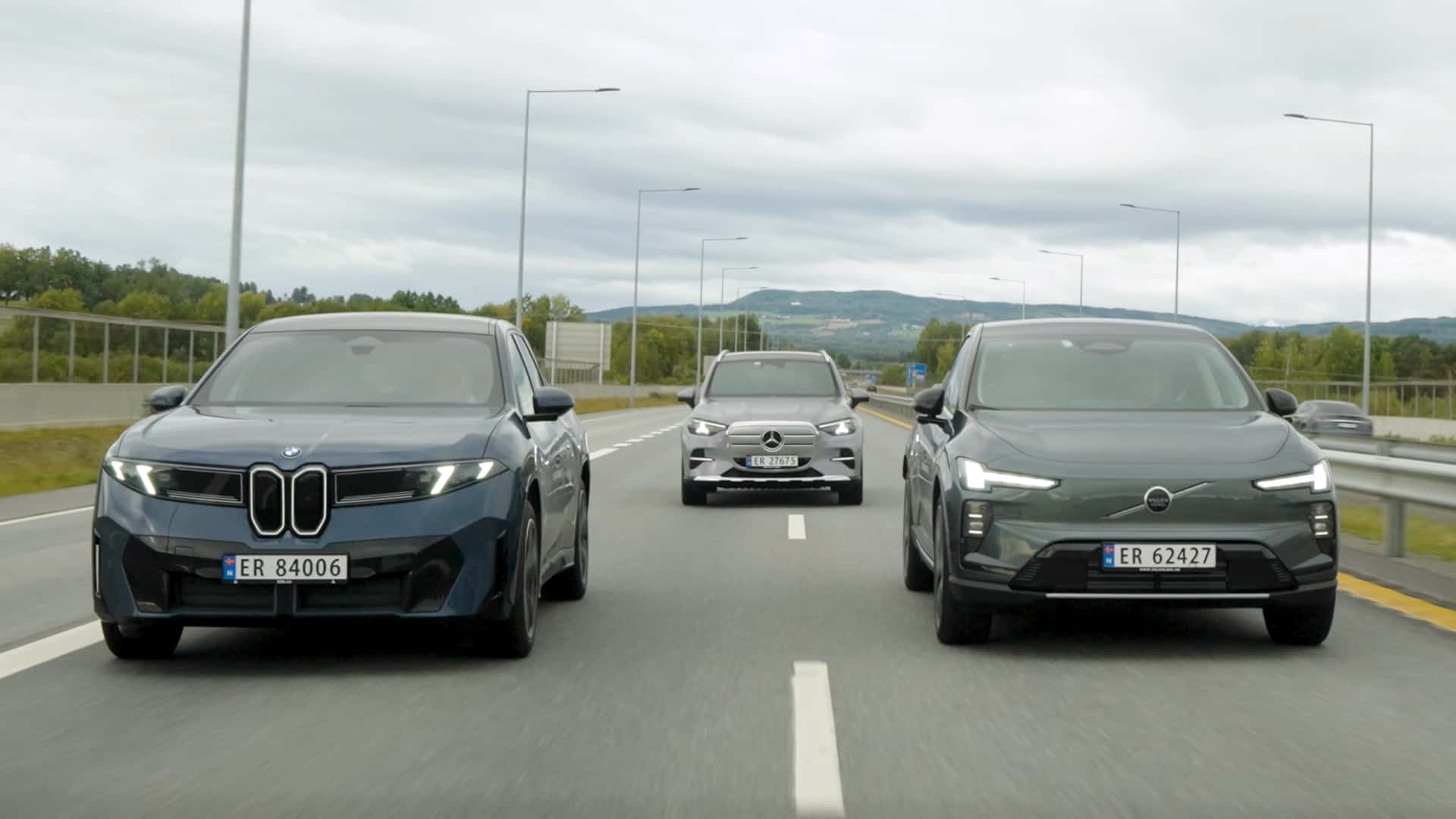
BMW iX3 Outperforms Mercedes GLC and Volvo EX60 in Highway Efficiency Test
In a recent highway test, the BMW iX3 demonstrated superior energy efficiency and range compared to…
1d ago

PHEV Batteries Show Resilience Despite Frequent Cycling
Plug-in hybrid electric vehicles (PHEVs) experience more frequent battery cycling than fully…
1d ago