
Tesla Takes Action Against Unauthorized FSD Hacking Devices
Updated April 9, 2026
3 min read
1 linked source
Tesla has begun to crack down on unauthorized devices that enable Full Self-Driving (FSD) capabilities in regions where the software is not officially approved. The automaker is remotely disabling FSD access for affected vehicles, reverting them to basic Autopilot without prior notice. Reports indicate this action has impacted owners in several countries, including Europe, South Korea, China, and Turkey.
Share this story
Why it matters
- ✓Owners using unauthorized devices may lose access to FSD features permanently.
- ✓This action underscores Tesla's commitment to regulatory compliance and safety.
- ✓Potential buyers should be aware of the risks associated with third-party modifications.
Reporting notes
EV Signal briefs are written to explain the verified change first, then add the context EV buyers and owners need to understand cost, availability, charging access, eligibility, or ownership impact.
If details are still developing, we try to say what is confirmed, what comes from secondary reporting, and what readers should verify before acting.
Source mix
1 linked source
1 media
Reviewed from: Electrek.
Tesla's Crackdown on FSD Hacking Devices
Tesla is taking significant measures to combat the increasing prevalence of unauthorized devices that unlock Full Self-Driving (FSD) capabilities in regions where the software has not received official approval. This move comes as part of the company's ongoing efforts to ensure safety and compliance with local regulations regarding autonomous driving technology.
Remote Disabling of FSD Access
Reports have emerged from various countries, including Europe, South Korea, China, and Turkey, indicating that Tesla has been remotely disabling FSD access for vehicles identified as using these unauthorized CAN bus devices. The automaker's actions involve waking the affected vehicles remotely, detecting the presence of the hacking devices, and subsequently stripping the FSD capabilities entirely. This results in the vehicles reverting to the more basic Autopilot functionality, which lacks the advanced features associated with FSD.
Impact on Vehicle Owners
For many Tesla owners, the loss of FSD access is a significant setback. Owners who have invested in these unauthorized devices may find themselves without the advanced driving features they expected, and in some cases, they may not have been aware that their modifications could lead to such consequences. Tesla's decision to revoke access without warning highlights the risks associated with using third-party modifications that promise enhanced functionality but operate outside of the company's regulatory framework.
Regulatory Compliance and Safety
Tesla's crackdown on unauthorized FSD hacking devices underscores the company's commitment to adhering to safety regulations and ensuring that its technology is used responsibly. By disabling FSD access on vehicles that have been modified, Tesla aims to maintain a standard of safety that aligns with local laws and regulations governing autonomous driving. This action also serves as a warning to potential buyers who may consider using such devices: engaging with unauthorized modifications can lead to significant repercussions, including the loss of features that were part of the vehicle's original purchase.
The Gray Market for FSD Unlocking
The rise of a gray market for FSD unlocking devices reflects a broader trend in the automotive industry, where consumers seek to enhance their vehicles' capabilities through unofficial means. While some owners may view these devices as a way to access advanced features prematurely, Tesla's response illustrates the potential pitfalls of such decisions. The company is not only protecting its intellectual property but also ensuring that its vehicles operate within the intended safety parameters.
Conclusion
As Tesla continues to navigate the complexities of autonomous driving technology and regulatory compliance, its recent actions serve as a reminder to EV buyers and owners about the importance of adhering to official software guidelines. The crackdown on unauthorized FSD hacking devices not only affects current owners but also sets a precedent for how the company will handle similar situations in the future. For those considering modifications to their Tesla vehicles, it is crucial to weigh the risks against the potential benefits, as the consequences of unauthorized changes can be severe and irreversible.
Sources
These are the documents and reports used to build this brief so readers can verify the story directly.
Comments
Log in with
Loading comments…
More in Software

Mercedes Partners with Wayve for Advanced Driver Assistance System
Mercedes-Benz has announced a collaboration with Wayve to develop a driver assistance system…
1d ago
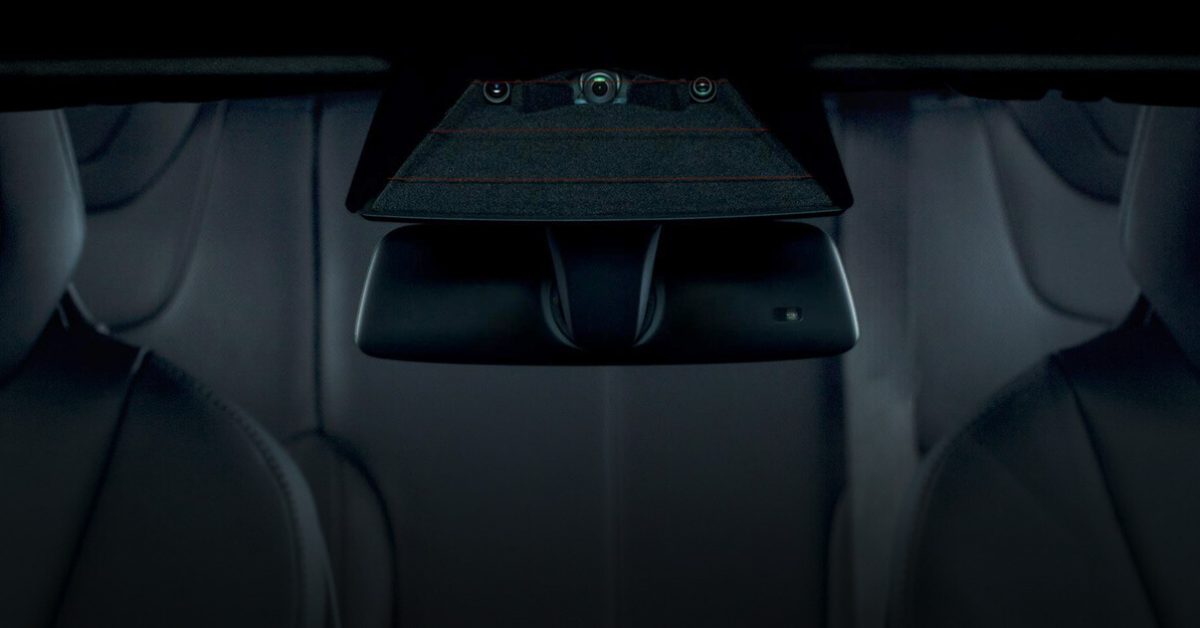
Tesla Full Self-Driving Update Issues False Camera Alerts
Tesla's latest Full Self-Driving update, version 14.3.9, is erroneously alerting owners that their…
1d ago
Mercedes-Benz Partners with Wayve for AI Driver Integration in Future Vehicles
Mercedes-Benz has finalized a production agreement with Wayve, a British self-driving startup, to…
1d ago
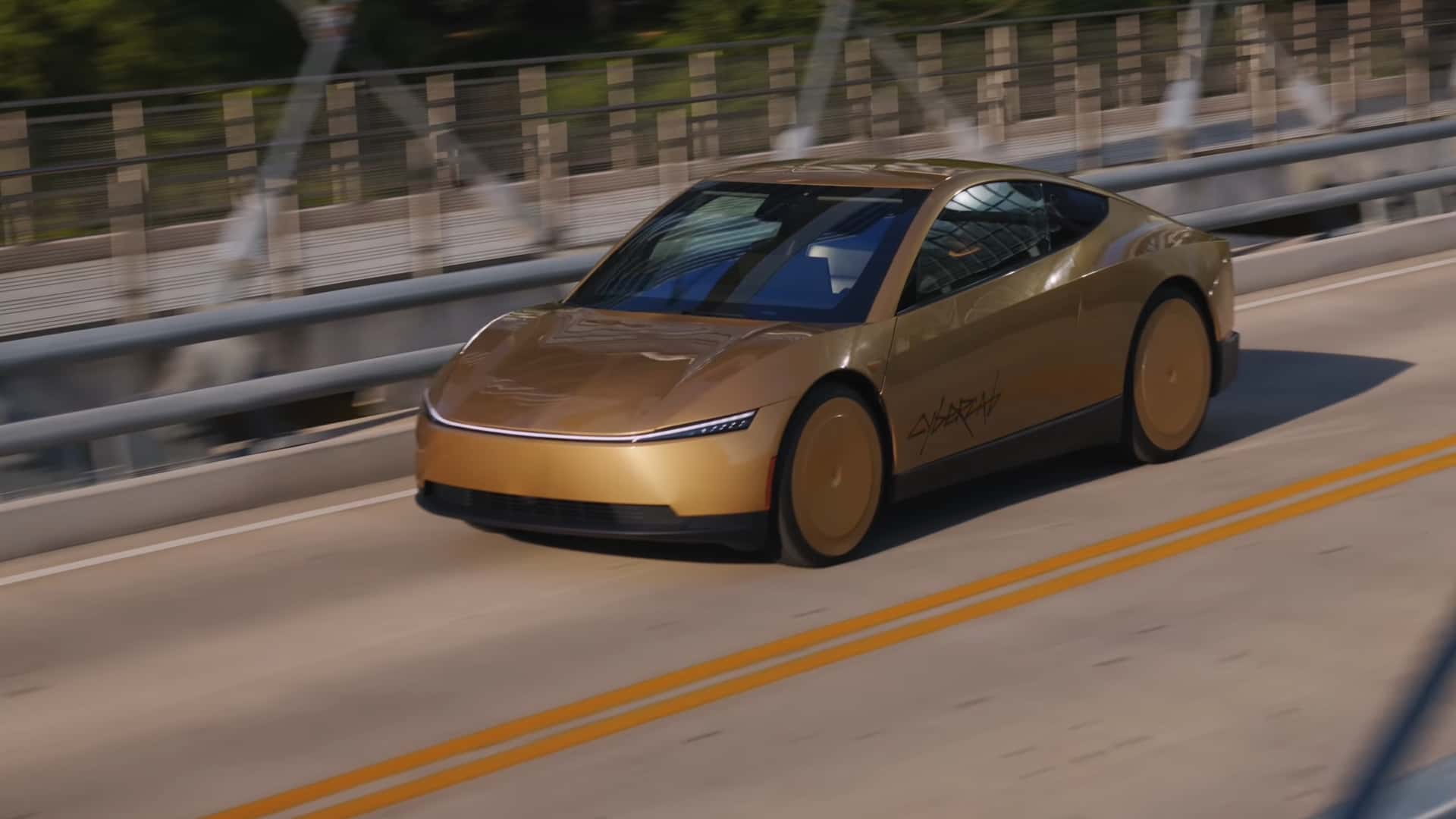
Tesla Cybercab Faces Navigation Issues Similar to Existing Tesla Models
Tesla's new Cybercab robotaxis are reportedly experiencing navigation problems, taking unusual…
2d ago