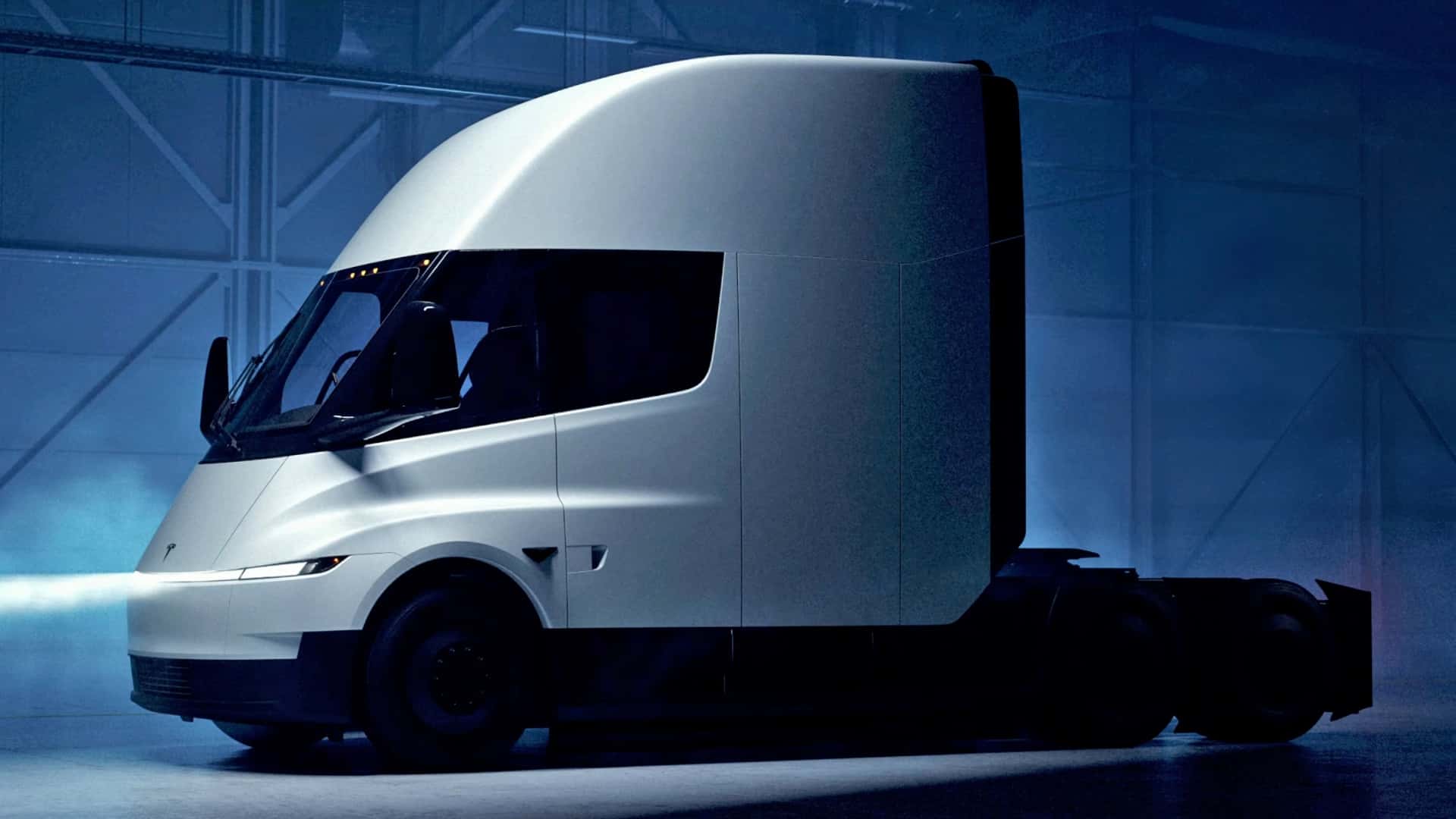
Tesla Semi Enters Mass Production Phase
Updated April 30, 2026
3 min read
1 linked source
Tesla has officially announced that the Semi, its Class 8 electric truck unveiled in 2017, is entering mass production. This development marks a significant milestone for Tesla and the electric commercial vehicle market, although specific details regarding production numbers and delivery timelines remain unclear.
Share this story
Why it matters
- ✓The availability of the Tesla Semi could provide businesses with a sustainable alternative for freight transport, potentially lowering operational costs over time.
- ✓As the electric truck market expands, buyers may see increased competition, which could lead to better pricing and options.
- ✓Charging infrastructure for heavy-duty electric vehicles will need to evolve to support the widespread adoption of the Semi.
Reporting notes
EV Signal briefs are written to explain the verified change first, then add the context EV buyers and owners need to understand cost, availability, charging access, eligibility, or ownership impact.
If details are still developing, we try to say what is confirmed, what comes from secondary reporting, and what readers should verify before acting.
Source mix
1 linked source
1 media
Reviewed from: InsideEVs.
Tesla Semi Enters Mass Production Phase
Tesla has officially announced that the Semi, its Class 8 electric truck unveiled in 2017, is entering mass production. This marks a significant milestone for Tesla and the electric commercial vehicle market, as the company has faced multiple delays since the truck's initial reveal. While the announcement is a positive step forward, details regarding production numbers and delivery timelines remain unclear.
What Changed
The transition of the Tesla Semi into mass production is a critical development for the company, which has been working on this project for several years. Initially unveiled in 2017, the Semi was expected to revolutionize the freight transport industry with its electric powertrain, promising lower operating costs and reduced emissions. However, various challenges have delayed its rollout, pushing back the timeline for mass production.
Why It Matters for Buyers and Owners
The entry of the Tesla Semi into mass production has several implications for potential buyers and current owners of electric vehicles:
- Sustainable Freight Transport: The availability of the Tesla Semi could provide businesses with a sustainable alternative for freight transport, potentially lowering operational costs over time. Electric trucks are generally cheaper to operate than their diesel counterparts, especially as charging infrastructure becomes more widespread.
- Increased Competition: As the electric truck market expands, buyers may see increased competition, which could lead to better pricing and options. This could benefit businesses looking for electric solutions for their logistics needs.
- Charging Infrastructure Development: The widespread adoption of the Semi will necessitate advancements in charging infrastructure for heavy-duty electric vehicles. This could lead to more charging stations being built, making it easier for businesses to transition to electric fleets.
Key Details from Source Material
According to InsideEVs, the Tesla Semi's journey to mass production has been long and complex, with the vehicle initially unveiled in 2017. The announcement of mass production comes after years of anticipation and speculation about the truck's capabilities and market readiness. While Tesla has not disclosed specific production numbers or a timeline for deliveries, the move to mass production is a significant step toward making electric trucking a reality.
What to Watch Next
As Tesla moves forward with mass production of the Semi, several key areas will require close attention:
- Production and Delivery Timelines: Further updates from Tesla regarding the expected production volume and delivery schedules will be crucial for potential buyers.
- Market Response: The reaction from the commercial trucking industry and how quickly businesses adopt the Tesla Semi will provide insights into the future of electric heavy-duty vehicles.
- Infrastructure Development: Monitoring the growth of charging infrastructure tailored for heavy-duty electric trucks will be important as the market evolves.
In conclusion, while the announcement of the Tesla Semi entering mass production is a positive development for the electric vehicle market, many questions remain regarding its impact on buyers and the logistics industry at large. Stakeholders will be watching closely as Tesla navigates this new phase.
Sources
These are the documents and reports used to build this brief so readers can verify the story directly.
- The Tesla Semi Is Finally Going Into Mass Production — InsideEVsMEDIA
Comments
Log in with
Loading comments…
More in Models & Pricing

Renault 8 Gordini Returns as Rear-Wheel Drive EV
Renault has unveiled the return of the iconic Renault 8 Gordini as a rear-wheel drive electric…
Just now

Bentley's First EV, the Torcal, Offers Rapid Charging Capabilities
Bentley has launched its first electric vehicle, the Torcal, a midsize SUV that boasts rapid…
12h ago

Fiat Grande Panda Outperforms Claimed Range in Real-World Test
In a recent highway range test, the Fiat Grande Panda exceeded its officially claimed range,…
12h ago

Bentley Launches Torcal, Its First All-Electric SUV
Bentley has officially unveiled the Torcal, marking its entry into the electric vehicle market.…
12h ago