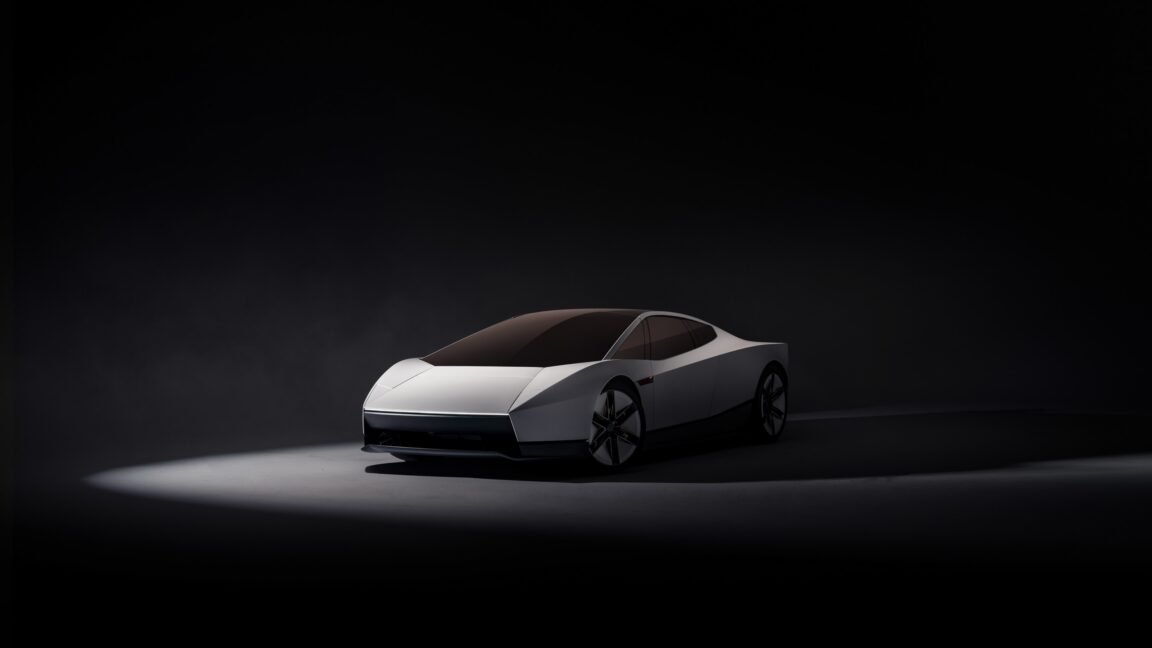
Tesla Revives Roadster Using Compressed Gas Technology

Edited by Volta Kessrin
Models, Pricing & Buying
Updated October 17, 2026
3 min read
1 linked source
Tesla is revisiting its Roadster project by incorporating a 50-year-old stunt technology that utilizes compressed gas to achieve aerial spins. This development is part of Tesla's ongoing efforts to bring the next-generation Roadster to market, although specific details about its performance and release timeline remain unclear. The use of this technology raises questions about its practicality and safety in everyday driving conditions.
Share this story
Why it matters
- ✓The introduction of compressed gas technology may enhance the performance features of the Roadster, potentially appealing to performance-oriented buyers.
- ✓However, the practicality of such technology for everyday use remains uncertain, which could affect buyer confidence.
- ✓If successful, this could set a precedent for future EV models focusing on performance enhancements.
Tesla's Innovative Approach to the Roadster
Tesla is making headlines once again as it attempts to revive its iconic Roadster model, this time by leveraging a 50-year-old stunt technology that employs compressed gas to create aerial spins. This approach marks a significant shift in the company's strategy, as it aims to combine cutting-edge electric vehicle (EV) technology with traditional stunt mechanics to enhance the Roadster's performance.
What Changed
The core change involves Tesla's decision to incorporate compressed gas technology into the design of the new Roadster. This technology, which has been used in various stunt applications for decades, allows for rapid bursts of energy that can make a vehicle spin in the air. While this may sound exciting for performance enthusiasts, it raises questions about how such features will translate to practical, everyday driving.
Why It Matters for Buyers and Owners
-
Performance Appeal: The integration of compressed gas technology could attract buyers interested in high-performance vehicles, potentially enhancing the Roadster's marketability.
-
Practicality Concerns: The use of stunt technology may not align with the expectations of everyday drivers, leading to uncertainty about the vehicle's usability in regular conditions.
-
Future Implications: If this technology proves successful, it could influence the design and performance features of future Tesla models, setting a new standard for performance in the EV market.
Key Details from Source Material
According to Ars Technica, the use of compressed gas for aerial spins is a well-established technique in the stunt industry. Tesla's application of this technology in a consumer vehicle context is relatively novel and could redefine how performance is perceived in electric cars. However, the article notes that the specifics regarding the Roadster's performance metrics, safety features, and release date are still under wraps, leaving potential buyers with more questions than answers.
What to Watch Next
As Tesla continues to develop the new Roadster, it will be crucial to monitor updates regarding its performance capabilities and safety features. Additionally, insights into how this technology will affect the vehicle's pricing and availability will be important for prospective buyers. With the automotive industry increasingly focused on performance and technology, the outcome of Tesla's experiment with compressed gas could have broader implications for the future of electric vehicles.
Sources
These are the documents and reports used to build this brief so readers can verify the story directly.
- Tesla turns to 50-year-old stunt technology as it tries to Roadster again — Ars Technica CarsMEDIA
Reporting notes
EV Signal briefs are written to explain the verified change first, then add the context EV buyers and owners need to understand cost, availability, charging access, eligibility, or ownership impact.
If details are still developing, we try to say what is confirmed, what comes from secondary reporting, and what readers should verify before acting.
Source mix
1 linked source
1 media
Reviewed from: Ars Technica Cars.
Newsletter
Weekly EV signal. No spam.
Comments
Log in with
Loading comments…
More in Models & Pricing
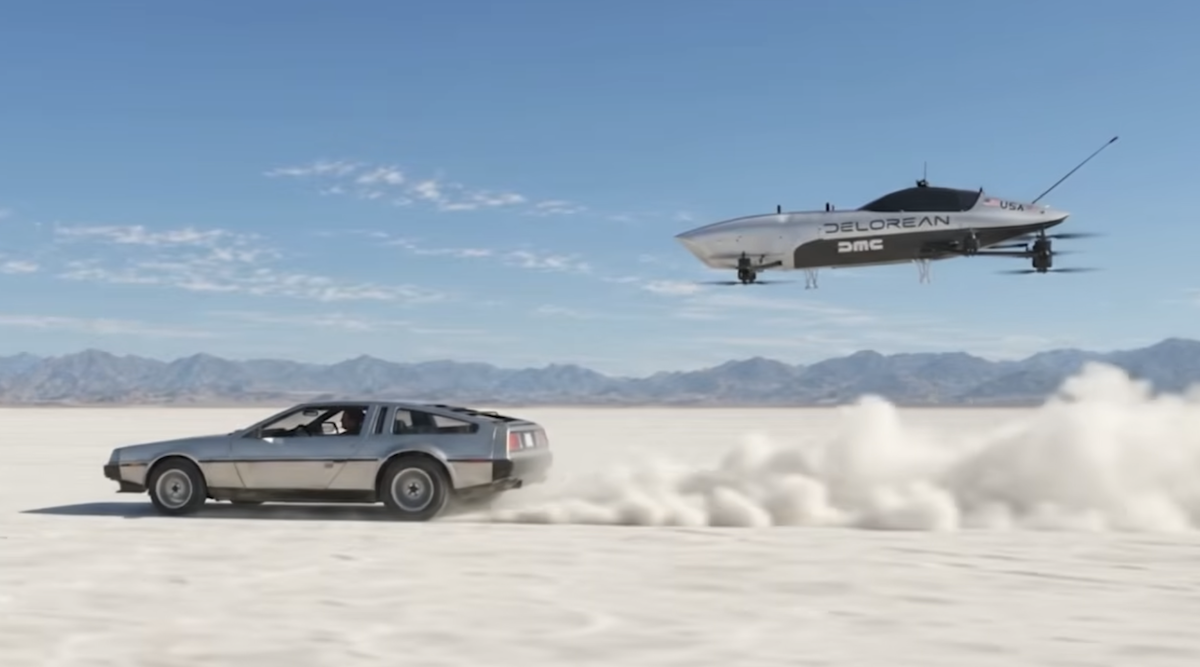
DeLorean Partners with Airspeeder for eVTOL Showcase
The DeLorean Motor Company has announced its involvement with the Airspeeder series, a platform for…
Just now

Porsche Unveils Electric Macan Turbo with 630 Horsepower
Porsche has introduced the 2026 Macan Turbo EV, a two-row crossover featuring 630 horsepower and a…
Just now
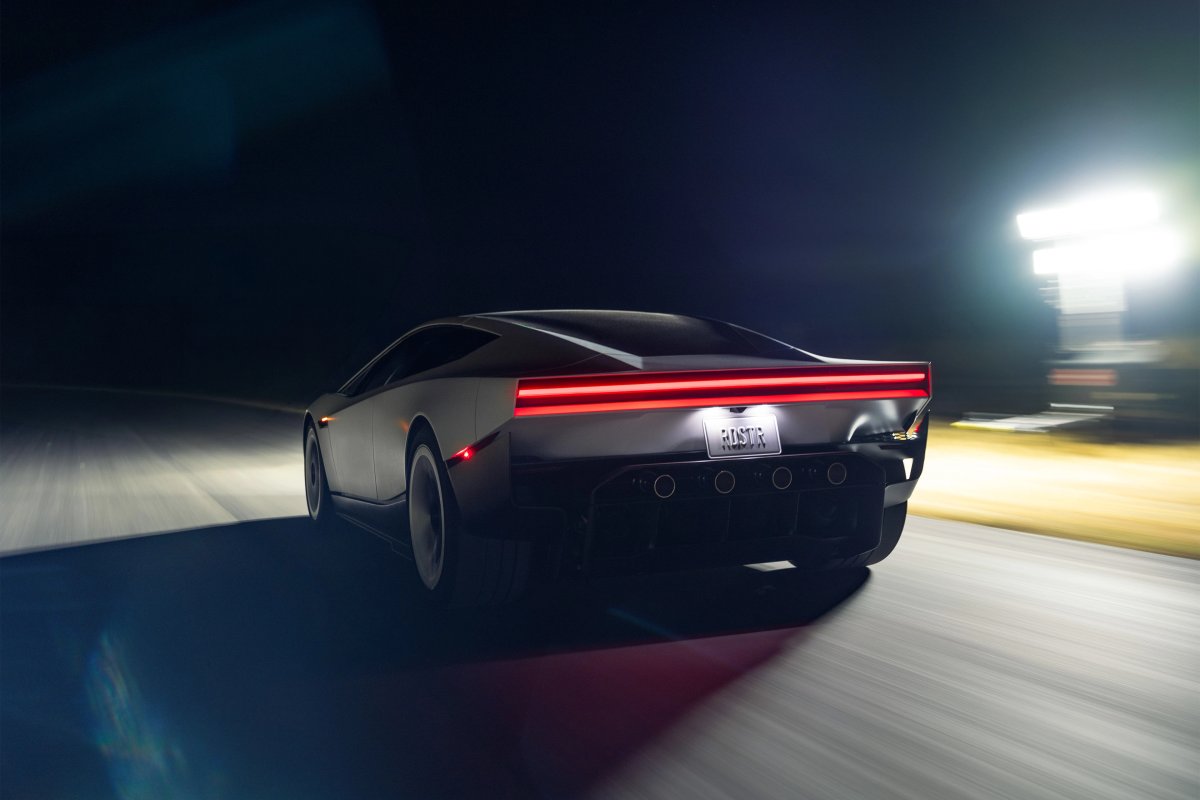
New Tesla Roadster Specs Announced: 1,340 HP and 0-60 in Under 2 Seconds
Tesla has revealed the specifications for the new Roadster, which boasts an impressive 1,340…
Just now
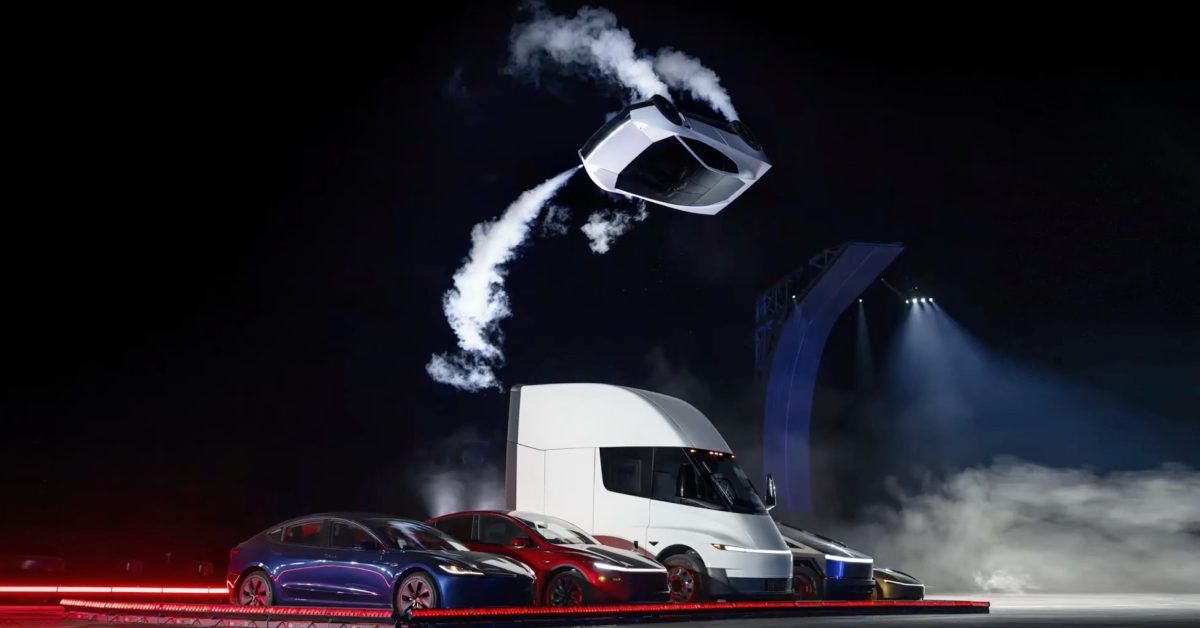
Electrek Podcast Discusses Tesla Roadster Unveiling
In the latest episode of the Electrek Podcast, the hosts focus on the unveiling of the Tesla…
Just now