
Tesla Reports No At-Fault Robotaxi Crashes Amid Shrinking Fleet Activity
Updated June 16, 2026
3 min read
1 linked source
Tesla has reported no at-fault crashes involving its 'Robotaxi' fleet in the latest NHTSA data, with the only incident being a Model Y rear-ended while stationary. However, this positive safety record is attributed to the fact that the robotaxis are barely operating, leading to a reduction in the active fleet over the past year.
Share this story
Why it matters
- ✓The decline in active robotaxis may affect the availability of autonomous ride-hailing services for potential users.
- ✓A shrinking fleet could impact Tesla's long-term plans for autonomous vehicle deployment and the associated market dynamics.
- ✓Safety records are important for consumer confidence, but the lack of operational vehicles raises questions about the viability of the robotaxi program.
Reporting notes
EV Signal briefs are written to explain the verified change first, then add the context EV buyers and owners need to understand cost, availability, charging access, eligibility, or ownership impact.
If details are still developing, we try to say what is confirmed, what comes from secondary reporting, and what readers should verify before acting.
Source mix
1 linked source
1 media
Reviewed from: Electrek.
No At-Fault Crashes Reported
In the latest data released by the National Highway Traffic Safety Administration (NHTSA), Tesla has reported no at-fault crashes involving its 'Robotaxi' fleet. The only incident noted was a Model Y that was rear-ended while stationary, which was clearly the fault of the other driver. This news might suggest a positive safety record for Tesla's autonomous vehicles; however, the underlying reasons for this statistic reveal a more complex situation.
What Changed
The apparent success in avoiding at-fault crashes is overshadowed by a significant decline in the operational status of Tesla's robotaxi fleet. According to Electrek, the active fleet has been shrinking over the past year, which means that fewer robotaxis are on the road. This reduction in activity is a critical factor in the lack of reported crashes, indicating that the vehicles are not running enough to encounter accidents.
Why It Matters for Buyers and Owners
The implications of this development are multifaceted for current and potential Tesla buyers and owners:
- Availability of Services: The reduction in active robotaxis may limit the availability of autonomous ride-hailing services that many consumers were anticipating. This could affect those who were considering Tesla for its future autonomous capabilities.
- Market Dynamics: A shrinking fleet could impact Tesla's long-term strategy for autonomous vehicle deployment, potentially influencing market competition and innovation in the EV sector.
- Consumer Confidence: While the safety record is commendable, the lack of operational vehicles raises concerns about the viability and reliability of the robotaxi program, which could affect consumer trust in Tesla's autonomous technology.
Key Details from Source Material
According to Electrek, Tesla's reported safety record is misleading due to the minimal operation of its robotaxi fleet. The NHTSA data reflects a lack of at-fault incidents, but this is primarily because the vehicles are not being utilized at a significant level. The report highlights that the active fleet is shrinking, which raises questions about the future of Tesla's autonomous vehicle initiatives.
What to Watch Next
As Tesla continues to navigate its robotaxi program, it will be essential to monitor any updates regarding fleet activity and operational status. Future reports from the NHTSA and Tesla will provide insights into whether the company can revitalize its robotaxi fleet and how it plans to address the challenges of deploying autonomous vehicles on a larger scale. Additionally, consumer reactions to the current state of the robotaxi program could influence Tesla's strategy moving forward.
Sources
These are the documents and reports used to build this brief so readers can verify the story directly.
- Tesla ‘Robotaxis’ are not crashing because they are not running — ElectrekMEDIA
Comments
Log in with
Loading comments…
More in Ownership
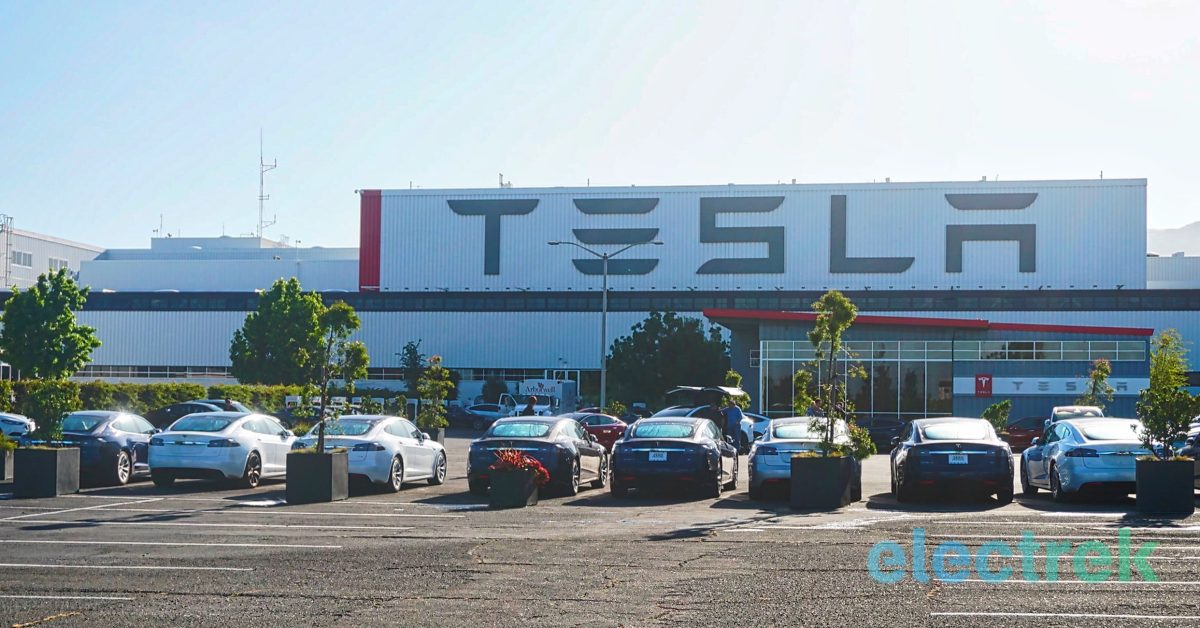
Tesla's Lawyers Misled Witness in Racism Trial
Tesla's ongoing racism trial in California has faced significant setbacks as it was revealed that a…
19h ago
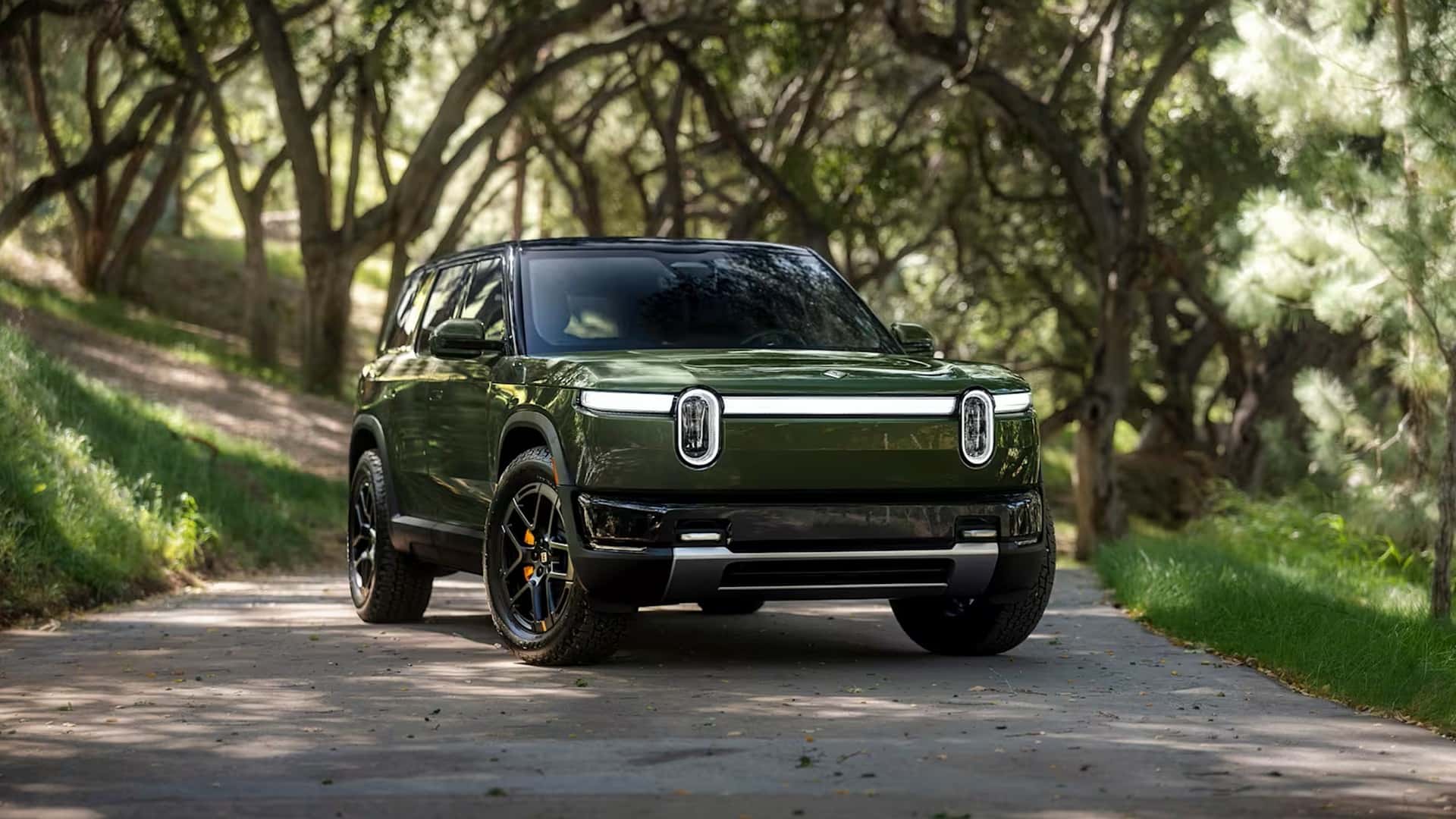
Rivian R2 Faces First Recall Due to Camera Issue
Rivian has issued a recall affecting nearly 99,000 vehicles, including some of its new R2 models,…
19h ago
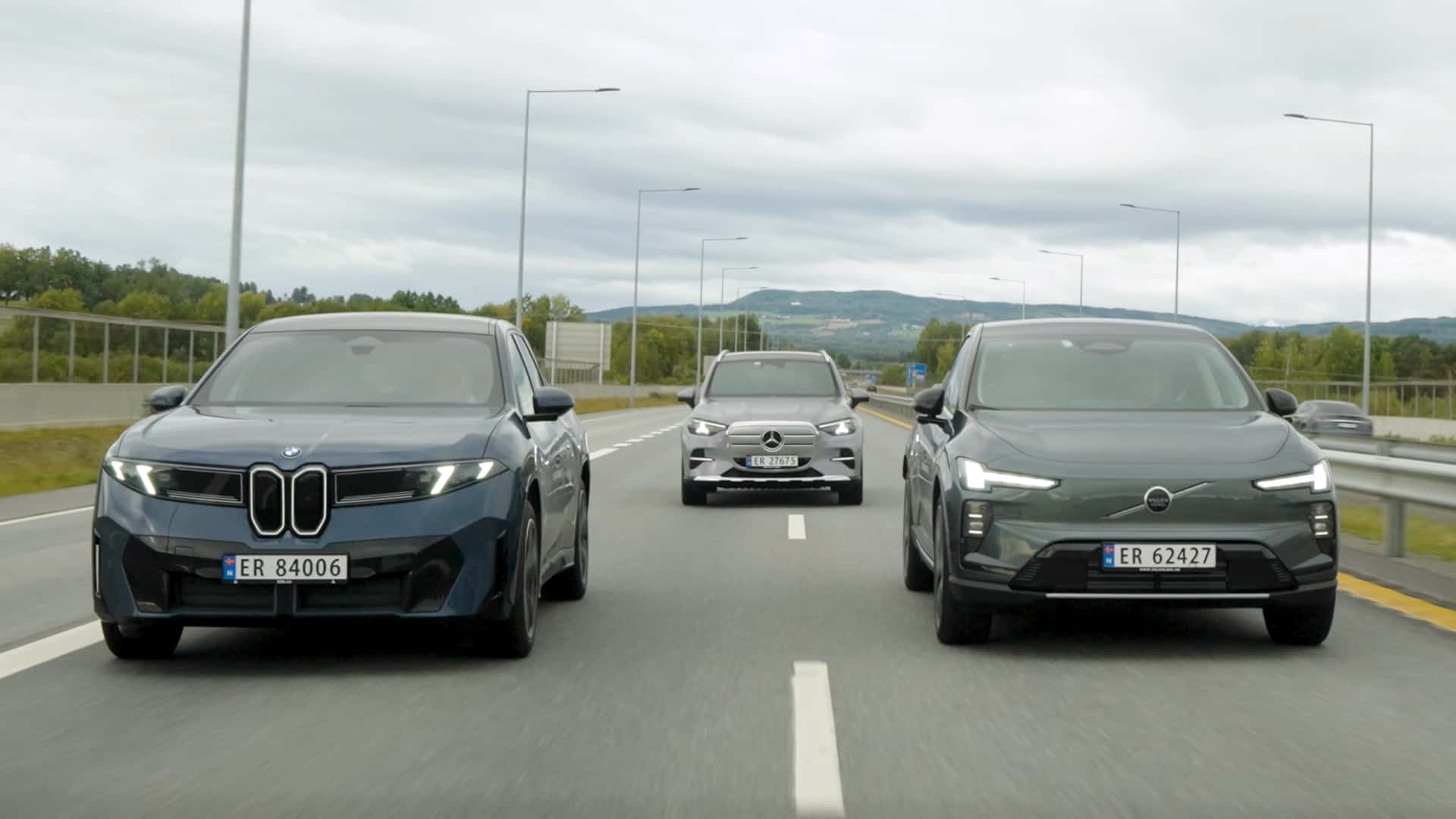
BMW iX3 Outperforms Mercedes GLC and Volvo EX60 in Highway Efficiency Test
In a recent highway test, the BMW iX3 demonstrated superior energy efficiency and range compared to…
1d ago
PHEV Batteries Show Resilience Despite Frequent Cycling
Plug-in hybrid electric vehicles (PHEVs) experience more frequent battery cycling than fully…
1d ago