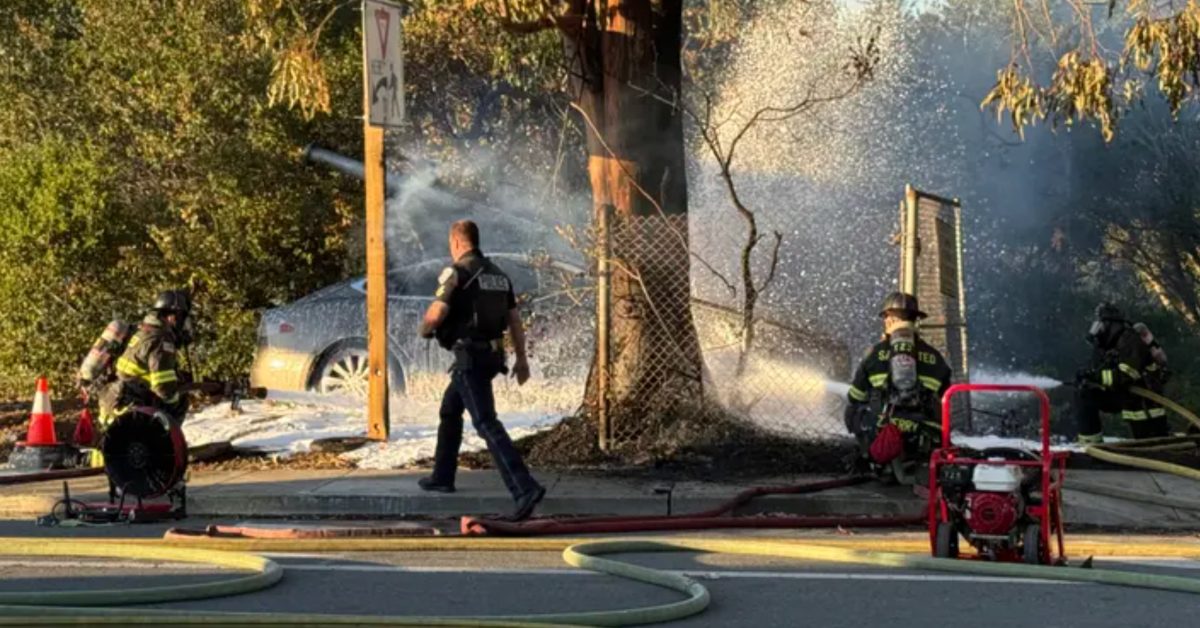
Tesla Reports Four Fatal Crashes In July 2026 Involving Autopilot and Full Self-Driving
Updated September 15, 2026
3 min read
1 linked source
In July 2026, Tesla experienced its highest number of driver-assist crashes, reporting 236 incidents to federal regulators, including four fatal accidents. Each of these fatalities involved the use of Tesla's Autopilot or Full Self-Driving systems, which were not disclosed to the public at the time. This marks a significant concern regarding the safety and transparency of Tesla's driver-assist technologies.
Share this story
Why it matters
- ✓Increased scrutiny on Tesla's Autopilot and Full Self-Driving features may impact buyer confidence and sales.
- ✓Potential regulatory changes could affect the availability and functionality of these driver-assist systems in the future.
- ✓Owners may face higher insurance premiums or challenges in claims related to accidents involving these technologies.
Reporting notes
EV Signal briefs are written to explain the verified change first, then add the context EV buyers and owners need to understand cost, availability, charging access, eligibility, or ownership impact.
If details are still developing, we try to say what is confirmed, what comes from secondary reporting, and what readers should verify before acting.
Source mix
1 linked source
1 media
Reviewed from: Electrek.
Tesla's Record Month for Driver-Assist Crashes
In July 2026, Tesla reported a staggering 236 driver-assist crashes to federal regulators, marking the highest number of incidents recorded in a single month. Among these, four crashes resulted in fatalities, raising serious concerns about the safety of Tesla's Autopilot and Full Self-Driving (FSD) systems. Notably, data from Tesla indicates that Autopilot or FSD was engaged during each of these fatal incidents, yet the public was not informed of this involvement at the time.
What Changed
The significant increase in reported crashes comes amid ongoing scrutiny of Tesla's driver-assist technologies. The four fatalities in July represent a troubling trend, as they highlight potential risks associated with the use of Autopilot and FSD. This spike in incidents has prompted an investigation that matches Tesla’s redacted reports to actual crashes, revealing a pattern of underreporting or lack of transparency regarding the system's involvement in accidents.
Why It Matters for Buyers and Owners
The implications of these findings are multifaceted for current and prospective Tesla buyers and owners:
- Buyer Confidence: The revelation of multiple fatal crashes involving Tesla's driver-assist systems may lead to diminished consumer confidence in the safety of these technologies, potentially affecting sales.
- Regulatory Impact: Increased scrutiny from regulators could result in changes to how Tesla markets and operates its driver-assist features, which may affect their availability and functionality.
- Insurance Considerations: Owners may see a rise in insurance premiums or face complications in claims related to accidents involving Autopilot or FSD, as insurers reassess the risks associated with these technologies.
Key Details from Source Material
According to a report by Electrek, July 2026 was a record month for Tesla in terms of driver-assist crashes, with 236 incidents filed with federal regulators. This figure surpasses any previous monthly totals, indicating a significant escalation in reported accidents. The four fatal crashes, all involving engaged Autopilot or FSD systems, were not disclosed to the public at the time of the incidents, raising questions about transparency and accountability in Tesla’s reporting practices.
What to Watch Next
As investigations continue and more information becomes available, it will be crucial to monitor how Tesla responds to this situation. Key areas to watch include:
- Regulatory Actions: Potential changes in regulations governing driver-assist technologies and how they are reported.
- Public Response: Consumer sentiment towards Tesla’s safety features and how it may influence future sales.
- Insurance Industry Reactions: How insurers adapt their policies and pricing in light of these incidents.
In conclusion, the record number of crashes reported by Tesla in July 2026 raises significant safety concerns and highlights the need for greater transparency regarding the use of Autopilot and Full Self-Driving systems. As the situation develops, it will be important for buyers and owners to stay informed about potential changes that could affect their vehicles and insurance.
Sources
These are the documents and reports used to build this brief so readers can verify the story directly.
Comments
Log in with
Loading comments…
More in Software
Mercedes Partners with Wayve for Advanced Driver Assistance System
Mercedes-Benz has announced a collaboration with Wayve to develop a driver assistance system…
1d ago
Tesla Full Self-Driving Update Issues False Camera Alerts
Tesla's latest Full Self-Driving update, version 14.3.9, is erroneously alerting owners that their…
1d ago
Mercedes-Benz Partners with Wayve for AI Driver Integration in Future Vehicles
Mercedes-Benz has finalized a production agreement with Wayve, a British self-driving startup, to…
1d ago
Tesla Cybercab Faces Navigation Issues Similar to Existing Tesla Models
Tesla's new Cybercab robotaxis are reportedly experiencing navigation problems, taking unusual…
2d ago