
Tesla Plans Microfactories to Retrofit HW3 Vehicles for FSD Capability
Updated April 23, 2026
3 min read
1 linked source
Tesla has announced plans to build microfactories in urban areas to retrofit millions of HW3 vehicles that were sold with the promise of Full Self-Driving (FSD) capability. However, these vehicles currently lack the necessary hardware to achieve full autonomy. The feasibility and timeline of this initiative remain uncertain.
Share this story
Why it matters
- ✓Owners of HW3 Tesla vehicles may soon have access to upgraded hardware that could enable FSD features, enhancing their vehicle's capabilities.
- ✓The retrofitting process may involve significant costs, which could impact Tesla's profitability and potentially lead to increased vehicle prices.
- ✓The initiative reflects Tesla's commitment to fulfilling its promises regarding FSD, but the execution and implications for existing owners are still unclear.
Reporting notes
EV Signal briefs are written to explain the verified change first, then add the context EV buyers and owners need to understand cost, availability, charging access, eligibility, or ownership impact.
If details are still developing, we try to say what is confirmed, what comes from secondary reporting, and what readers should verify before acting.
Source mix
1 linked source
1 media
Reviewed from: Electrek.
Tesla's Retrofit Initiative for HW3 Vehicles
Tesla has announced plans to establish microfactories in urban locations aimed at retrofitting millions of HW3 vehicles. These vehicles were sold with the expectation of Full Self-Driving (FSD) capabilities, yet they currently lack the necessary hardware to deliver on that promise. This initiative raises questions about the feasibility and financial implications for both the company and its customers.
What Changed
Tesla CEO Elon Musk proposed the creation of microfactories specifically designed to upgrade the computers and cameras in HW3 vehicles. This move is intended to enhance the vehicles' capabilities and potentially enable FSD features that many owners have been eagerly awaiting. However, the announcement also highlights the significant costs involved in such retrofitting, which could strain Tesla's already tight profit margins.
Why It Matters for Buyers and Owners
- Enhanced Vehicle Capabilities: If successful, this retrofitting initiative could allow existing HW3 owners to access advanced FSD features, significantly improving their driving experience.
- Cost Implications: The retrofitting process may incur high costs, which could affect Tesla's pricing strategies and overall profitability. This could lead to increased prices for new vehicles or retrofitting services.
- Commitment to FSD: This initiative underscores Tesla's commitment to delivering on its promises regarding FSD, which has been a major selling point for the company. However, the uncertainty surrounding the execution of this plan leaves many questions unanswered for current owners.
Key Details from Source Material
According to Electrek, there are millions of Tesla vehicles currently on the road that were sold with the expectation of full autonomy. However, these vehicles do not possess the hardware necessary to achieve this level of automation. Musk's proposal to build microfactories represents a significant shift in Tesla's strategy to fulfill its FSD promises. The announcement raises concerns about the financial viability of such an initiative, especially given Tesla's current profitability challenges.
What to Watch Next
As Tesla moves forward with this plan, several key factors will need to be monitored:
- Feasibility and Timeline: The actual implementation of these microfactories and the timeline for retrofitting HW3 vehicles remain uncertain. Updates from Tesla will be crucial in understanding how this initiative will unfold.
- Cost Structure: Details regarding the costs associated with retrofitting and whether these will be passed on to consumers will be important for current and prospective Tesla owners.
- Regulatory and Technical Challenges: Any regulatory hurdles or technical challenges that arise during the retrofitting process could impact the timeline and feasibility of the project.
In conclusion, while Tesla's plan to retrofit HW3 vehicles could enhance the capabilities of millions of cars on the road, the financial implications and execution of this initiative remain to be seen. Owners and potential buyers should stay informed as more details emerge.
Sources
These are the documents and reports used to build this brief so readers can verify the story directly.
Comments
Log in with
Loading comments…
More in Ownership
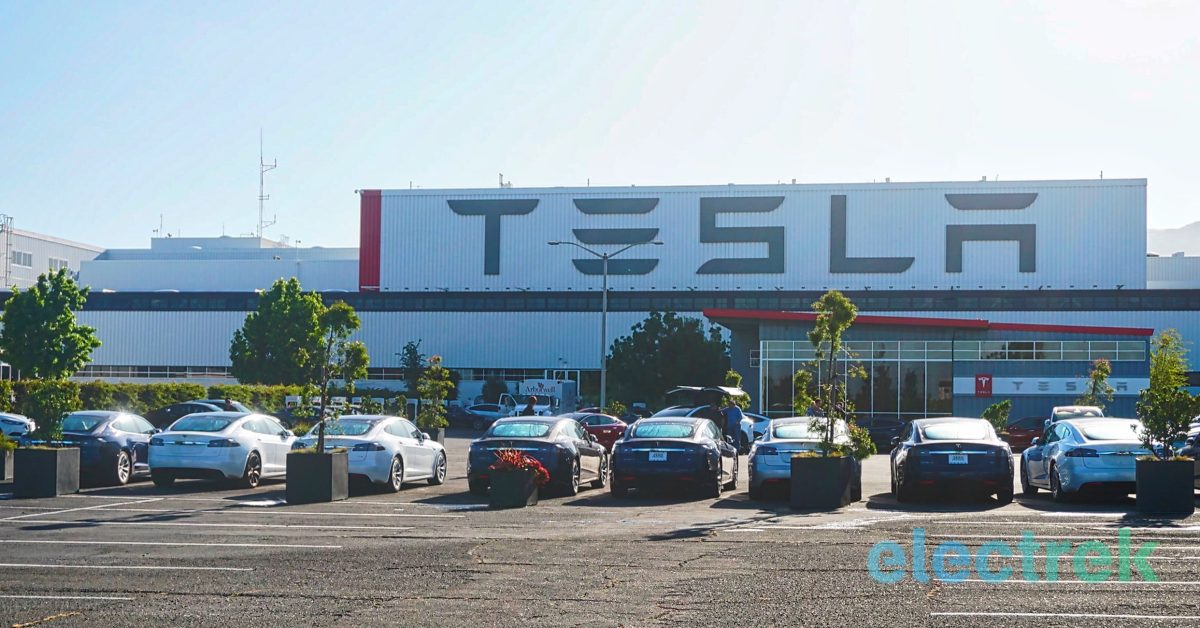
Tesla's Lawyers Misled Witness in Racism Trial
Tesla's ongoing racism trial in California has faced significant setbacks as it was revealed that a…
18h ago
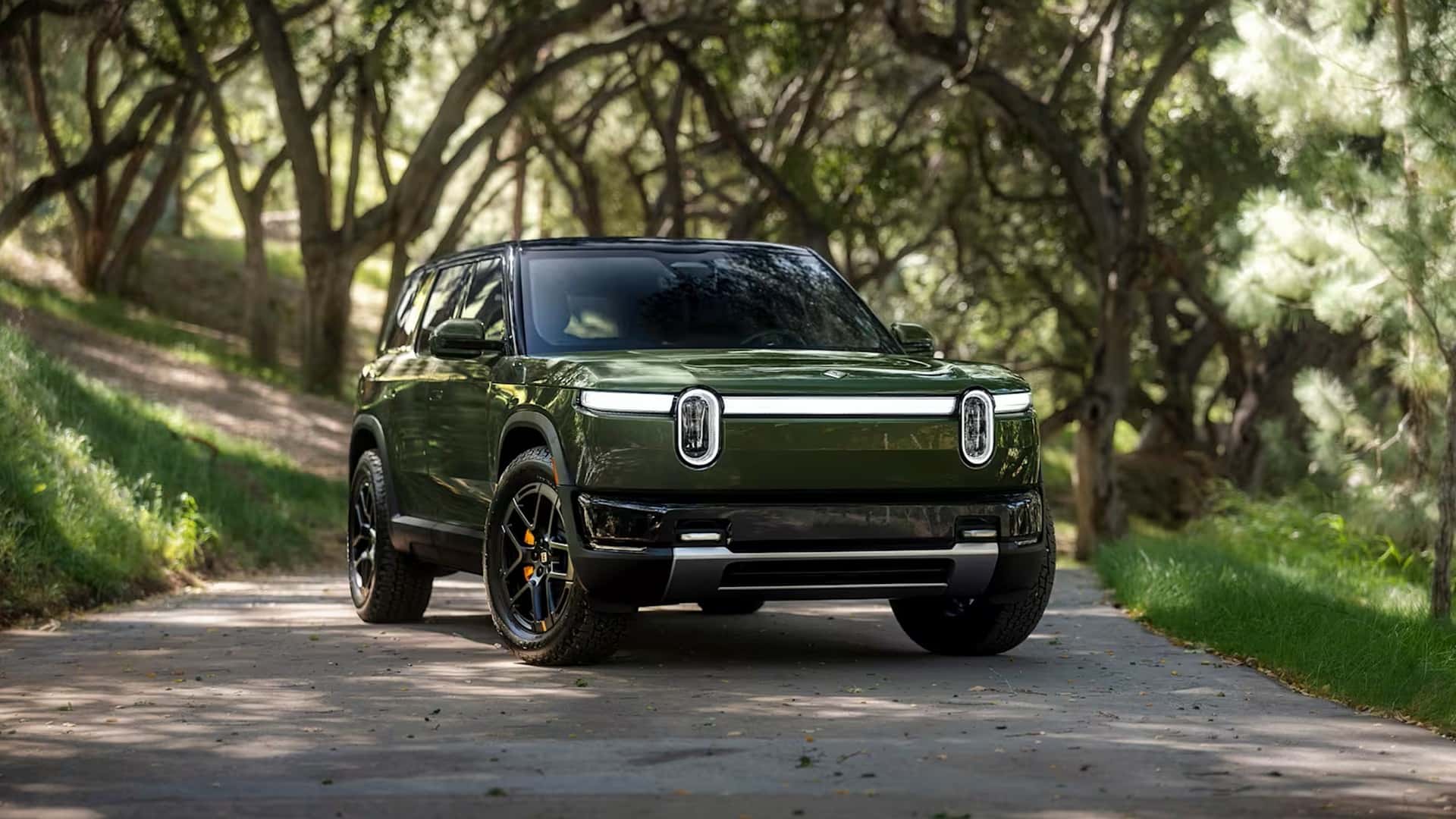
Rivian R2 Faces First Recall Due to Camera Issue
Rivian has issued a recall affecting nearly 99,000 vehicles, including some of its new R2 models,…
18h ago
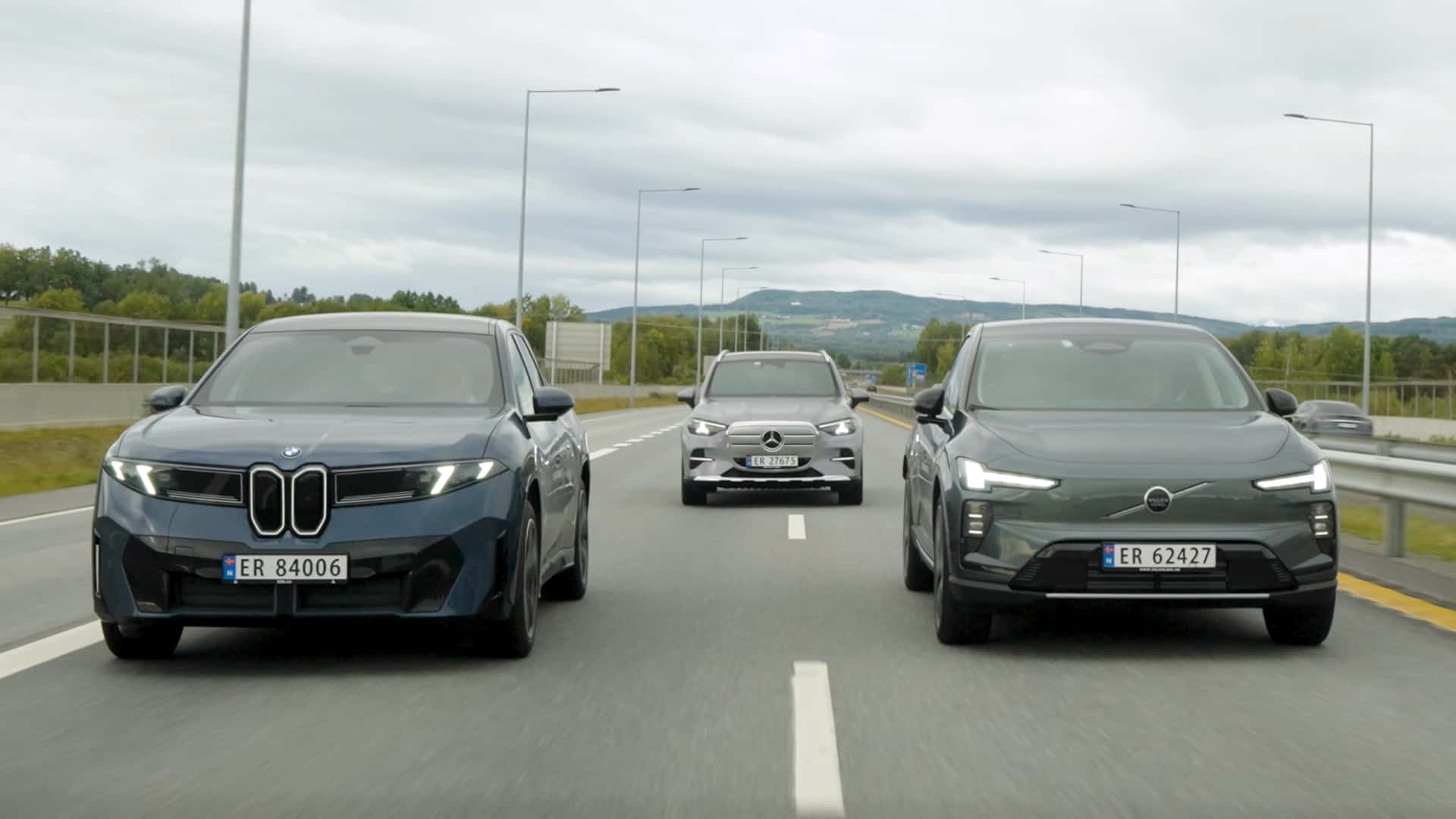
BMW iX3 Outperforms Mercedes GLC and Volvo EX60 in Highway Efficiency Test
In a recent highway test, the BMW iX3 demonstrated superior energy efficiency and range compared to…
1d ago
PHEV Batteries Show Resilience Despite Frequent Cycling
Plug-in hybrid electric vehicles (PHEVs) experience more frequent battery cycling than fully…
1d ago