Tesla Model Y Battery Degradation Stabilizes After Initial Drop
A recent battery health test of the Tesla Model Y revealed that after an initial sharp decline in performance, the degradation of its lithium iron phosphate (LFP) battery has significantly slowed. This finding is particularly relevant for Model Y owners and potential buyers considering the LFP battery option. However, the long-term implications of this stabilization remain uncertain.

Key takeaways
30-second read- 1Owners of the Model Y with LFP batteries may experience improved battery longevity, potentially reducing ownership costs.
- 2Potential buyers can have more confidence in the performance of the LFP battery variant, which may influence purchasing decisions.
- 3Understanding battery health trends can help users optimize charging habits and manage expectations regarding battery life.
Confirmed
No official source linked yet
Reported
Secondary reporting: InsideEVs
Verify yourself
Eligibility, local prices and dates for your car, state or utility
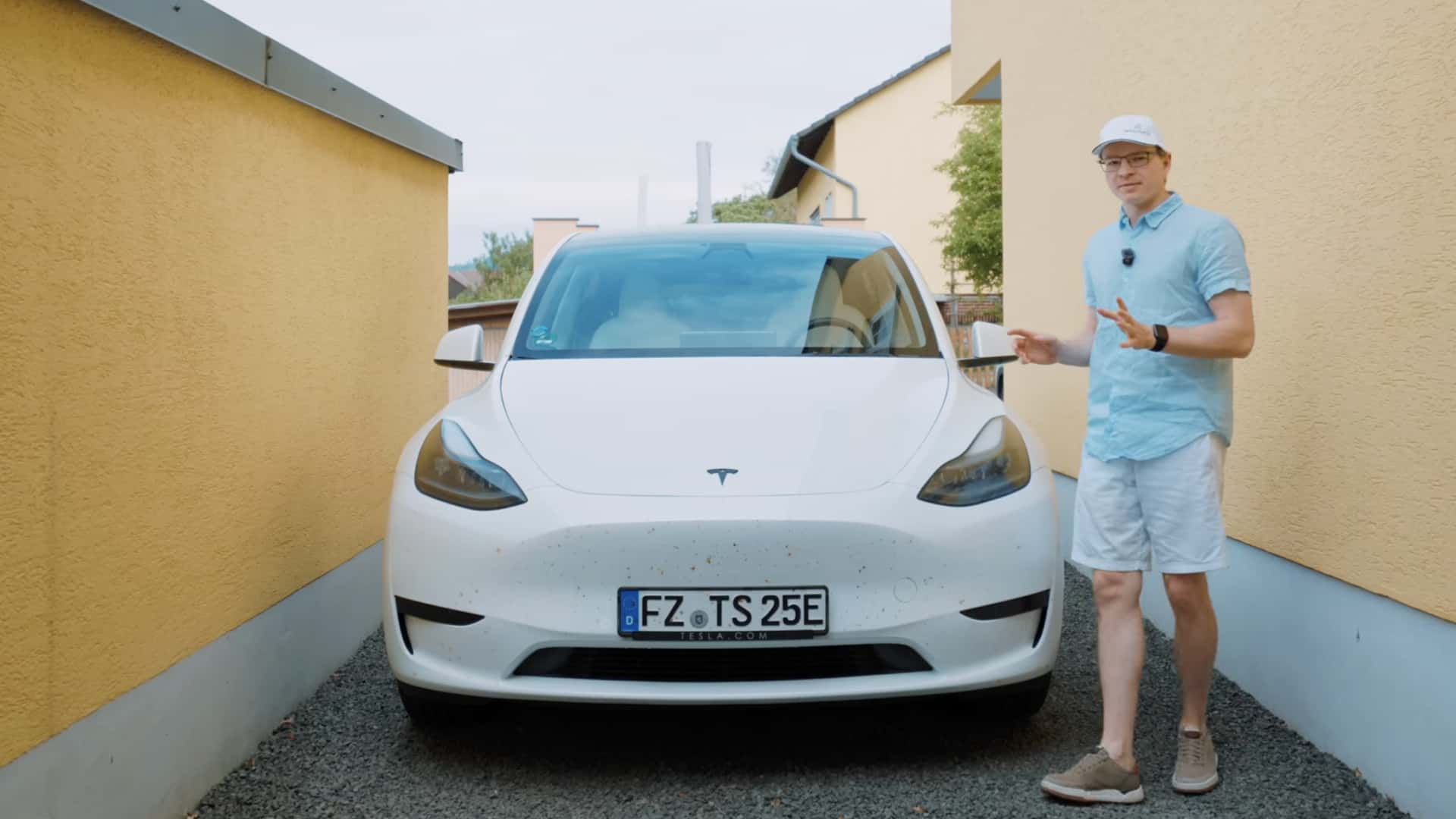
Tesla Model Y Battery Degradation Stabilizes After Initial Drop
A recent battery health test of the Tesla Model Y has shown that after an initial sharp decline in battery performance, the degradation of its lithium iron phosphate (LFP) battery has significantly slowed. This finding is crucial for current owners and prospective buyers of the Model Y, particularly those considering the LFP battery variant.
What Changed
Initially, the battery health of the Tesla Model Y experienced a notable drop, raising concerns about the longevity of the LFP battery pack. However, recent tests indicate that this degradation has leveled off, suggesting a stabilization in battery performance. This change is particularly relevant for those who frequently use fast charging, as the LFP batteries are designed to handle such charging methods.
Why It Matters for Buyers and Owners
The stabilization of battery degradation has several implications for Tesla Model Y owners and potential buyers:
- Improved Longevity: Owners of the Model Y with LFP batteries may benefit from a longer-lasting battery, which could lead to reduced ownership costs over time.
- Informed Purchasing Decisions: Potential buyers can approach the LFP battery option with more confidence, knowing that the initial degradation issues may not persist long-term.
- Optimized Charging Practices: Understanding the battery health trends can help users adjust their charging habits to maximize battery life and performance.
Key Details from Source Material
According to the report from InsideEVs, the initial sharp drop in battery health raised alarms among users and experts alike. However, the recent tests suggest that the degradation has almost stopped, indicating that the battery may have settled into a more stable performance phase. This is particularly significant for those who rely on fast charging, as LFP batteries are often used in scenarios where rapid charging is common.
While the test results are promising, it is important to note that the long-term performance of the battery remains to be fully understood. Factors such as charging habits, environmental conditions, and overall vehicle usage will continue to play a role in battery health.
What to Watch Next
As this situation develops, it will be essential to monitor further tests and reports regarding the long-term performance of the Tesla Model Y's LFP battery. Owners and potential buyers should stay informed about any updates from Tesla or independent testing organizations that may provide additional insights into battery health and performance trends. This ongoing evaluation will help users make informed decisions about their electric vehicle ownership experience.
Buying guide: Best OBD2 Scanner for EVs (2026): Checking Battery Health on a Used EV
Sources
1 media- [1]A Tesla Model Y Battery Test Looked Bad. Then The Degradation Almost StoppedMedia
InsideEVs · insideevs.com · published Jun 20
Newsletter
Weekly EV signal. No spam.
Comments
Log in with
Loading comments…