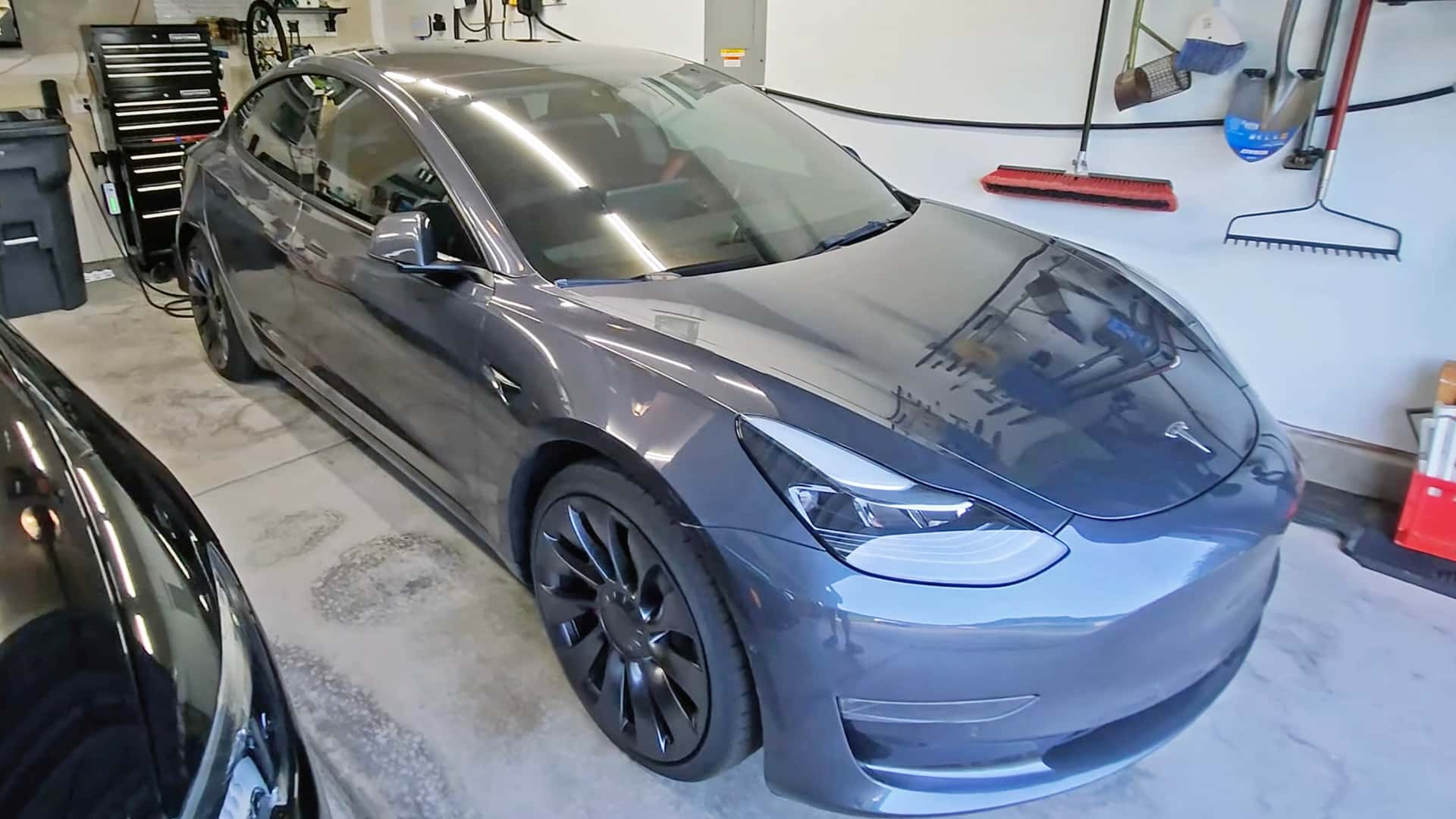
Tesla Model 3 Battery Health Assessment Shows Discrepancy

Edited by Ionna Brakeley
Charging & Ownership
Updated June 30, 2026
3 min read
1 linked source
A four-year-old Tesla Model 3 Performance has been assessed with 88% battery health in Tesla's own testing, which is lower than the owner's expectations but aligns closely with a prediction from a third-party app. This discrepancy raises questions about battery health assessments and their implications for EV owners.
Share this story
Why it matters
- ✓Battery health impacts resale value and overall ownership costs for EV owners.
- ✓Discrepancies in battery health assessments may affect buyers' confidence in used EV purchases.
- ✓Understanding battery degradation is crucial for planning charging needs and vehicle performance.
Tesla Model 3 Battery Health Assessment Shows Discrepancy
A recent evaluation of a four-year-old Tesla Model 3 Performance revealed that the vehicle scored 88% battery health in Tesla's own testing. This figure is lower than what the owner anticipated but is consistent with predictions made by a third-party app. This situation highlights the complexities surrounding battery health assessments and their implications for electric vehicle (EV) owners.
What Changed
The key change here is the battery health rating of the Tesla Model 3 Performance. While Tesla's internal testing indicated an 88% health rating, the owner had expected a higher score. This rating is significant as it reflects the battery's capacity and longevity, which are critical factors for EV performance and resale value.
Why It Matters for Buyers/Owners
Understanding battery health is essential for current and prospective EV owners for several reasons:
- Resale Value: Battery health directly influences the resale value of an EV. A lower health rating could lead to a decrease in the vehicle's market price, impacting owners looking to sell or trade in their cars.
- Confidence in Purchases: For potential buyers of used EVs, discrepancies in battery health assessments can create uncertainty. Buyers may be wary of investing in a vehicle if they cannot trust the reported battery health.
- Charging and Performance: Battery degradation affects the vehicle's range and charging needs. Owners may need to adjust their charging habits or consider battery replacement if health declines significantly.
Key Details from Source Material
According to the report from InsideEVs, the discrepancy between the owner's expectations and the actual battery health rating underscores the importance of accurate battery assessments. The third-party app's prediction was close to Tesla's evaluation, suggesting that while third-party tools can provide useful insights, they may not always align perfectly with manufacturer assessments.
This situation serves as a reminder for EV owners to regularly monitor their battery health and consider multiple sources of information when evaluating their vehicle's performance.
What to Watch Next
As this situation develops, it will be important to monitor how Tesla and other manufacturers address battery health assessments. Future updates on battery technology and health monitoring tools could provide clearer insights for owners and buyers alike. Additionally, any changes in Tesla's policies regarding battery assessments or warranty coverage for battery degradation will be crucial for current and prospective EV owners to follow.
Sources
These are the documents and reports used to build this brief so readers can verify the story directly.
Reporting notes
EV Signal briefs are written to explain the verified change first, then add the context EV buyers and owners need to understand cost, availability, charging access, eligibility, or ownership impact.
If details are still developing, we try to say what is confirmed, what comes from secondary reporting, and what readers should verify before acting.
Source mix
1 linked source
1 media
Reviewed from: InsideEVs.
Comments
Log in with
Loading comments…
More in Ownership
Trump Administration Lowers Fuel Economy Standards to 2014 Levels
The Trump administration has reduced the Corporate Average Fuel Economy (CAFE) standards from 40…
1h ago

Trump Administration's Fuel Economy Rollback Could Increase Gasoline Consumption
The Trump administration has revised fuel economy standards, which may lead to billions more…
1h ago

New York City Proposes Over 20 New E-Bike Laws, Including Ban on Class 3 E-Bikes
New York City lawmakers are set to review a comprehensive package of over 20 new laws targeting…
1h ago

US Clean Energy Jobs Decline for First Time Since Pandemic
In 2025, the US clean energy sector experienced a loss of 36,949 jobs, marking the first decline in…
1h ago