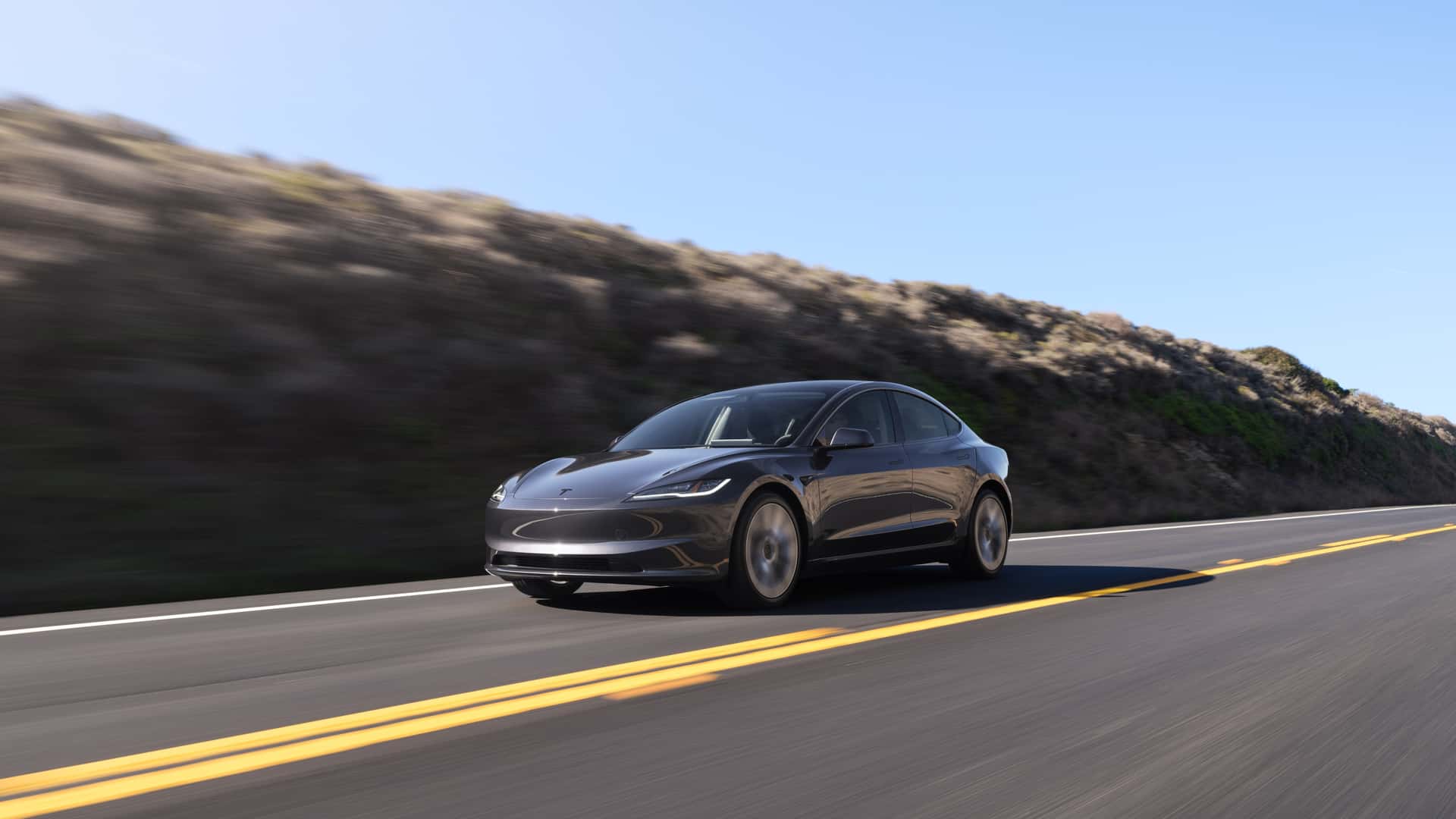
Tesla Model 3 and Model Y Range Loss After 100,000 Miles
Updated September 4, 2026
3 min read
1 linked source
A recent study indicates that Tesla's Model 3 and Model Y experience significant battery degradation after nearly 100,000 miles, with Tesla ranking near the bottom in battery longevity among half a million EVs tested. This information is crucial for current and prospective Tesla owners, as it highlights potential range issues as vehicles age. However, the study does not provide specific figures on the exact range loss for these models.
Share this story
Why it matters
- ✓Potential range anxiety for owners as battery health declines over time.
- ✓Implications for resale value and overall ownership costs.
- ✓Consideration for buyers evaluating long-term reliability and performance.
Reporting notes
EV Signal briefs are written to explain the verified change first, then add the context EV buyers and owners need to understand cost, availability, charging access, eligibility, or ownership impact.
If details are still developing, we try to say what is confirmed, what comes from secondary reporting, and what readers should verify before acting.
Source mix
1 linked source
1 media
Reviewed from: InsideEVs.
Overview of Battery Longevity in Tesla Models
A recent study has revealed that the Tesla Model 3 and Model Y lose a notable amount of battery range after reaching nearly 100,000 miles. This finding places Tesla near the bottom of the rankings for battery longevity among half a million electric vehicles (EVs) evaluated. Understanding the implications of this range loss is essential for both current owners and potential buyers of these popular models.
What Changed?
The study conducted by InsideEVs examined the battery health of various EVs, highlighting that Tesla's offerings, specifically the Model 3 and Model Y, showed significant degradation in their battery performance after extensive use. While the exact percentage of range loss was not disclosed in the report, the implications are clear: as these vehicles age, their ability to hold a charge diminishes, potentially leading to reduced driving range and increased concerns for owners.
Why It Matters for Buyers and Owners
- Range Anxiety: As the battery health declines, owners may experience range anxiety, especially on longer trips where charging opportunities may be limited. This could affect the day-to-day usability of the vehicle.
- Resale Value: The degradation of battery performance can impact the resale value of the Model 3 and Model Y, making them less attractive to potential buyers who are concerned about long-term battery health.
- Ownership Costs: With reduced range, owners may find themselves needing to charge more frequently, which could lead to higher ownership costs over time, particularly if charging infrastructure is not readily available in their area.
Key Details from the Source Material
According to the study reported by InsideEVs, Tesla's battery longevity performance was notably lower than that of many competitors in the EV market. This raises questions about the long-term reliability of Tesla's battery technology, especially for those who plan to keep their vehicles for extended periods. The study's findings are based on a comprehensive analysis of half a million EVs, providing a broad perspective on battery health across various manufacturers.
While Tesla has made significant strides in EV technology, this report suggests that potential buyers should consider battery longevity as a critical factor in their purchasing decision. The lack of specific data on the exact range loss for the Model 3 and Model Y leaves some uncertainty, but the general trend indicates that owners may face challenges as their vehicles accumulate mileage.
What to Watch Next
As the EV market continues to evolve, it will be important to monitor how Tesla responds to these findings regarding battery health. Future updates from Tesla regarding battery technology improvements or warranty adjustments could provide further insights into how the company plans to address these concerns. Additionally, ongoing studies and consumer feedback will be crucial in understanding the long-term performance of Tesla's vehicles and their impact on ownership experience.
In conclusion, while the Tesla Model 3 and Model Y remain popular choices in the EV market, potential buyers and current owners should be aware of the implications of battery degradation as their vehicles approach the 100,000-mile mark. Staying informed about battery health and performance will be key to making educated decisions regarding EV ownership.
Sources
These are the documents and reports used to build this brief so readers can verify the story directly.
Comments
Log in with
Loading comments…
More in Ownership
Tesla's Lawyers Misled Witness in Racism Trial
Tesla's ongoing racism trial in California has faced significant setbacks as it was revealed that a…
18h ago
Rivian R2 Faces First Recall Due to Camera Issue
Rivian has issued a recall affecting nearly 99,000 vehicles, including some of its new R2 models,…
18h ago
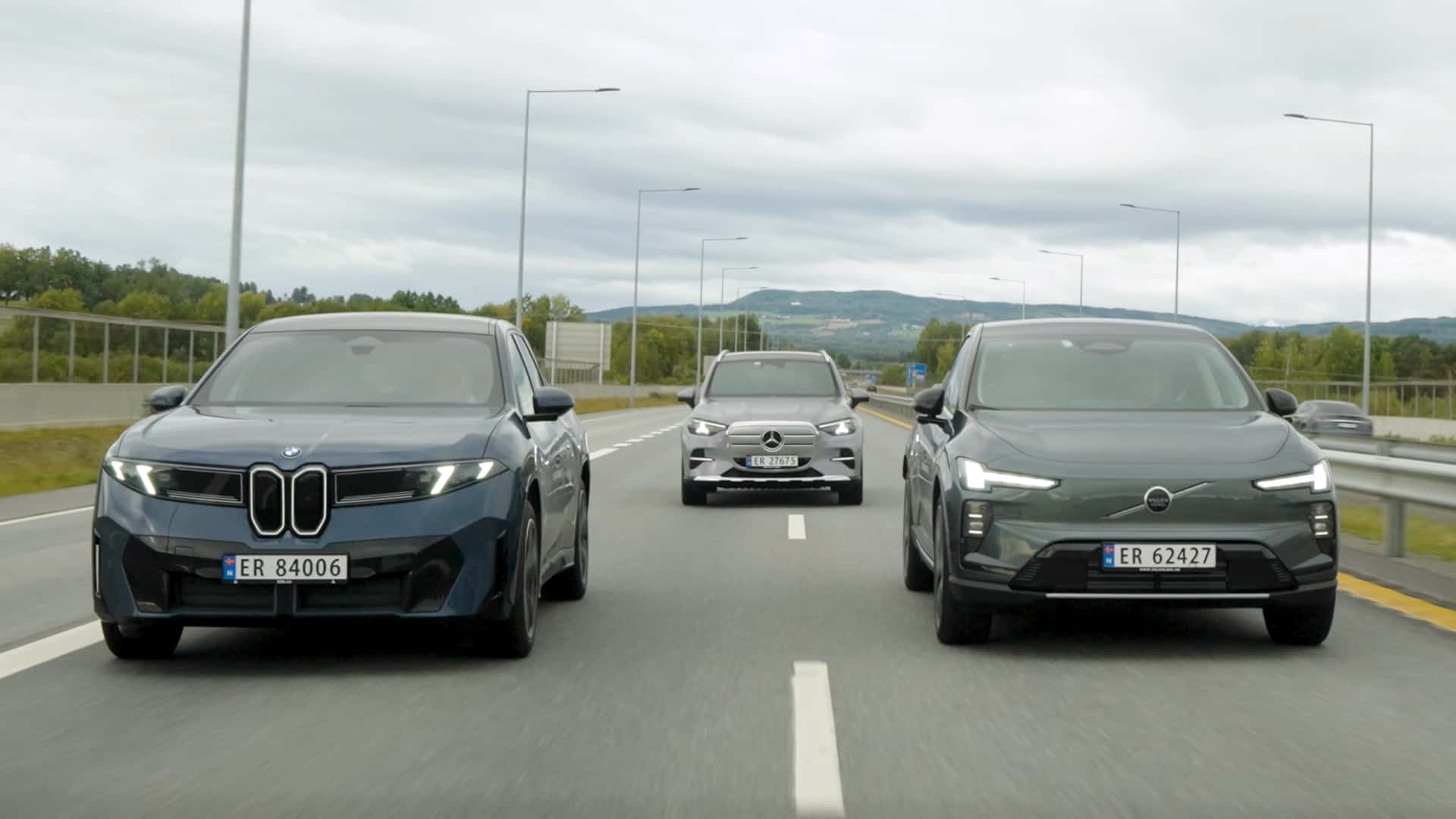
BMW iX3 Outperforms Mercedes GLC and Volvo EX60 in Highway Efficiency Test
In a recent highway test, the BMW iX3 demonstrated superior energy efficiency and range compared to…
1d ago
PHEV Batteries Show Resilience Despite Frequent Cycling
Plug-in hybrid electric vehicles (PHEVs) experience more frequent battery cycling than fully…
1d ago