Tesla Lowers FSD Speed Margin to 10% in Europe
Tesla has updated its Full Self-Driving (FSD) system in Europe, reducing the speed margin from 50% to 10% over the speed limit. This change affects drivers using Tesla Assisted Driving, which was previously known as FSD Supervised. The update aligns with regulations set by the Netherlands' RDW and Germany.

Key takeaways
30-second read- 1The reduced speed margin may limit the flexibility and convenience of Tesla's assisted driving features for European users.
- 2This change could affect the overall driving experience and perceived value of the FSD system in Europe.
- 3Drivers may need to adjust their driving habits to comply with the new speed limits set by the system.
Confirmed
No official source linked yet
Reported
Secondary reporting: Electrek
Verify yourself
Eligibility, local prices and dates for your car, state or utility
Tesla's FSD Speed Margin Update
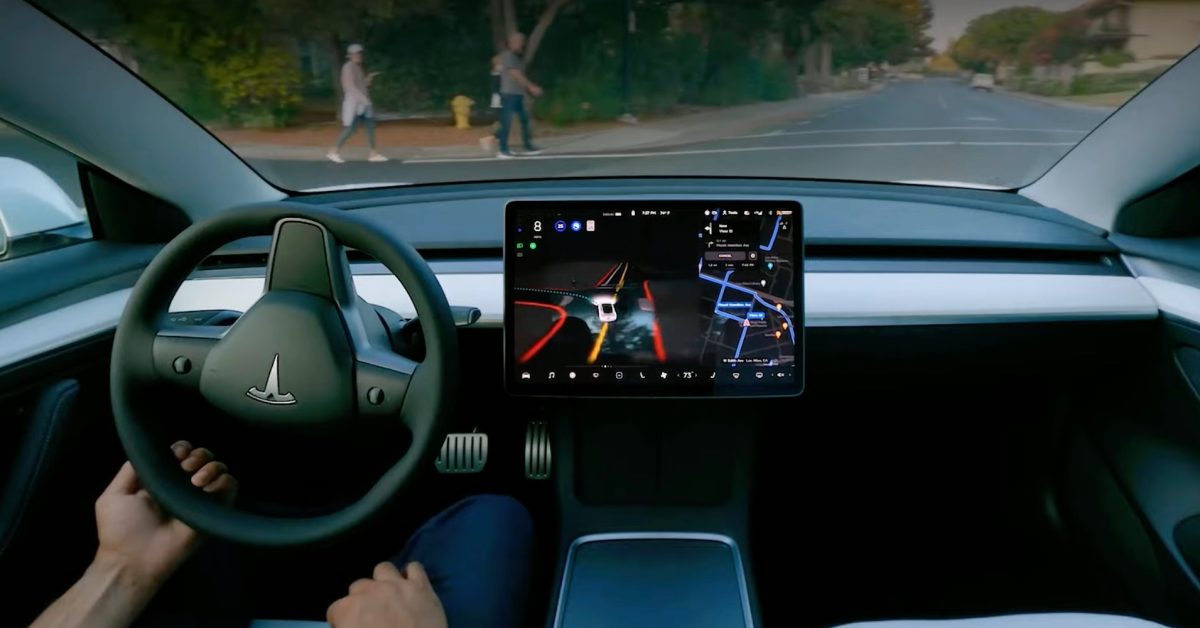
Tesla has officially reduced the speed margin for its Full Self-Driving (FSD) system in Europe from 50% to 10% over the speed limit. This change was confirmed by the Netherlands' RDW, which oversees vehicle regulations in the country, and follows the system's approval earlier this year.
What Changed
The primary change is the capping of the speed margin for Tesla's FSD system, now officially referred to as Tesla Assisted Driving. Previously, drivers could set the system to operate at speeds up to 50% above the legal limit, but this has now been restricted to just 10%. This update comes just weeks before a potential vote by EU member states on the broader approval of the system across the European Union.
Why It Matters for Buyers/Owners
This reduction in speed margin is significant for Tesla owners and potential buyers in Europe. Here are a few key points to consider:
- Driving Flexibility: The new limit may restrict how drivers utilize the assisted driving features, potentially leading to a less convenient driving experience.
- Regulatory Compliance: The change aligns with stricter regulations set by Germany, indicating that Tesla is adapting to the evolving legal landscape in Europe.
- User Experience: Drivers may need to recalibrate their expectations and driving habits, as the system will now enforce a stricter adherence to speed limits.
Key Details from Source Material
According to Electrek, the update was confirmed by the RDW, which had previously approved the FSD system in April. The timing of this change is crucial, as it coincides with ongoing discussions among EU member states regarding the approval of the system. The RDW's decision reflects a broader trend of increasing regulatory scrutiny on autonomous and assisted driving technologies in Europe.
What to Watch Next
As the situation develops, it will be important to monitor how other EU member states respond to this update and whether similar changes will be implemented across the bloc. Additionally, Tesla's ongoing adjustments to its FSD system may continue to evolve in response to regulatory pressures and user feedback. Keep an eye on announcements from Tesla and European regulatory bodies for further updates.
Sources
1 media- [1]Tesla cuts FSD’s speed margin from 50% to 10% over the limit in EuropeMedia
Electrek · electrek.co · published Nov 3
Newsletter
Weekly EV signal. No spam.
Comments
Log in with
Loading comments…