
Tesla Loses Major Automakers from EU CO2 Emissions Pool
Updated March 27, 2026
3 min read
Tesla has lost Toyota and Stellantis as members of its European CO2 emissions pool for 2026, according to recent filings with the EU. This withdrawal is significant as both automakers were among the largest contributors to the pool, which is essential for Tesla's regulatory credit revenue. The loss comes at a time when Tesla's revenue from regulatory credits has already been declining globally.
Share this story
Why it matters
- ✓The withdrawal of Toyota and Stellantis could lead to reduced regulatory credit revenue for Tesla, potentially impacting its pricing strategies and overall financial health.
- ✓As regulatory credits are often passed down to consumers in the form of incentives, this change could affect the cost of Tesla vehicles and the availability of incentives for EV buyers.
- ✓With shrinking revenue from regulatory credits, Tesla may need to adjust its business model, which could influence the future of EV offerings and pricing.
Reporting notes
EV Signal briefs are written to explain the verified change first, then add the context EV buyers and owners need to understand cost, availability, charging access, eligibility, or ownership impact.
If details are still developing, we try to say what is confirmed, what comes from secondary reporting, and what readers should verify before acting.
Source mix
Source links were not attached to this brief. We still expect the article to stay factual and reviewable before publication.
Tesla Loses Major Automakers from EU CO2 Emissions Pool
In a significant development for the electric vehicle (EV) market, Tesla has announced that both Toyota and Stellantis will be withdrawing from its European CO2 emissions pool for the year 2026. This decision, revealed through recent filings with the European Union (EU), marks a notable shift in the landscape of regulatory credits that have been crucial for Tesla's financial performance.
What is the CO2 Emissions Pool?
The CO2 emissions pool is a regulatory mechanism established by the EU to help automakers meet stringent emissions targets. Companies can pool their emissions together, allowing those with lower emissions to offset the emissions of those with higher levels. This system has been particularly beneficial for Tesla, which has been able to generate substantial revenue from selling its excess emissions credits to other automakers.
Impact of Toyota and Stellantis Withdrawal
Toyota and Stellantis were among the largest contributors to Tesla's emissions pool, and their exit represents a significant loss of revenue for the company. This move comes at a time when Tesla's regulatory credit revenue has already been on the decline, particularly after the U.S. eliminated its own emissions credit market last year. The combination of these factors raises concerns about Tesla's ability to sustain its financial performance in the coming years.
Financial Implications for Tesla
The withdrawal of these major automakers could lead to a further decrease in Tesla's regulatory credit revenue, which has been a vital source of income for the company. As Tesla has relied heavily on these credits to bolster its profits, the loss of such significant contributors could necessitate adjustments in its pricing strategies and overall business model.
Effects on EV Buyers and Owners
For EV buyers and owners, the implications of this withdrawal could be multifaceted:
- Potential Price Adjustments: As Tesla's revenue from regulatory credits diminishes, the company may need to increase vehicle prices to maintain profitability, which could affect affordability for potential buyers.
- Incentives and Credits: Regulatory credits often translate into incentives for consumers. With fewer credits available, the incentives that help make EVs more affordable could diminish, impacting the overall attractiveness of Tesla vehicles.
- Market Dynamics: The exit of Toyota and Stellantis from Tesla's emissions pool may shift the competitive landscape in the EV market. Other automakers may seek alternative partnerships or strategies to meet their emissions targets, potentially affecting the availability and pricing of EVs across the board.
Conclusion
The withdrawal of Toyota and Stellantis from Tesla's EU CO2 emissions pool is a significant event that could have far-reaching implications for the company and the broader EV market. As Tesla navigates this new landscape, both current and prospective EV buyers should remain informed about potential changes in pricing and incentives that may arise as a result of this shift. The evolving regulatory environment continues to shape the future of electric mobility, and stakeholders must adapt to these changes to ensure sustainable growth in the industry.
Comments
Log in with
Loading comments…
More in Ownership
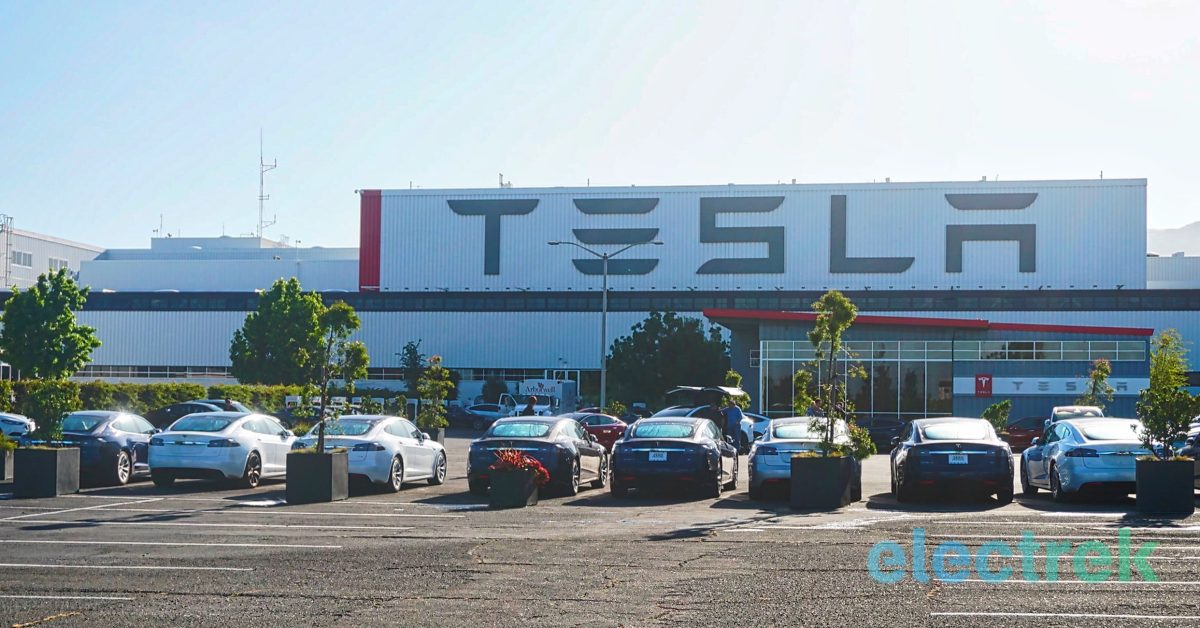
Tesla's Lawyers Misled Witness in Racism Trial
Tesla's ongoing racism trial in California has faced significant setbacks as it was revealed that a…
18h ago

Rivian R2 Faces First Recall Due to Camera Issue
Rivian has issued a recall affecting nearly 99,000 vehicles, including some of its new R2 models,…
18h ago
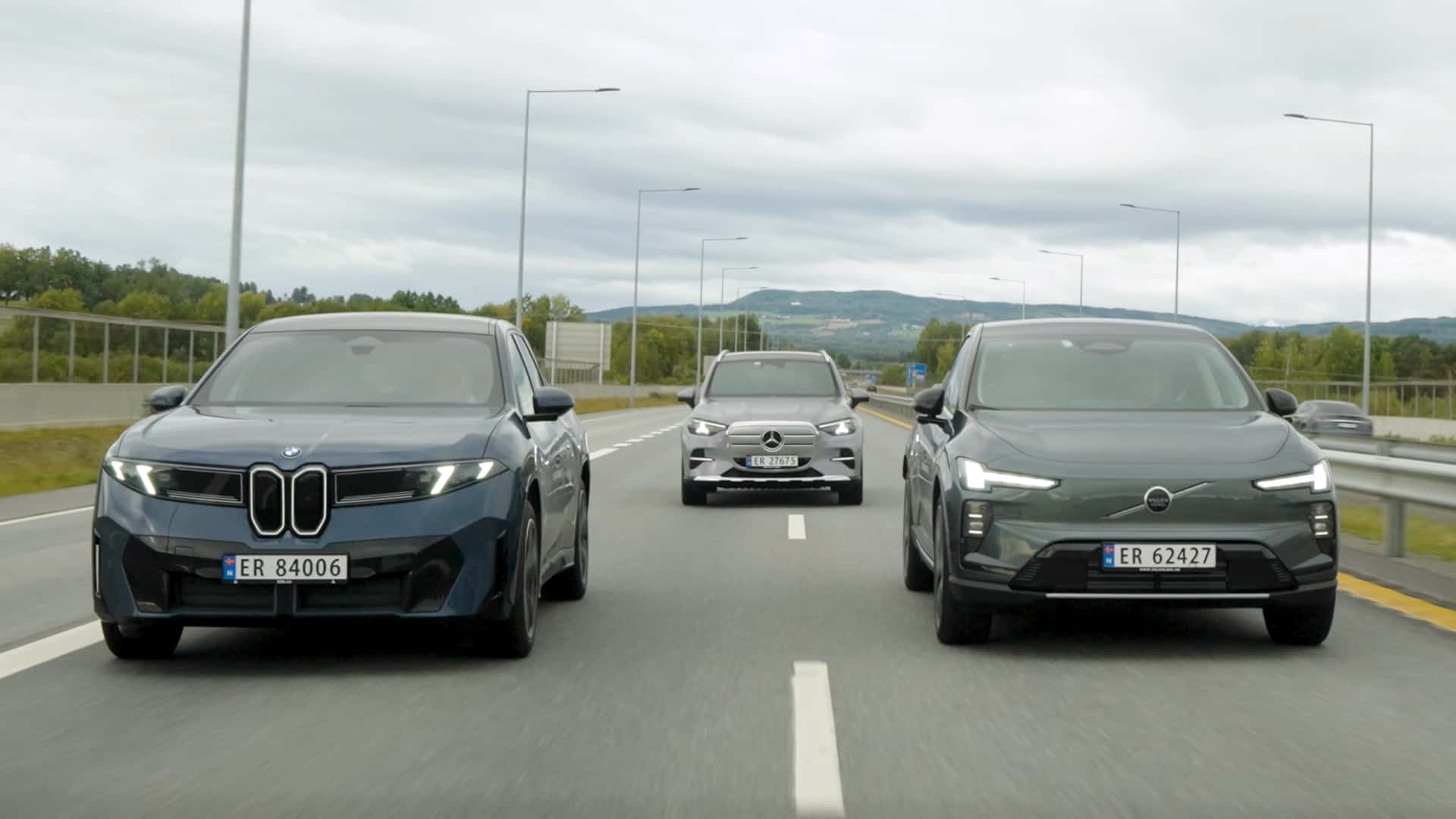
BMW iX3 Outperforms Mercedes GLC and Volvo EX60 in Highway Efficiency Test
In a recent highway test, the BMW iX3 demonstrated superior energy efficiency and range compared to…
1d ago
PHEV Batteries Show Resilience Despite Frequent Cycling
Plug-in hybrid electric vehicles (PHEVs) experience more frequent battery cycling than fully…
1d ago