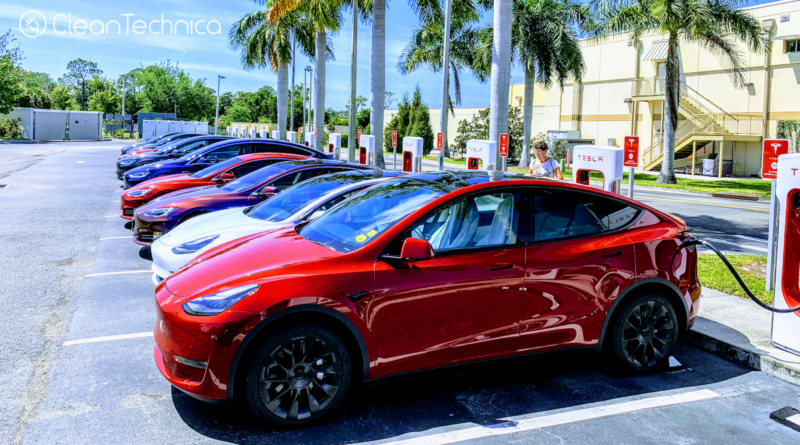
Tesla Introduces V2H Bidirectional Charging for Model 3 and Model Y

Edited by Ionna Brakeley
Charging & Ownership
Updated October 12, 2026
3 min read
1 linked source
Tesla has announced that every Model 3 and Model Y manufactured in the U.S. on or after October 1, 2026, will support vehicle-to-home (V2H) bidirectional charging. Some earlier models built as far back as April 2026 may also have this capability available. This feature allows owners to use their vehicle's battery to power their homes, enhancing energy management options.
Share this story
Why it matters
- ✓V2H capability can reduce electricity costs by allowing owners to use stored energy during peak hours.
- ✓This feature enhances energy independence, enabling EV owners to power their homes during outages or emergencies.
- ✓Potentially increases the resale value of affected Tesla models due to the added functionality.
Tesla Introduces V2H Bidirectional Charging for Model 3 and Model Y
Tesla has confirmed that all Model 3 and Model Y vehicles produced in the United States on or after October 1, 2026, will be equipped with vehicle-to-home (V2H) bidirectional charging capabilities. This feature allows owners to use their vehicle's battery to supply power to their homes, a significant advancement in energy management for EV owners. Notably, some vehicles manufactured as early as April 2026 may also have this upgrade available, indicating that Tesla has been preparing for this capability ahead of the official announcement.
What Changed
The introduction of V2H charging means that Tesla owners can now utilize their cars as backup power sources for their homes. This is particularly useful during power outages or peak electricity pricing periods, where using stored energy can lead to cost savings. The feature is expected to be a game-changer for energy management, allowing users to optimize their electricity consumption by drawing from their vehicle's battery when needed.
Why It Matters for Buyers/Owners
- Cost Savings: By using the vehicle's stored energy during peak hours, owners can potentially lower their electricity bills, making EV ownership more economical.
- Energy Independence: V2H capability provides an additional layer of energy resilience, enabling owners to power essential appliances during outages, which can be crucial for those living in areas prone to blackouts.
- Increased Resale Value: As more consumers become aware of the benefits of V2H charging, the added functionality may enhance the resale value of affected Tesla models, making them more attractive in the used car market.
Key Details from Source Material
According to CleanTechnica, the V2H feature will be standard in all Model 3 and Model Y vehicles built after the specified date, with some earlier models potentially already equipped with the technology. This capability aligns with Tesla's ongoing efforts to enhance the utility of its vehicles beyond transportation, positioning them as integral components of home energy systems.
What to Watch Next
As Tesla rolls out this feature, it will be important to monitor how the V2H functionality is implemented and any additional requirements or limitations that may arise. For instance, details on compatible home systems, installation processes, and any necessary software updates will be crucial for owners looking to take advantage of this new capability. Additionally, further information on the performance and reliability of V2H charging in real-world scenarios will be essential to assess its overall impact on EV ownership.
In conclusion, Tesla's introduction of V2H bidirectional charging for Model 3 and Model Y vehicles marks a significant step forward in the integration of electric vehicles with home energy systems, offering numerous benefits for current and future owners.
Sources
These are the documents and reports used to build this brief so readers can verify the story directly.
- Tesla Enables V2H Bidirectional Charging, Europe Completes EV4EU Trial — CleanTechnicaMEDIA
Reporting notes
EV Signal briefs are written to explain the verified change first, then add the context EV buyers and owners need to understand cost, availability, charging access, eligibility, or ownership impact.
If details are still developing, we try to say what is confirmed, what comes from secondary reporting, and what readers should verify before acting.
Source mix
1 linked source
1 media
Reviewed from: CleanTechnica.
Comments
Log in with
Loading comments…
More in Ownership
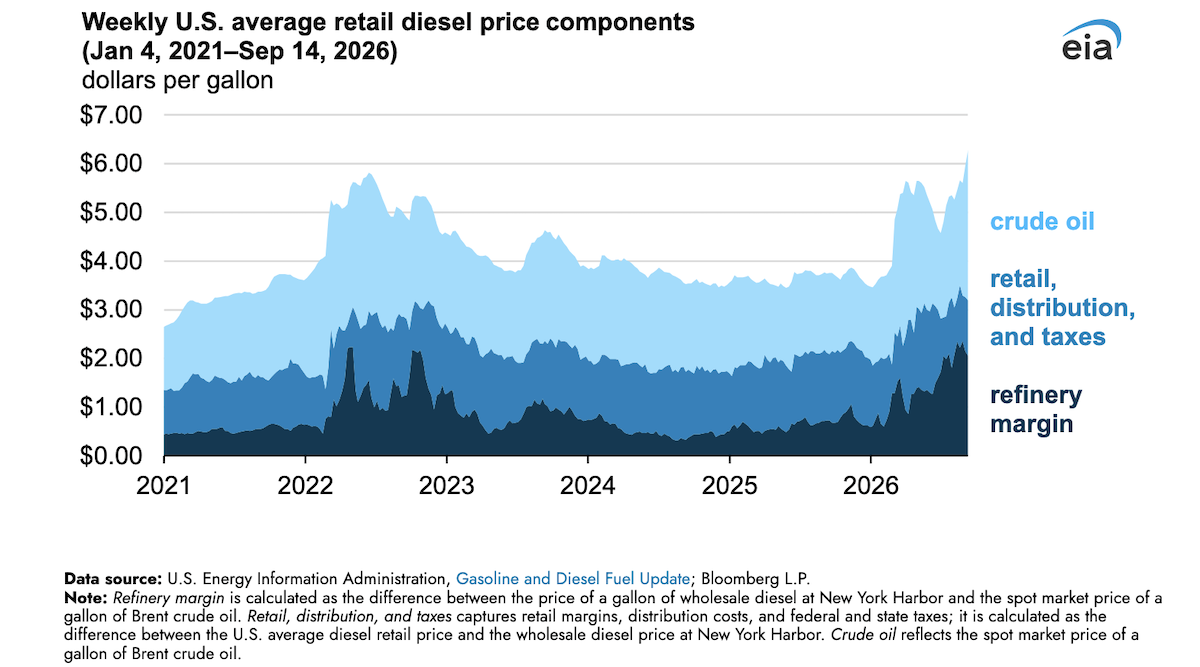
Trump's Diesel Fuel Deal Faces Criticism Ahead of Mid-Term Elections
President Donald Trump's recent efforts to lower diesel fuel prices in the U.S. through a new deal…
2h ago

Electrek Survey Reveals Positive Perspectives on Rising Fuel Prices
A recent survey conducted by Electrek found that nearly 2,000 readers see potential benefits in the…
2h ago

Trump Endorses New Solar Factory in Texas
President Donald Trump has officially endorsed a new solar factory in Texas, marking a significant…
2h ago

Electric Equipment Proves Cost-Effective for Job Sites
Groupe Bellemare, an early adopter of battery-powered heavy equipment, reports significant cost…
8h ago