Tesla Influences Dutch Regulator for FSD Approval

Edited by Dash Coilwright
Incentives & Software
Updated October 8, 2026
3 min read
1 linked source
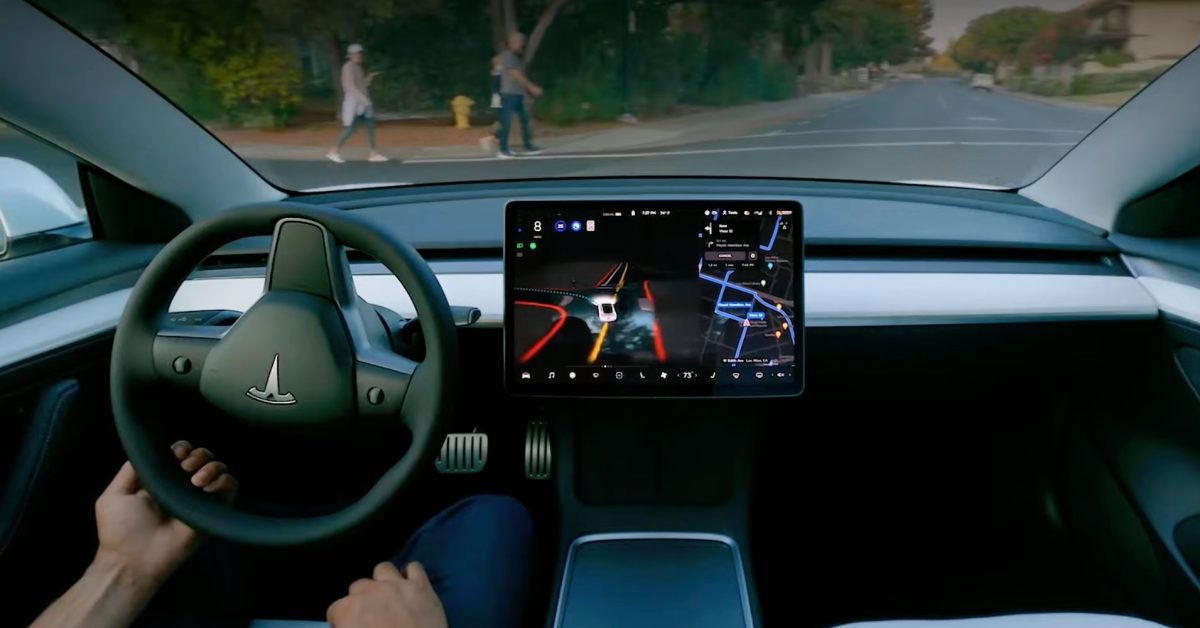
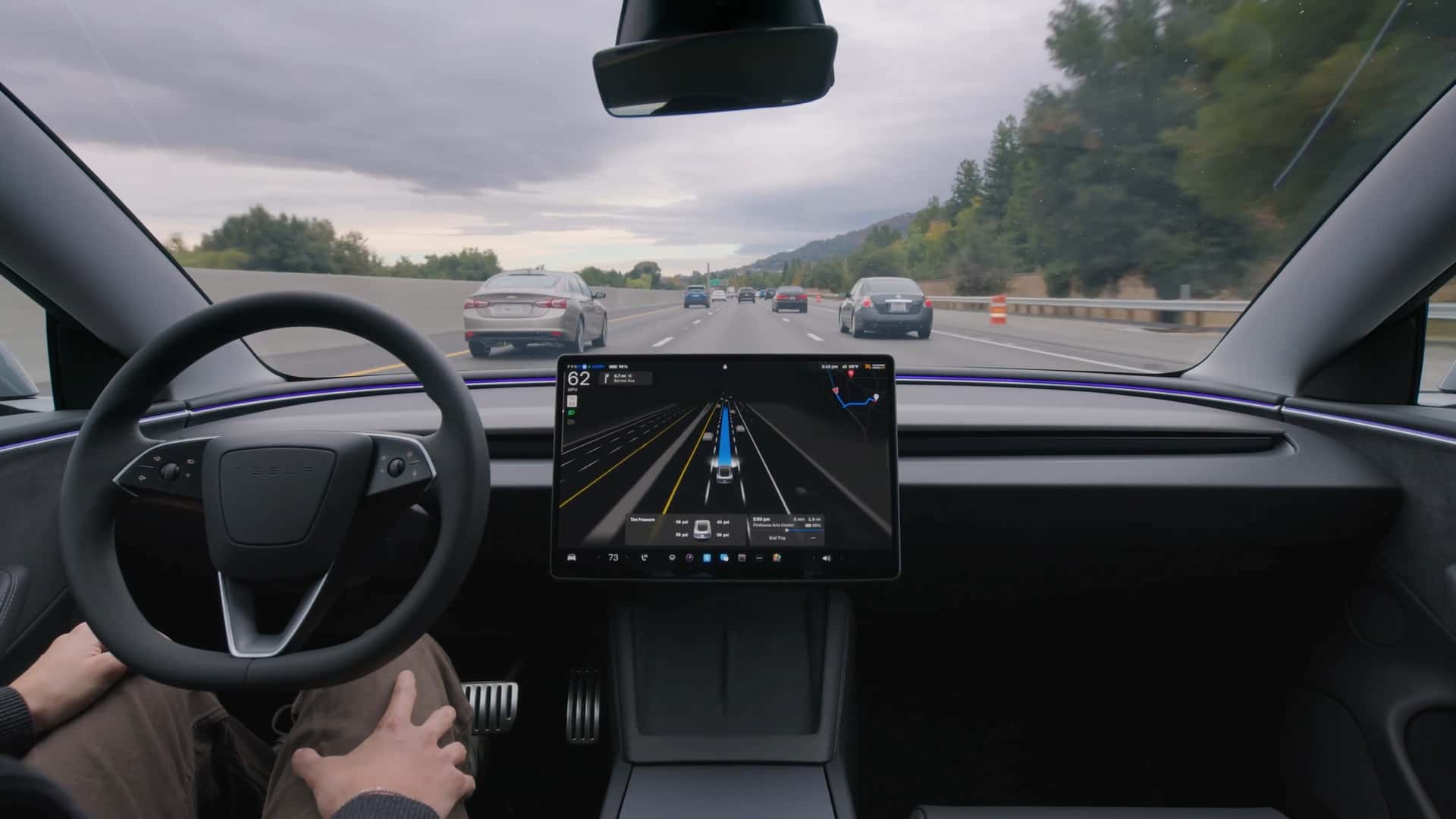
Tesla has reportedly pressured the Dutch vehicle regulator, RDW, to expedite its review process for the Full Self-Driving (Supervised) system. This move has resulted in RDW approving the system, which is crucial for Tesla's broader FSD rollout in Europe, as eight EU countries have already permitted its use. A potential EU-wide vote on the system could occur as soon as December.
Share this story
Why it matters
- ✓The approval of Tesla's FSD system in the Netherlands could lead to wider acceptance across Europe, impacting the availability of advanced driving features for Tesla owners.
- ✓With eight EU countries already allowing FSD, this could enhance the overall value of Tesla vehicles in the region, making them more appealing to potential buyers.
- ✓The outcome of the EU-wide vote in December could significantly influence the future of autonomous driving technology in Europe.
Tesla's Pressure on Dutch Regulator
Tesla has been actively engaging with the Dutch vehicle regulator, RDW, to facilitate a quicker review of its Full Self-Driving (Supervised) system. Emails obtained by Reuters reveal that Tesla not only sought to expedite the review process but also contested a significant fee of €365,000 associated with the review. This pressure appears to have paid off, as RDW has since approved the FSD system, paving the way for broader acceptance across Europe.
What Changed
The RDW's approval of Tesla's FSD system is a critical milestone for the company, as it forms the foundation of its strategy to expand FSD capabilities throughout Europe. Currently, eight EU countries have already permitted the use of this system, and the approval from the Dutch regulator is expected to bolster Tesla's case for a bloc-wide endorsement from the European Union. A vote on this matter could take place as early as December, which would have significant implications for Tesla and other EV manufacturers looking to implement similar autonomous technologies.
Why It Matters for Buyers and Owners
-
Increased Availability of Features: The approval of FSD in the Netherlands and potentially across the EU means that Tesla owners may soon have access to advanced driving features that enhance the driving experience.
-
Value Proposition: With the FSD system being more widely accepted, Tesla vehicles could become more attractive to buyers, potentially increasing their resale value and market demand.
-
Future of Autonomous Driving: The upcoming EU-wide vote could set a precedent for the regulation of autonomous driving technologies in Europe, influencing how quickly and broadly these features can be adopted by consumers.
Key Details from Source Material
According to the reports from Electrek, Tesla's engagement with RDW included discussions about the review process and the associated costs. The €365,000 bill that Tesla disputed highlights the financial stakes involved in regulatory approvals for advanced technologies. The approval from RDW is critical not only for Tesla but also for the broader EV market, as it could lead to a domino effect of approvals across other EU nations.
What to Watch Next
As the situation develops, the focus will shift to the upcoming EU-wide vote on FSD. Stakeholders will be keenly observing how other EU countries respond to the Dutch approval and whether they will follow suit. Additionally, any further communications from Tesla regarding its FSD rollout strategy in Europe will be significant for current and prospective Tesla owners. The implications of this approval extend beyond Tesla, potentially shaping the future landscape of autonomous driving regulations in Europe.
Sources
These are the documents and reports used to build this brief so readers can verify the story directly.
Reporting notes
EV Signal briefs are written to explain the verified change first, then add the context EV buyers and owners need to understand cost, availability, charging access, eligibility, or ownership impact.
If details are still developing, we try to say what is confirmed, what comes from secondary reporting, and what readers should verify before acting.
Source mix
1 linked source
1 media
Reviewed from: Electrek.
Comments
Log in with
Loading comments…
More in Software
Tesla Unveils Halloween Mode Update Featuring New Features
Tesla's latest Halloween Mode update introduces several festive features including a ghost car,…
20h ago
Tesla to Introduce Halloween Mode for FSD Vehicles Soon
Tesla has announced that a new Halloween Mode will soon be available for its Full Self-Driving…
20h ago
Tesla Owner Unlocks Track Mode on Non-Performance Model Y
A Tesla owner named Michał Gapiński has successfully enabled Track Mode on a non-Performance Model…
20h ago
Tesla Pressures European Regulators for FSD Approval Amid Controversy
Tesla is actively lobbying European regulators to expedite the approval of its Full Self-Driving…
20h ago