
Tesla FSD Reduces Collisions by 40% in Australia and New Zealand

Edited by Dash Coilwright
Incentives & Software
Updated September 26, 2026
3 min read
1 linked source
Tesla's Full Self-Driving (FSD) software has demonstrated a significant reduction in collisions, cutting accident rates by 40% in Australia and New Zealand over its first year of operation. This improvement highlights the potential safety benefits of advanced driver-assistance systems, although it is important to note that these statistics are based on supervised use of the software. The exact conditions under which these reductions were measured remain unspecified.
Share this story
Why it matters
- ✓Enhanced safety features may increase consumer confidence in Tesla vehicles, potentially boosting sales.
- ✓Improved safety statistics could influence insurance rates for Tesla owners, possibly lowering costs.
- ✓The data may encourage more EV buyers to consider advanced driver-assistance systems as a valuable feature.
Tesla FSD Cuts Collisions by 40% in Australia and New Zealand
Tesla's Full Self-Driving (FSD) software has officially completed its first full year of operation in Australia and New Zealand, and the safety statistics are noteworthy. According to a report from Not a Tesla App, the FSD system has achieved a remarkable 40% reduction in collision rates during this period. This statistic underscores the potential safety benefits that advanced driver-assistance systems can offer to drivers.
What Changed
The introduction of Tesla's FSD software in Australia and New Zealand has led to a significant decline in the number of collisions involving Tesla vehicles. The reported 40% reduction in accidents is based on data collected over the first year of the software's deployment. It is important to clarify that these figures pertain to the supervised use of FSD, meaning that drivers were still required to maintain attention and control of the vehicle while using the system.
Why It Matters for Buyers and Owners
The implications of this development are substantial for current and prospective Tesla owners:
- Consumer Confidence: Enhanced safety features may lead to increased consumer confidence in Tesla vehicles, potentially boosting sales and encouraging more buyers to consider electric vehicles (EVs).
- Insurance Rates: Improved safety statistics could influence insurance rates for Tesla owners, possibly resulting in lower premiums due to the reduced risk of accidents.
- Market Trends: The positive safety data may encourage more EV buyers to prioritize advanced driver-assistance systems when selecting a vehicle, as they seek out features that enhance safety and driving experience.
Key Details from Source Material
The report from Not a Tesla App highlights that the 40% reduction in collisions is a significant achievement for Tesla's FSD software, marking its first year of operation in the region. However, the specifics of how these statistics were gathered, including the types of collisions included in the data and the conditions under which they were measured, have not been disclosed. This lack of detail leaves some uncertainty regarding the broader applicability of the findings.
What to Watch Next
As Tesla continues to refine its FSD software and expand its deployment, it will be important to monitor any further updates regarding safety statistics and operational improvements. Future reports may provide additional insights into how these reductions in collisions are achieved and whether similar results can be expected in other regions. Additionally, the impact of these safety improvements on insurance rates and consumer behavior will be worth watching as the EV market evolves.
In conclusion, while the reported 40% reduction in collisions is a promising indicator of the effectiveness of Tesla's FSD software, further details and ongoing developments will be crucial for understanding the full implications for buyers and owners in the EV market.
Sources
These are the documents and reports used to build this brief so readers can verify the story directly.
- Tesla FSD Cuts Collisions by 40% in Australia and NZ — Not a Tesla AppMEDIA
Reporting notes
EV Signal briefs are written to explain the verified change first, then add the context EV buyers and owners need to understand cost, availability, charging access, eligibility, or ownership impact.
If details are still developing, we try to say what is confirmed, what comes from secondary reporting, and what readers should verify before acting.
Source mix
1 linked source
1 media
Reviewed from: Not a Tesla App.
Comments
Log in with
Loading comments…
More in Software

Tesla Introduces Grok Reminders for Location-Based Alerts
Tesla has launched Grok reminders, a new feature that allows drivers to set automated alerts tied…
2h ago

Tesla Adds Passkey Support to Tesla App
Tesla has begun rolling out a security upgrade to its mobile app, introducing passkey support for…
2h ago
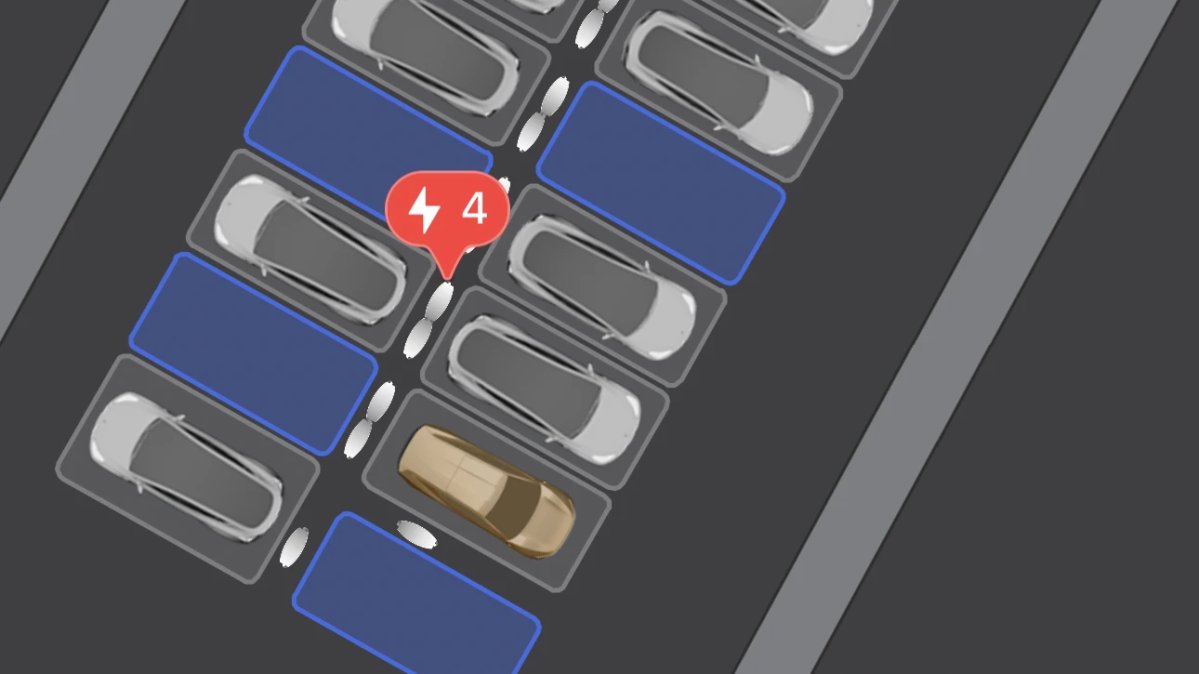
Tesla Adds 3D Supercharger Site Maps to Mobile App
Tesla has updated its mobile app to include detailed 3D maps of Supercharger sites, enhancing the…
2h ago

Tesla Expands Grok to Middle East and Morocco with Update 2026.32.6
Tesla will launch its Grok feature in the Middle East and Morocco with the upcoming software update…
2h ago