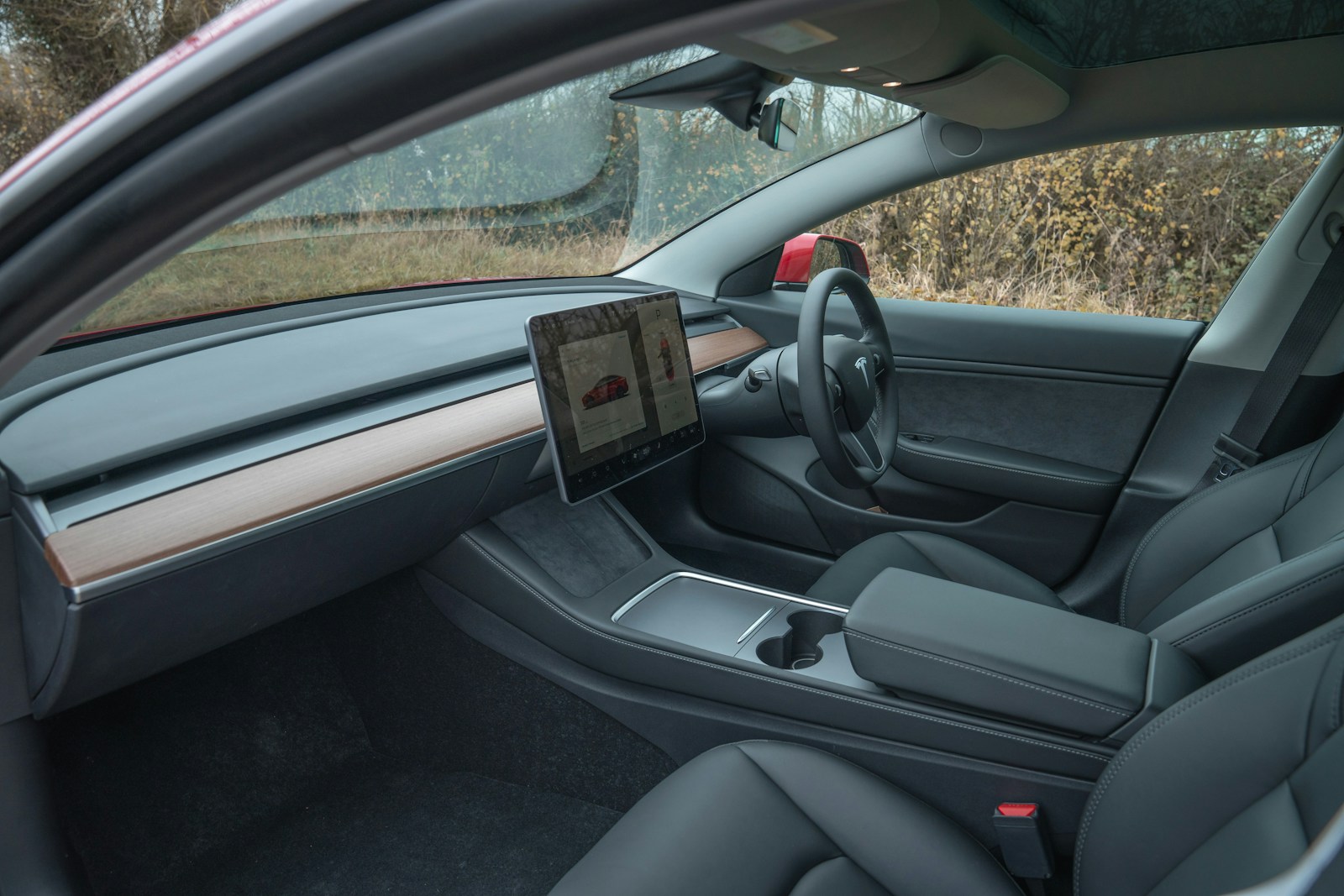
Tesla FSD Ignores Railroad Crossing Barriers in Viral Incident
Updated March 11, 2026
5 min read
1 linked source
A viral video has emerged showing a Tesla Model 3 operating on 'Full Self-Driving' (FSD) software driving through railroad crossing barriers in Los Angeles, failing to recognize the crossing gate. This incident coincides with the National Highway Traffic Safety Administration's (NHTSA) deadline for Tesla to submit critical data related to its investigation into FSD traffic violations, which includes issues with railroad crossings.
Share this story
Why it matters
- ✓Raises concerns about the safety and reliability of Tesla's Full Self-Driving technology.
- ✓Highlights ongoing investigations into FSD performance, which could impact consumer trust.
- ✓Potential implications for regulatory scrutiny and future software updates affecting all Tesla owners.
Reporting notes
EV Signal briefs are written to explain the verified change first, then add the context EV buyers and owners need to understand cost, availability, charging access, eligibility, or ownership impact.
If details are still developing, we try to say what is confirmed, what comes from secondary reporting, and what readers should verify before acting.
Source mix
1 linked source
1 media
Reviewed from: Electrek.
Tesla FSD Ignores Railroad Crossing Barriers in Viral Incident
A recent viral video has sparked significant concern regarding the safety and reliability of Tesla's Full Self-Driving (FSD) technology. The footage, which shows a Tesla Model 3 driving directly through railroad crossing barriers in Los Angeles, raises critical questions about the effectiveness of the software and its ability to navigate complex traffic situations. This incident coincides with a pivotal moment for Tesla, as the National Highway Traffic Safety Administration (NHTSA) has set a deadline for the company to submit essential data related to ongoing investigations into FSD traffic violations, including issues specifically associated with railroad crossings.
The Incident: What Happened?
In the viral video, a Tesla Model 3 is seen approaching a railroad crossing where the barriers are lowered, indicating an oncoming train. Despite the clear visual cues, the vehicle proceeds to drive through the barriers without any apparent hesitation. This alarming behavior has drawn widespread attention, not only for the potential danger it poses to the occupants of the vehicle but also for pedestrians and other road users.
The video has been shared extensively across social media platforms, prompting discussions about the capabilities and limitations of Tesla's FSD technology. Observers have expressed their shock and concern, with many questioning how a vehicle equipped with advanced driver-assistance systems could fail to recognize such a critical safety feature.
Context: Tesla's Full Self-Driving Technology
Tesla's Full Self-Driving software is marketed as a cutting-edge solution designed to enable autonomous driving capabilities. However, the technology has faced scrutiny since its initial rollout. While Tesla has made significant strides in developing its FSD features, incidents like the one in Los Angeles highlight the challenges that remain in achieving true autonomy.
The FSD system relies on a combination of cameras, sensors, and artificial intelligence to interpret the vehicle's surroundings and make driving decisions. However, as demonstrated in the recent incident, the system can sometimes misinterpret or completely overlook critical safety signals, such as railroad crossing barriers. This raises important questions about the reliability of the technology and its readiness for widespread adoption.
Regulatory Scrutiny and Investigations
The timing of this incident is particularly noteworthy, as it coincides with the NHTSA's deadline for Tesla to provide data related to its ongoing investigation into FSD traffic violations. The NHTSA has been examining various aspects of Tesla's FSD technology, including its performance at railroad crossings. This investigation is part of a broader effort to ensure that advanced driver-assistance systems are safe and reliable for consumers.
The NHTSA's scrutiny comes amid growing concerns about the safety of autonomous vehicles. As more manufacturers introduce similar technologies, regulatory bodies are under pressure to establish guidelines and standards that ensure the safety of both drivers and pedestrians. The outcome of the NHTSA's investigation could have significant implications for Tesla, potentially affecting its ability to market and sell its FSD software.
Implications for Tesla Owners and EV Buyers
The recent incident raises several important considerations for current Tesla owners and potential buyers of electric vehicles equipped with FSD technology.
Safety Concerns
First and foremost, the safety of the FSD system is a paramount concern. Incidents like the one captured in the viral video can erode consumer trust in Tesla's technology. Owners who have invested in FSD may feel anxious about the system's reliability, especially in critical situations like railroad crossings. This incident could lead to increased scrutiny from both consumers and regulatory bodies, prompting Tesla to enhance its software and safety measures.
Impact on Consumer Trust
Consumer trust is essential for the success of any automotive technology, particularly one that promises to revolutionize the driving experience. The viral video has the potential to influence public perception of Tesla's FSD capabilities. If consumers begin to associate the technology with safety risks, it could deter potential buyers from investing in Tesla vehicles equipped with FSD.
Future Software Updates
The implications of this incident extend beyond consumer trust. Tesla has a history of providing over-the-air software updates to improve its vehicles' performance and safety features. However, the urgency of addressing the issues highlighted by the recent incident may prompt Tesla to accelerate its development of software updates aimed at enhancing the FSD system's ability to recognize and respond to critical safety signals, such as railroad crossing barriers.
The Road Ahead for Tesla and FSD
As Tesla navigates the fallout from this incident, the company faces a critical juncture in its development of autonomous driving technology. The NHTSA's investigation will likely play a significant role in shaping the future of FSD, as regulatory bodies work to establish standards that ensure the safety of advanced driver-assistance systems.
Tesla's response to this incident will be closely watched by consumers, industry experts, and regulators alike. The company must demonstrate its commitment to safety and reliability by addressing the shortcomings of its FSD technology and implementing necessary improvements. Failure to do so could have far-reaching consequences for Tesla's reputation and market position.
Conclusion
The viral incident involving a Tesla Model 3 driving through railroad crossing barriers serves as a stark reminder of the challenges facing autonomous vehicle technology. As Tesla continues to develop its Full Self-Driving software, the company must prioritize safety and reliability to maintain consumer trust and comply with regulatory expectations. The outcome of the NHTSA's investigation and Tesla's subsequent actions will be crucial in determining the future of FSD technology and its acceptance in the broader automotive market.
Sources
These are the documents and reports used to build this brief so readers can verify the story directly.
Comments
Log in with
Loading comments…
More in Software
Mercedes Partners with Wayve for Advanced Driver Assistance System
Mercedes-Benz has announced a collaboration with Wayve to develop a driver assistance system…
1d ago
Tesla Full Self-Driving Update Issues False Camera Alerts
Tesla's latest Full Self-Driving update, version 14.3.9, is erroneously alerting owners that their…
1d ago
Mercedes-Benz Partners with Wayve for AI Driver Integration in Future Vehicles
Mercedes-Benz has finalized a production agreement with Wayve, a British self-driving startup, to…
1d ago
Tesla Cybercab Faces Navigation Issues Similar to Existing Tesla Models
Tesla's new Cybercab robotaxis are reportedly experiencing navigation problems, taking unusual…
2d ago