Tesla Expands Powerwall 3 Backwards Compatibility to North America

Edited by Ionna Brakeley
Charging & Ownership
Updated September 25, 2026
3 min read
1 linked source
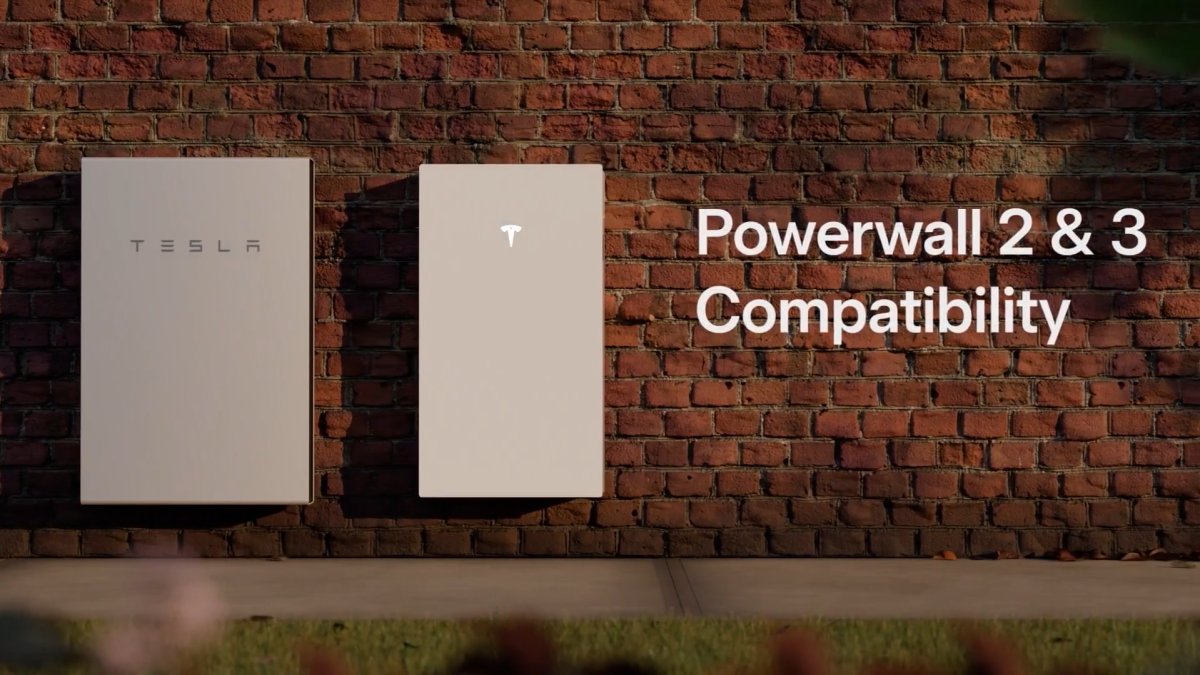
Tesla has announced that existing Powerwall 2 owners in North America can now add a new Powerwall 3 to their home energy storage systems. This update allows for expanded energy storage capabilities but does not specify any limitations or requirements for compatibility. Current Powerwall 2 users can enhance their systems without needing to replace their existing units.
Share this story
Why it matters
- ✓Powerwall 2 owners can now upgrade their energy storage capacity, which may improve energy management and reduce reliance on grid power.
- ✓This compatibility expansion could lead to cost savings on energy bills for users who can store more energy from renewable sources.
- ✓The ability to add a Powerwall 3 may enhance the overall functionality of home energy systems, particularly for those with solar panels.
Tesla's Powerwall 3 Backwards Compatibility
Tesla has officially expanded the backwards compatibility of its Powerwall 3 to include existing Powerwall 2 owners in North America. This significant update allows users to enhance their home energy storage systems by adding a new Powerwall 3 without the need to replace their existing Powerwall 2 units.
What Changed
The key change is that Powerwall 2 owners can now integrate a Powerwall 3 into their home energy systems. This compatibility means that users can increase their energy storage capacity, which is particularly beneficial for those who utilize solar energy. By adding a Powerwall 3, users can store more energy generated from their solar panels, leading to increased efficiency and potential cost savings on energy bills.
Why It Matters for Buyers/Owners
-
Enhanced Energy Management: The ability to add a Powerwall 3 allows current Powerwall 2 owners to better manage their energy consumption and storage, particularly during peak usage times.
-
Cost Savings Potential: With increased energy storage, users may be able to reduce their reliance on grid power, leading to lower energy bills, especially if they can store energy during off-peak times and use it during peak times.
-
Improved System Functionality: The integration of a Powerwall 3 could enhance the overall functionality of home energy systems, especially for those already invested in solar technology. This could make homes more energy-independent and sustainable.
Key Details from Source Material
According to Not a Tesla App, the announcement confirms that Tesla is committed to supporting existing Powerwall 2 users by allowing them to expand their systems with the newer Powerwall 3. The specifics regarding installation, pricing, and any additional requirements for compatibility have not been disclosed yet. Therefore, potential buyers should keep an eye out for further announcements from Tesla regarding these details.
What to Watch Next
As Tesla continues to roll out updates and features for its energy products, users should stay informed about any additional requirements or limitations that may accompany the integration of Powerwall 3 with existing Powerwall 2 systems. Future announcements may provide clarity on installation processes, pricing, and any potential incentives for upgrading. Additionally, monitoring user experiences and feedback on the compatibility will be crucial for understanding the practical implications of this update.
In conclusion, Tesla's expansion of backwards compatibility for the Powerwall 3 is a positive development for existing Powerwall 2 owners, offering them a pathway to enhance their home energy storage capabilities. As more information becomes available, users will be better equipped to make informed decisions about their energy systems.
Sources
These are the documents and reports used to build this brief so readers can verify the story directly.
- Tesla Expands Powerwall 3 Backwards Compatibility to North America — Not a Tesla AppMEDIA
Reporting notes
EV Signal briefs are written to explain the verified change first, then add the context EV buyers and owners need to understand cost, availability, charging access, eligibility, or ownership impact.
If details are still developing, we try to say what is confirmed, what comes from secondary reporting, and what readers should verify before acting.
Source mix
1 linked source
1 media
Reviewed from: Not a Tesla App.
Comments
Log in with
Loading comments…
More in Ownership

Importance of Inductor Efficiency in Power Supply Design for EVs
Improving inductor efficiency is crucial for battery-powered applications, particularly in electric…
1h ago

Lucid Motors Partners with Bolt for Potential Robotaxi Service in Europe
Lucid Motors has announced a partnership with the mobility platform Bolt to explore the potential…
1h ago
LA Metro Approves Purchase of 220 Battery-Electric Transit Buses
LA Metro has approved the acquisition of 220 new battery-electric buses, marking one of the largest…
1h ago

Boring Co. to Build 30-Minute Austin to San Antonio Tunnel
Elon Musk has announced that The Boring Company is developing a high-speed underground transit link…
1h ago