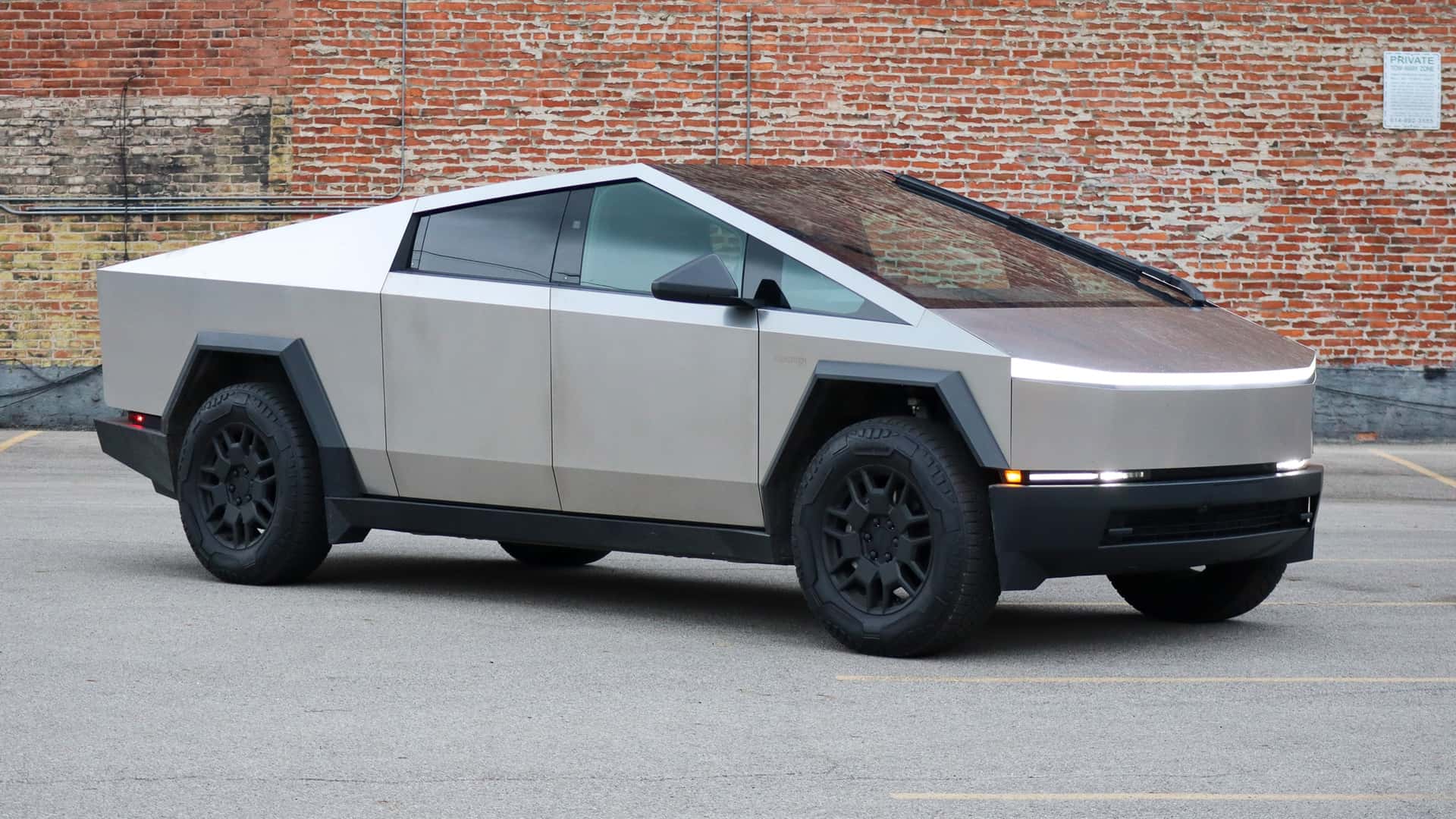
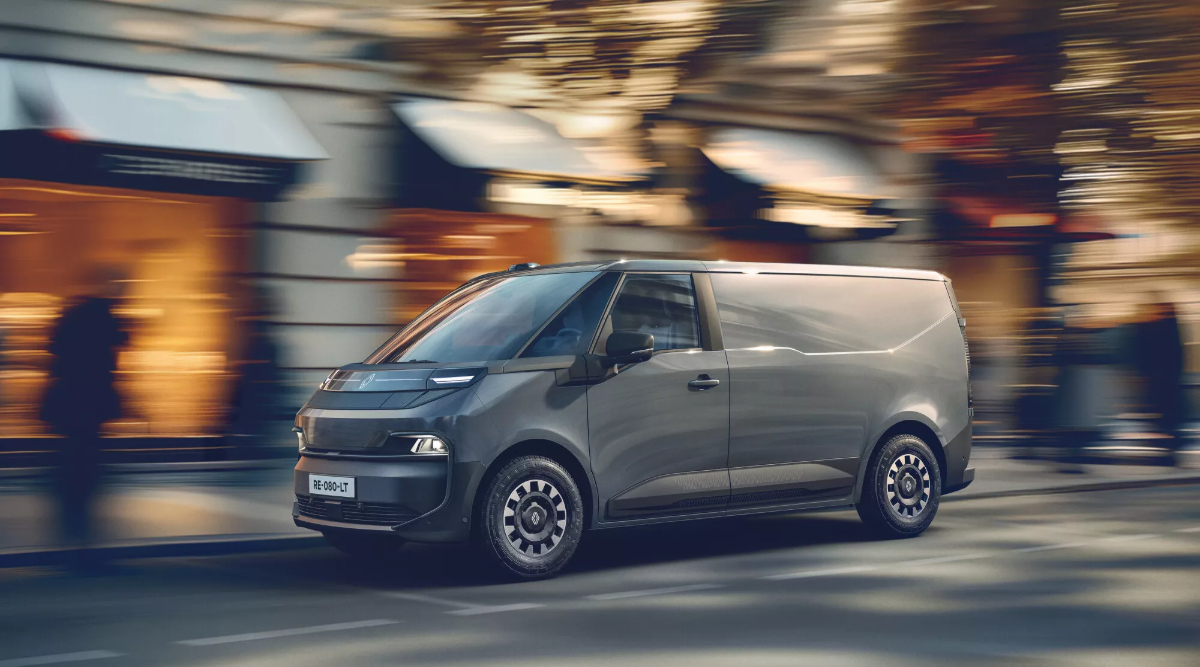
Tesla Expands EV Production to Include Home Battery Functionality
Tesla is increasing the number of electric vehicles (EVs) that can serve as backup power sources for homes, effectively functioning as home batteries. This development primarily affects Tesla owners who may want to use their vehicles for home energy storage. However, the integration of EVs as home batteries remains complicated due to the differences between alternating current (AC) and direct current (DC) systems.

Key takeaways
30-second read- 1Tesla owners may benefit from reduced reliance on traditional home battery systems, potentially lowering energy costs during outages.
- 2The ability to use EVs as home batteries could provide additional value to Tesla vehicles, enhancing their appeal in the market.
- 3Current V2H systems in the U.S. may still face limitations due to compatibility issues with home electrical systems.
Confirmed
No official source linked yet
Reported
Secondary reporting: Canary Media
Verify yourself
Eligibility, local prices and dates for your car, state or utility
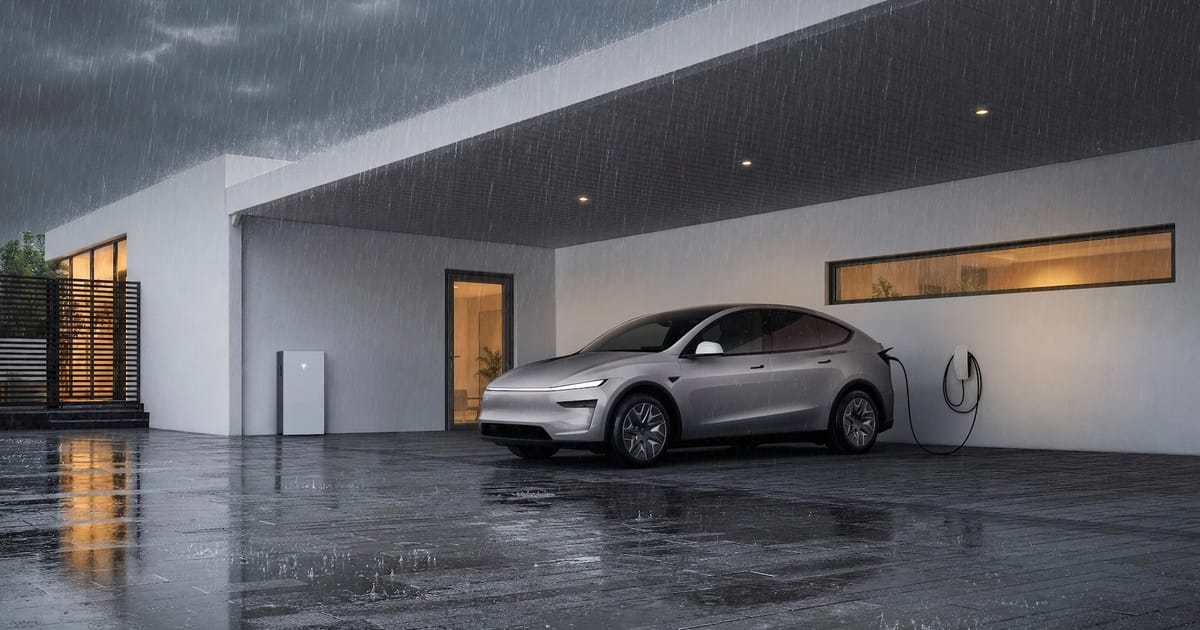
Tesla's New EVs with Home Battery Capabilities
Tesla has announced that it is ramping up production of electric vehicles (EVs) that can function as home batteries, providing backup power to households. This move is significant for Tesla owners and those considering purchasing a Tesla, as it expands the utility of their vehicles beyond transportation.
What Changed
The key change is Tesla's commitment to producing more EVs equipped with vehicle-to-home (V2H) capabilities. This feature allows EVs to supply electricity back to a home, acting as a backup power source during outages or peak demand times. However, the implementation of this technology is complicated by the need to convert the direct current (DC) stored in EV batteries into alternating current (AC), which is the standard used in most household electrical systems.
Why It Matters for Buyers/Owners
- Cost Savings: By using their EVs as backup power sources, Tesla owners could save money on traditional home battery systems, which can be expensive to install and maintain.
- Increased Vehicle Value: The added functionality of using an EV as a home battery may enhance the overall value proposition of Tesla vehicles, making them more attractive to potential buyers.
- Compatibility Issues: Despite the benefits, the current V2H systems available in the U.S. may still face challenges due to AC-DC compatibility, which could limit the effectiveness of this feature for some users.
Key Details from Source Material
According to a report from Canary Media, the integration of EVs as home batteries is not straightforward. The power grid operates on alternating current (AC), while EV batteries store energy in direct current (DC). This fundamental difference complicates the implementation of V2H systems, as most existing solutions require additional equipment to facilitate the conversion between AC and DC. As of now, almost every commercially available V2H backup power system in the U.S. requires specific configurations to work effectively with home electrical systems.
What to Watch Next
As Tesla continues to develop and produce EVs with home battery capabilities, it will be important to monitor how the company addresses the AC-DC compatibility issue. Future updates from Tesla regarding the performance and availability of V2H systems will be crucial for current and prospective owners. Additionally, any advancements in technology that simplify the integration of EVs as home batteries could further enhance their appeal and functionality in the residential energy market.
Buying guide: Best Portable Power Station for EV Camping and Power Cuts (2026)
Sources
1 media- [1]Tesla is now making more EVs that can double as a home batteryMedia
Canary Media · canarymedia.com · published Oct 6
Newsletter
Weekly EV signal. No spam.
Comments
Log in with
Loading comments…