Tesla Driver Claims Asleep on FSD During Collision with CHP Patrol Car

Edited by Dash Coilwright
Incentives & Software
Updated October 16, 2026
3 min read
1 linked source
A 22-year-old Tesla driver reportedly fell asleep while using the vehicle's Full Self-Driving (FSD) feature and crashed into a California Highway Patrol (CHP) car, injuring two officers. This incident highlights ongoing concerns about the safety and reliability of Tesla's autonomous driving technology, which has been under federal investigation for similar incidents for several years.
Share this story
Why it matters
- ✓The incident raises questions about the safety of Tesla's Full Self-Driving feature, potentially affecting consumer confidence in autonomous driving technology.
- ✓Increased scrutiny from regulators could lead to stricter regulations or changes in how FSD is marketed and used, impacting current and future Tesla owners.
- ✓Ongoing investigations may influence insurance rates and liability issues for Tesla drivers involved in accidents while using FSD.
Tesla Driver Claims Asleep on FSD During Collision
A serious incident involving a Tesla driver has raised alarms about the safety of the vehicle's Full Self-Driving (FSD) feature. According to reports, a 22-year-old driver fell asleep while FSD was engaged and crashed into a California Highway Patrol (CHP) patrol car, resulting in injuries to two officers. This event underscores ongoing concerns regarding the reliability of autonomous driving technologies and their implications for public safety.
What Changed
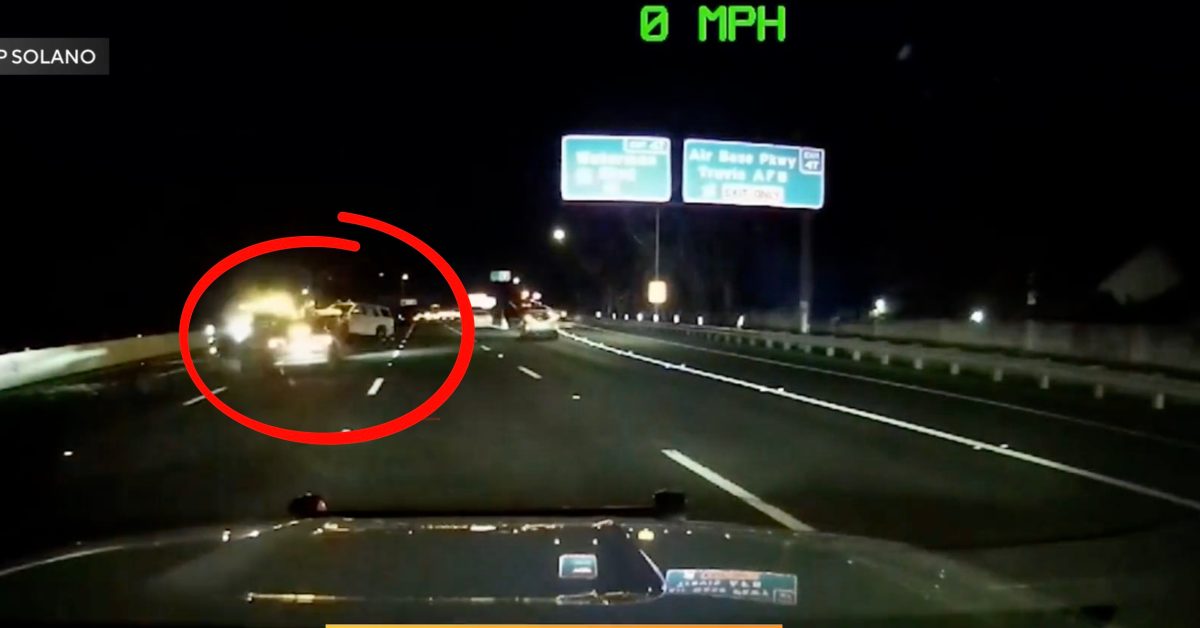
The driver, who was reportedly asleep at the wheel, collided with a CHP vehicle responding to an earlier crash on Interstate 80 in Fairfield, California. The CHP has released dashcam footage of the incident, which is part of a broader investigation into Tesla's FSD system. This incident is not isolated; it is one of several occurrences where Tesla vehicles have struck emergency vehicles while in autonomous mode, prompting federal regulators to investigate the safety of FSD for the past five years.
Why It Matters for Buyers and Owners
This incident raises critical questions about the safety and effectiveness of Tesla's FSD technology:
- Consumer Confidence: The crash may erode consumer trust in Tesla's autonomous driving capabilities, especially among potential buyers considering the purchase of a Tesla vehicle.
- Regulatory Scrutiny: Increased scrutiny from federal regulators could lead to stricter regulations regarding the use of FSD, which may impact how current and future Tesla owners utilize this feature.
- Insurance and Liability: The implications of this incident could extend to insurance rates and liability issues for Tesla drivers, particularly those involved in accidents while using FSD.
Key Details from Source Material
According to Electrek, the driver was asleep when the collision occurred, and the CHP officers involved sustained serious injuries. The dashcam footage released by the CHP provides a visual account of the incident, which is part of ongoing investigations into Tesla's FSD system. This investigation has been a point of contention for several years, as regulators examine the safety of the technology in real-world scenarios.
What to Watch Next
As details surrounding this incident continue to develop, it will be important to monitor:
- Updates from the California Highway Patrol regarding the condition of the injured officers and any further legal actions taken against the driver.
- Responses from Tesla regarding the incident and any potential changes to FSD features or marketing strategies.
- Developments in the federal investigation into Tesla's FSD system, particularly any regulatory changes that may arise as a result of this incident.
In conclusion, this incident serves as a stark reminder of the challenges and risks associated with autonomous driving technology. As Tesla continues to innovate, the balance between technological advancement and public safety remains a critical concern for consumers and regulators alike.
Sources
These are the documents and reports used to build this brief so readers can verify the story directly.
Reporting notes
EV Signal briefs are written to explain the verified change first, then add the context EV buyers and owners need to understand cost, availability, charging access, eligibility, or ownership impact.
If details are still developing, we try to say what is confirmed, what comes from secondary reporting, and what readers should verify before acting.
Source mix
1 linked source
1 media
Reviewed from: Electrek.
Newsletter
Weekly EV signal. No spam.
Comments
Log in with
Loading comments…
More in Software
Volvo Partners with Nvidia for Hands-Free Automated Driving
Volvo has announced that its future vehicle models will feature point-to-point, hands-free…
7h ago
Rivian Introduces Invitation-Only Point-to-Point Driving Program for Select Owners
Rivian is launching an 'Autonomy Early Access Program' that will allow select R1 Gen 2 and R2…
19h ago

Rivian to Introduce AI Agents in Upcoming Vehicles
Rivian has announced plans to integrate AI agents into its vehicles, enhancing the driving…
1d ago

Volvo Expands Partnership with Nvidia for Enhanced Automated Driving Systems
Volvo is expanding its long-standing partnership with Nvidia to enhance its automated driving…
1d ago