
Tesla Draws $5.8 Billion from Chinese Bank Amid Sales Decline
Updated April 24, 2026
3 min read
1 linked source
Tesla has fully utilized its $5.8 billion China Working Capital Facility, marking a 35% increase in just one quarter. This move comes as the company's retail sales in China have dropped by 16% year-over-year, raising concerns about the impact on Tesla's financial health and operations in the region.
Share this story
Why it matters
- ✓The increase in debt could affect Tesla's pricing strategies in China, potentially leading to higher vehicle costs for consumers.
- ✓A decline in sales may limit the availability of Tesla vehicles in the Chinese market, impacting buyers' options.
- ✓The reliance on debt financing could influence Tesla's long-term ownership costs and investment in infrastructure.
Reporting notes
EV Signal briefs are written to explain the verified change first, then add the context EV buyers and owners need to understand cost, availability, charging access, eligibility, or ownership impact.
If details are still developing, we try to say what is confirmed, what comes from secondary reporting, and what readers should verify before acting.
Source mix
1 linked source
1 media
Reviewed from: Electrek.
Tesla's Financial Maneuvering in China
Tesla has officially maxed out its China Working Capital Facility, drawing down the full $5.8 billion available to it. This decision, as revealed in Tesla's Q1 2026 10-Q filing, represents a significant 35% increase in the company's non-recourse debt within a single quarter. Notably, this facility did not exist just two years ago and now constitutes 64% of all Tesla’s non-recourse debt.
What Changed
The immediate change is Tesla's full utilization of its Chinese bank debt facility, which comes at a time when the company's retail sales in China have taken a hit, declining by 16% year-over-year. This situation raises questions about the sustainability of Tesla's operations in one of its largest markets.
Why It Matters for Buyers and Owners
-
Potential Price Implications: The increase in debt could lead Tesla to adjust its pricing strategies in China. Higher operational costs may be passed on to consumers, potentially making Tesla vehicles less affordable.
-
Availability of Vehicles: A decline in sales may limit the availability of Tesla vehicles in the Chinese market. Buyers could face longer wait times or fewer options as the company navigates its financial challenges.
-
Long-term Ownership Costs: The reliance on debt financing may affect Tesla's long-term investment in infrastructure and services, which could influence overall ownership costs for current and future Tesla owners.
Key Details from Source Material
According to the report from Electrek, Tesla's decision to draw down its credit line comes despite holding $44.7 billion in cash and short-term investments in the U.S. This raises questions about the company's financial strategy and its reliance on debt in a challenging market environment. The significant drop in sales in China, a critical market for Tesla, adds to the urgency of this financial maneuvering.
What to Watch Next
As Tesla navigates these financial waters, it will be important to monitor the company's sales performance in China in the coming quarters. Any further declines could lead to additional financial adjustments or changes in strategy. Additionally, how Tesla manages its debt and whether it can stabilize its sales in China will be crucial for its overall market position and for buyers considering a Tesla vehicle.
In summary, while Tesla's drawdown of its Chinese bank debt facility highlights its immediate financial needs, the implications for buyers and owners in the EV market are significant and warrant close attention.
Sources
These are the documents and reports used to build this brief so readers can verify the story directly.
Comments
Log in with
Loading comments…
More in Ownership
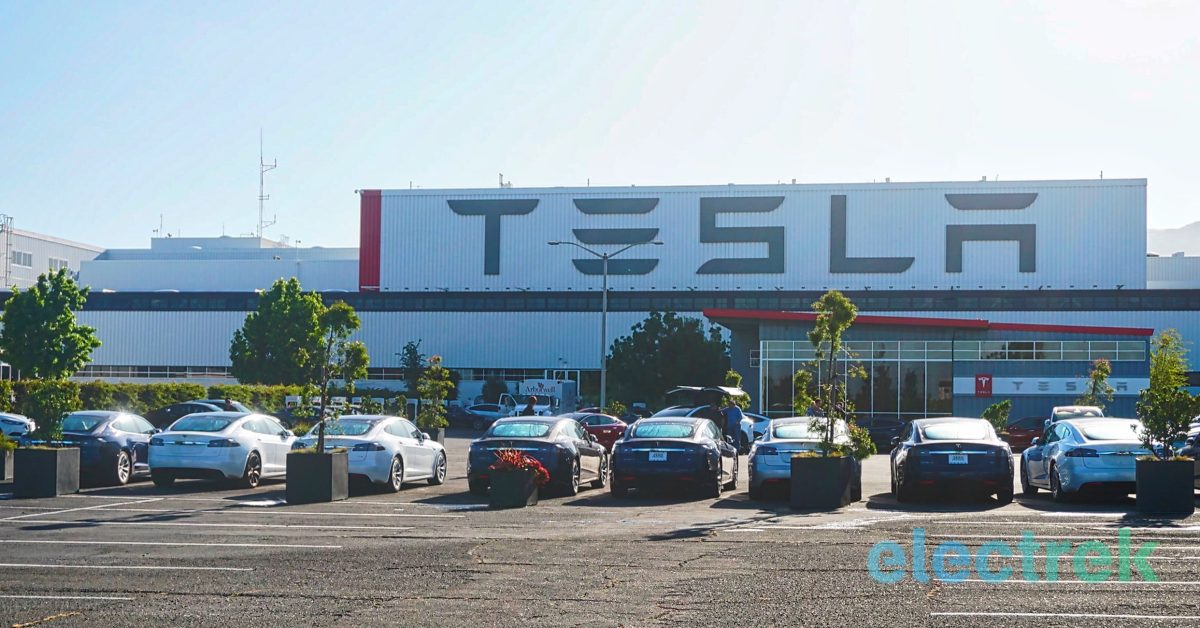
Tesla's Lawyers Misled Witness in Racism Trial
Tesla's ongoing racism trial in California has faced significant setbacks as it was revealed that a…
18h ago
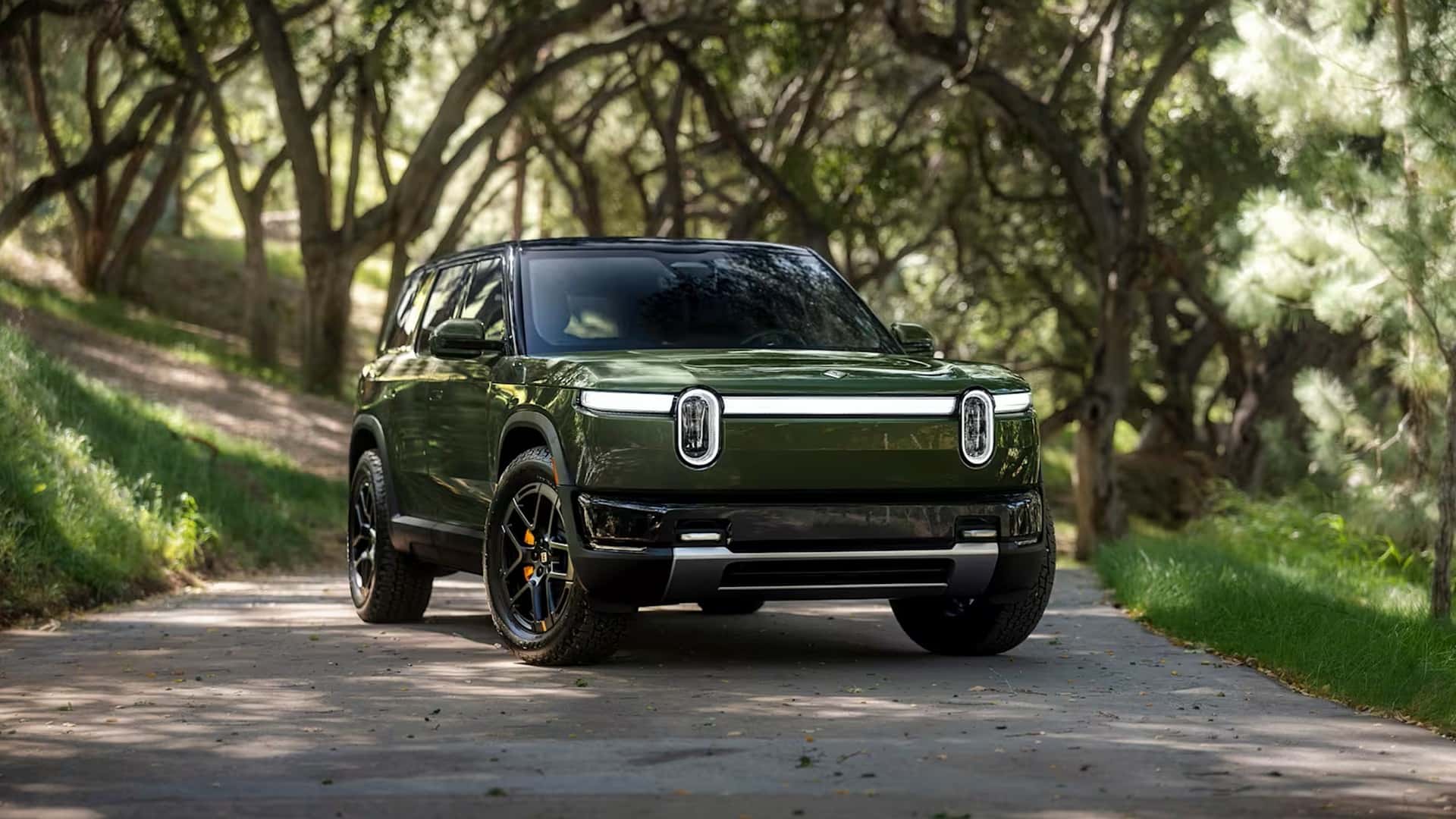
Rivian R2 Faces First Recall Due to Camera Issue
Rivian has issued a recall affecting nearly 99,000 vehicles, including some of its new R2 models,…
18h ago
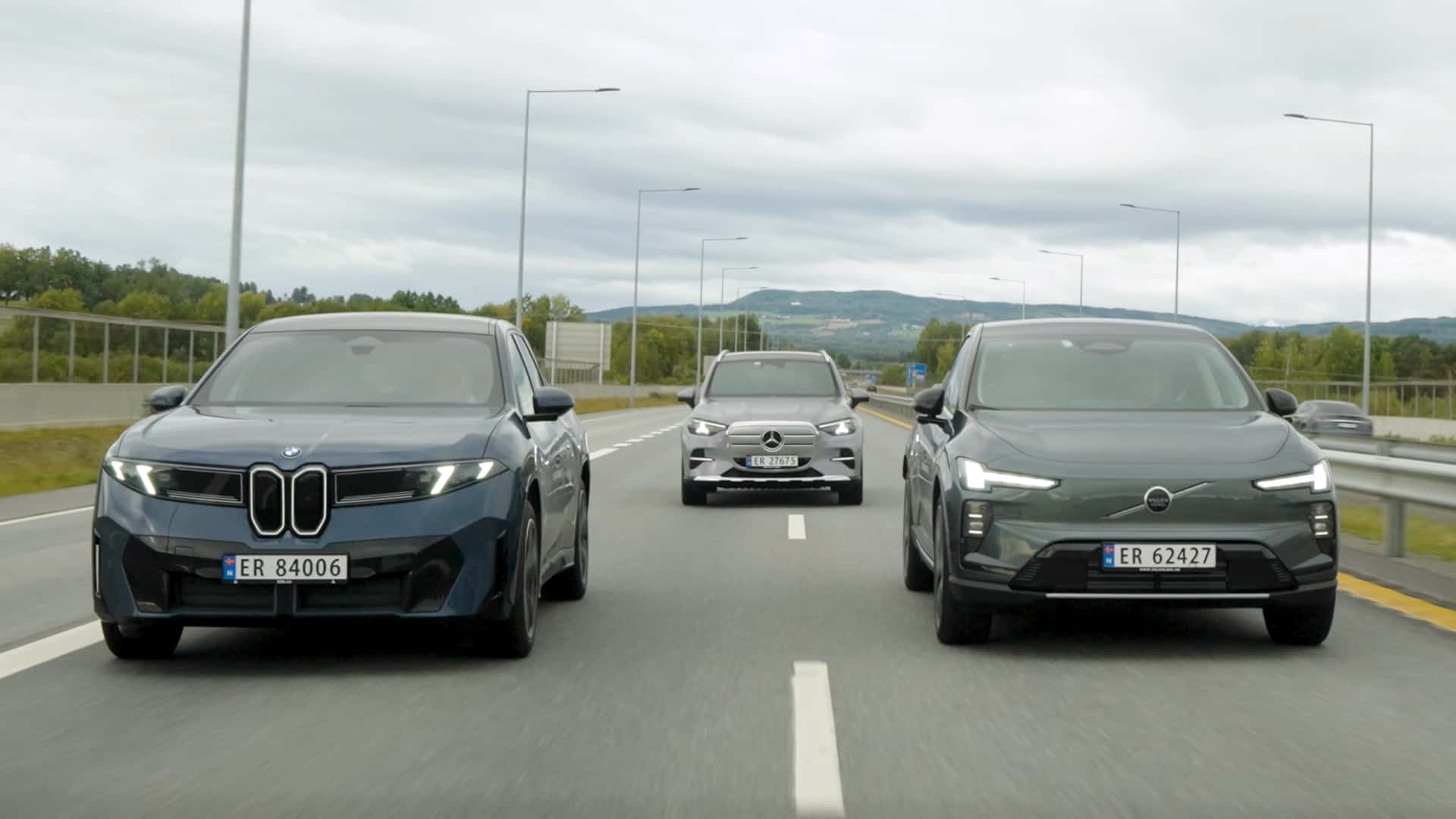
BMW iX3 Outperforms Mercedes GLC and Volvo EX60 in Highway Efficiency Test
In a recent highway test, the BMW iX3 demonstrated superior energy efficiency and range compared to…
1d ago
PHEV Batteries Show Resilience Despite Frequent Cycling
Plug-in hybrid electric vehicles (PHEVs) experience more frequent battery cycling than fully…
1d ago