Tesla Discontinues Model S After 14 Years
Tesla has officially announced the discontinuation of the Model S after 14 years of production. This decision marks the end of a significant era for Tesla and the electric vehicle industry, as the Model S played a pivotal role in shaping the modern EV landscape. While the Model S will no longer be produced, its influence will continue to be felt across the automotive sector.

Key takeaways
30-second read- 1The discontinuation may lead to changes in pricing and availability for existing Model S owners and potential buyers.
- 2As the Model S is phased out, buyers may see a shift in focus towards newer models with updated technology and features.
- 3Current owners may experience changes in resale value and support for their vehicles as production ceases.
Confirmed
No official source linked yet
Reported
Secondary reporting: InsideEVs
Verify yourself
Eligibility, local prices and dates for your car, state or utility
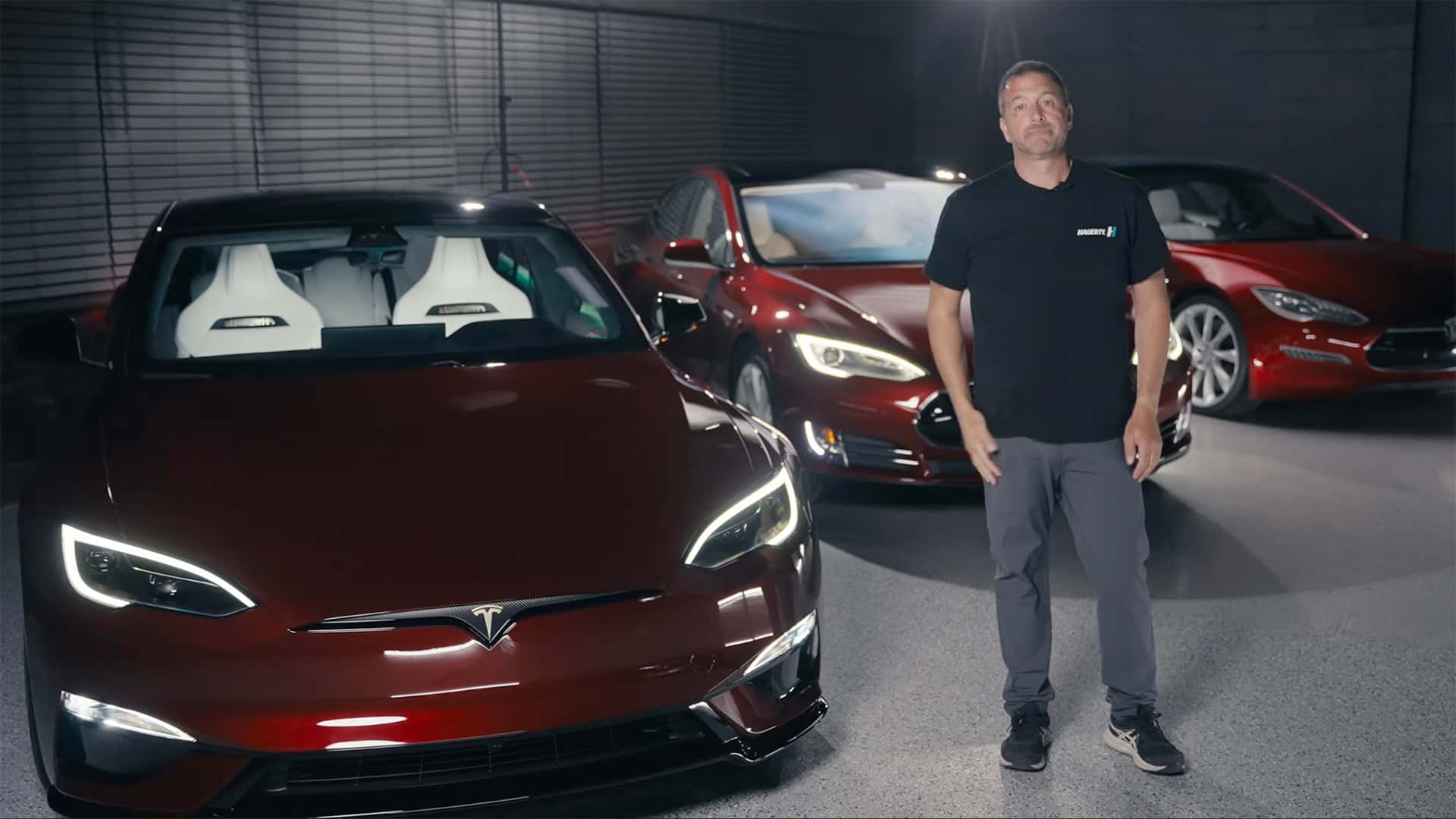
Tesla Discontinues Model S After 14 Years
Tesla has officially announced the discontinuation of the Model S, marking the end of a significant chapter in the electric vehicle (EV) industry. After 14 years of production, the Model S has played a crucial role in establishing Tesla as a leader in the EV market and has influenced the design and technology of many subsequent electric vehicles.
What Changed
The Model S, which debuted in 2012, has been a flagship model for Tesla, showcasing the brand's commitment to innovation and performance. However, as of now, Tesla has decided to cease production of the Model S. This decision reflects the company's shifting focus towards newer models and technologies that align with evolving consumer preferences and market demands.
Why It Matters for Buyers and Owners
The discontinuation of the Model S carries several implications for current and prospective EV buyers:
- Pricing and Availability: With the Model S no longer in production, prices for existing models may fluctuate. Potential buyers may find it harder to acquire a new Model S, leading to increased interest in Tesla's other models or competing brands.
- Focus on Newer Models: Tesla's decision to discontinue the Model S may signal a shift in focus towards newer models that incorporate the latest technology and features, potentially offering better performance and efficiency.
- Resale Value and Support: Current Model S owners might see changes in the resale value of their vehicles as the market adjusts to the absence of new models. Additionally, support and parts availability for the Model S could be affected as Tesla reallocates resources to its newer offerings.
Key Details from Source Material
According to InsideEVs, the Model S has been instrumental in shaping the electric vehicle landscape over the past decade. Its legacy is expected to endure, influencing future vehicle designs and consumer expectations in the EV market. The discontinuation does not mean the end of Tesla's innovation; rather, it reflects a strategic pivot to align with the future of electric mobility.
What to Watch Next
As Tesla moves forward without the Model S, it will be important to monitor how this decision impacts the overall EV market, particularly in terms of pricing and availability of other Tesla models. Additionally, potential buyers should keep an eye on Tesla's announcements regarding new models and technologies that may emerge in the coming months. The legacy of the Model S will likely continue to influence the direction of electric vehicles, making it a significant point of interest for both buyers and industry observers.
Sources
1 media- [1]Tesla Is Killing The Model S. But Its Legacy Is EverywhereMedia
InsideEVs · insideevs.com · published Apr 25
Newsletter
Weekly EV signal. No spam.
Comments
Log in with
Loading comments…


