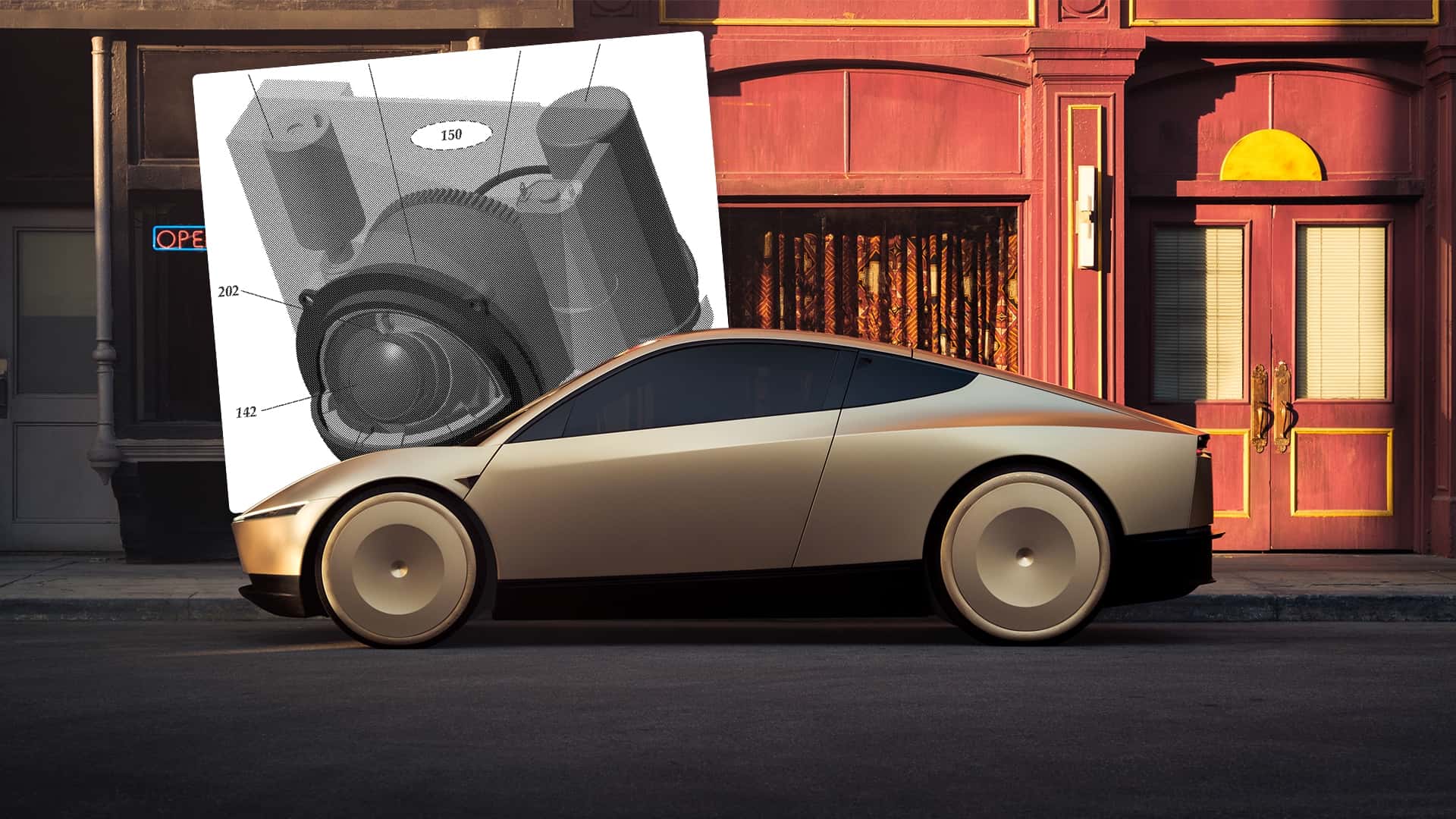
Tesla Develops Patent for Eye-Like Blinking Cameras
Updated June 8, 2026
3 min read
1 linked source
Tesla has filed a patent for a new camera system designed to mimic the blinking of a human eye. This innovation aims to enhance the functionality of Tesla's cameras, potentially improving their ability to clean themselves and maintain optimal performance. The full implications of this technology for Tesla vehicles and their users are still unclear.
Share this story
Why it matters
- ✓Improved camera performance could lead to better safety features in Tesla vehicles.
- ✓Self-cleaning capabilities may reduce maintenance needs for owners.
- ✓Enhanced camera functionality could improve the overall user experience with Tesla's advanced driver-assistance systems.
Reporting notes
EV Signal briefs are written to explain the verified change first, then add the context EV buyers and owners need to understand cost, availability, charging access, eligibility, or ownership impact.
If details are still developing, we try to say what is confirmed, what comes from secondary reporting, and what readers should verify before acting.
Source mix
1 linked source
1 media
Reviewed from: InsideEVs.
Tesla's Eye-Like Camera Technology
Tesla has recently filed a patent that proposes a revolutionary camera system designed to blink like a human eye. This innovative approach aims to enhance the functionality of Tesla's cameras, particularly in terms of self-cleaning and maintaining optimal performance. While the details of this technology are still emerging, it represents a significant step forward in how Tesla is looking to improve its vehicle systems.
What Changed
The core of Tesla's new patent revolves around the concept of creating cameras that can mimic the natural blinking of human eyes. This functionality could allow the cameras to clean themselves automatically, potentially improving their performance in various driving conditions. The patent suggests that this technology could help maintain clear visibility for the cameras, which are critical for the operation of Tesla's advanced driver-assistance systems (ADAS).
Why It Matters for Buyers and Owners
- Safety Enhancements: Improved camera performance could lead to better safety features in Tesla vehicles, as clearer camera feeds are essential for accurate object detection and navigation.
- Reduced Maintenance: The self-cleaning capabilities proposed in the patent may reduce the need for manual cleaning, thereby lowering maintenance efforts for owners.
- User Experience: Enhanced camera functionality could improve the overall user experience with Tesla's ADAS, making features like Autopilot more reliable and effective.
Key Details from Source Material
According to InsideEVs, while the patent demonstrates Tesla's commitment to advancing its technology, it does not guarantee that the system will be implemented in future vehicles. The effectiveness of this blinking camera system in real-world applications remains to be seen. Tesla has a history of pursuing innovative technologies, but not all patents lead to production models.
What to Watch Next
As Tesla continues to develop this technology, it will be important to monitor any announcements regarding its implementation in upcoming vehicle models. Additionally, observing how this technology performs in real-world scenarios will provide insights into its effectiveness and potential benefits for Tesla owners. Keep an eye on future updates from Tesla regarding their advancements in camera technology and any related features that may enhance the driving experience.
Sources
These are the documents and reports used to build this brief so readers can verify the story directly.
- Tesla Wants Its Cameras To Blink Like a Human Eye — InsideEVsMEDIA
Comments
Log in with
Loading comments…
More in Software
Mercedes Partners with Wayve for Advanced Driver Assistance System
Mercedes-Benz has announced a collaboration with Wayve to develop a driver assistance system…
1d ago
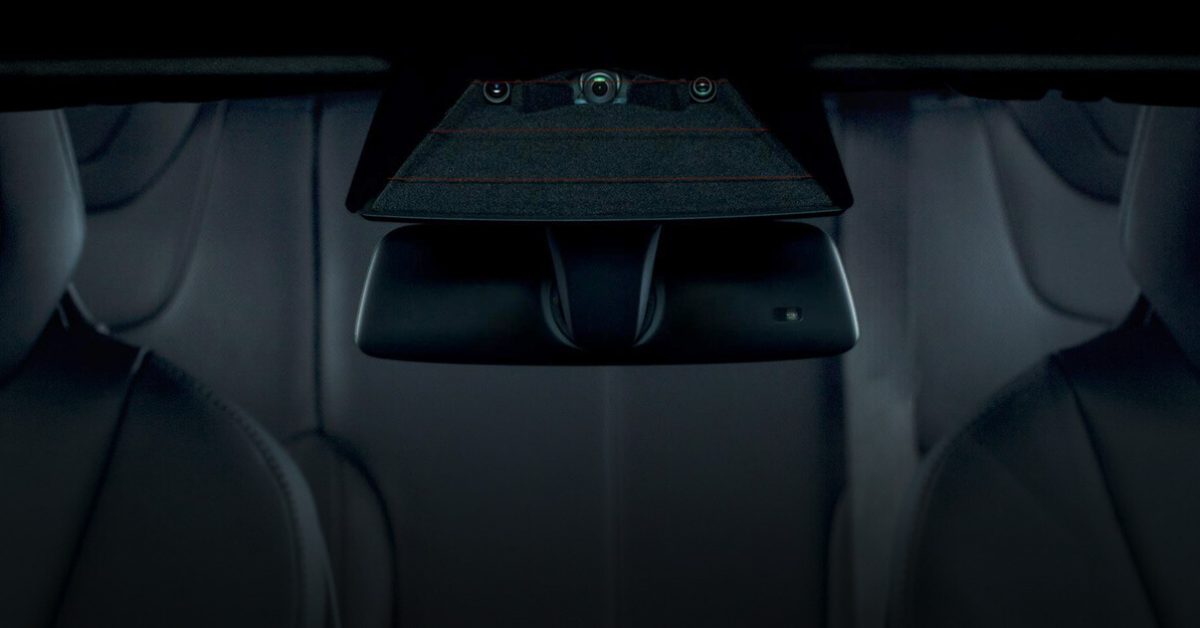
Tesla Full Self-Driving Update Issues False Camera Alerts
Tesla's latest Full Self-Driving update, version 14.3.9, is erroneously alerting owners that their…
1d ago
Mercedes-Benz Partners with Wayve for AI Driver Integration in Future Vehicles
Mercedes-Benz has finalized a production agreement with Wayve, a British self-driving startup, to…
1d ago
Tesla Cybercab Faces Navigation Issues Similar to Existing Tesla Models
Tesla's new Cybercab robotaxis are reportedly experiencing navigation problems, taking unusual…
2d ago