Tesla Designed The Cybercab To Use LFP Cells In The Future
Tesla has engineered the battery pack for its upcoming Cybercab with future lithium iron phosphate (LFP) battery chemistry in mind. This design choice indicates a strategic move towards more cost-effective battery solutions, potentially impacting the overall pricing and availability of the Cybercab. However, specific details about the timeline or exact specifications of the LFP cells remain unclear.

Key takeaways
30-second read- 1LFP batteries are generally cheaper than traditional lithium-ion batteries, which could lower the purchase price of the Cybercab.
- 2The use of LFP cells may enhance the vehicle's longevity and safety, appealing to budget-conscious buyers.
- 3As Tesla moves towards LFP technology, it may influence the broader EV market, prompting other manufacturers to consider similar battery chemistries.
Confirmed
No official source linked yet
Reported
Secondary reporting: InsideEVs
Verify yourself
Eligibility, local prices and dates for your car, state or utility
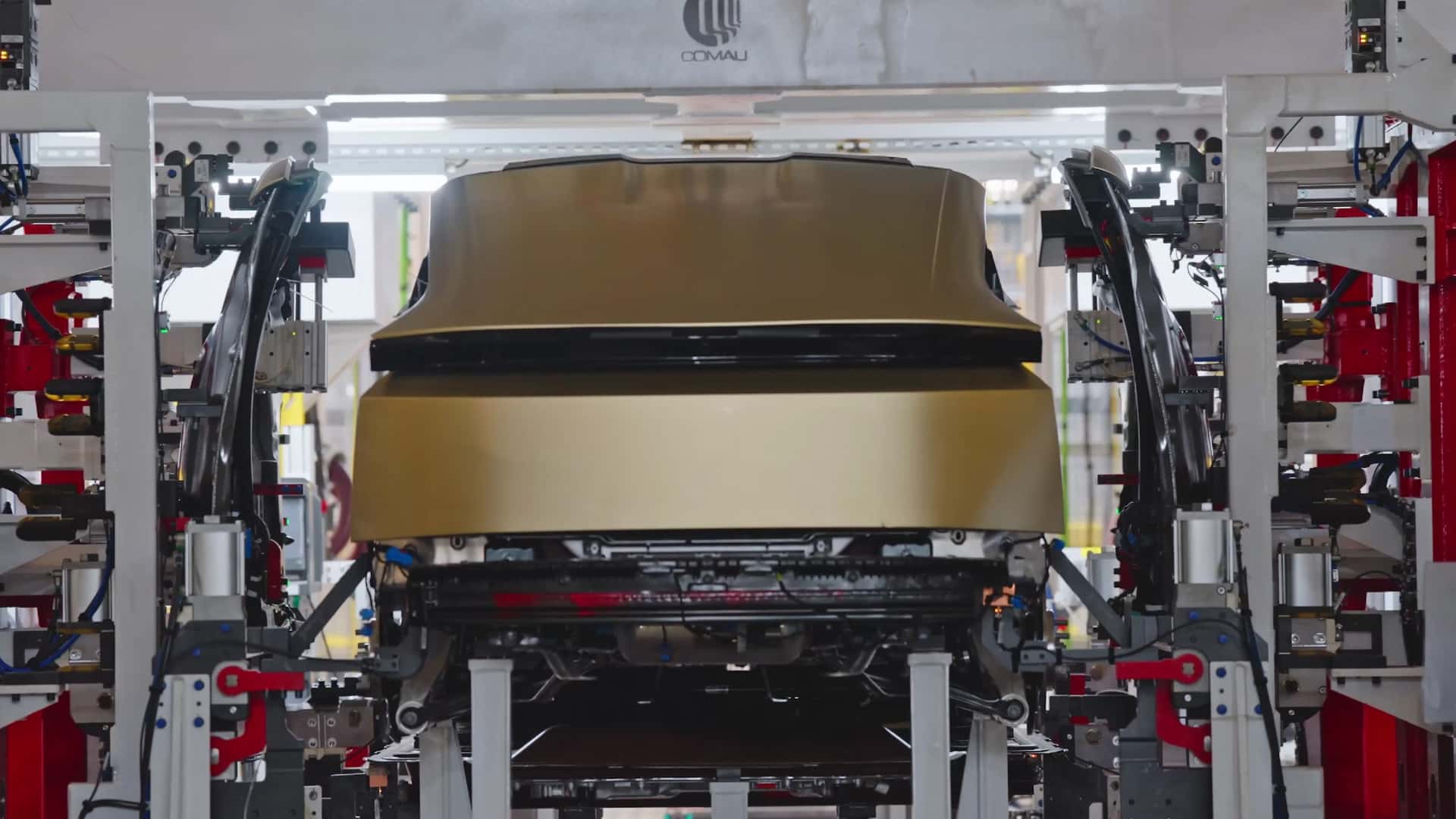
Tesla's Strategic Battery Design for the Cybercab
Tesla has designed the battery pack for its forthcoming Cybercab with a focus on future lithium iron phosphate (LFP) battery chemistry. This decision reflects Tesla's commitment to evolving its technology to enhance performance and affordability for consumers.
What Changed
The primary change is Tesla's intentional design of the Cybercab's battery system to accommodate LFP cells. LFP batteries are known for their cost-effectiveness and safety, making them an attractive option for electric vehicles. This strategic choice suggests that Tesla is preparing to leverage these benefits in its upcoming Cybercab model.
Why It Matters for Buyers and Owners
The implications of this design choice are significant for potential buyers and current EV owners:
- Cost Reduction: LFP batteries are typically less expensive to produce than traditional lithium-ion batteries. This could lead to a lower purchase price for the Cybercab, making it more accessible to a broader range of consumers.
- Enhanced Longevity and Safety: LFP batteries are known for their stability and longer lifespan, which could translate to lower ownership costs over time and increased safety for drivers.
- Market Influence: Tesla's shift towards LFP technology could encourage other manufacturers to adopt similar battery chemistries, potentially reshaping the EV market landscape.
Key Details from Source Material
According to InsideEVs, Tesla's design of the Cybercab's battery pack is a deliberate move towards integrating LFP chemistry in the future. While the specifics regarding the timeline for the Cybercab's release or the exact specifications of the LFP cells have not been disclosed, the emphasis on this battery technology indicates a forward-thinking approach by Tesla.
What to Watch Next
As Tesla continues to develop the Cybercab, it will be important to monitor any announcements regarding the timeline for its release and further details on the battery specifications. Additionally, observing how this shift influences pricing strategies and the broader EV market will provide valuable insights for consumers and industry stakeholders alike.
In conclusion, Tesla's design choice for the Cybercab represents a significant step towards more affordable and efficient electric vehicles, although further details are still awaited.
Sources
1 media- [1]Tesla Designed The Cybercab To Use LFP Cells In The FutureMedia
InsideEVs · insideevs.com · published Oct 26
Newsletter
Weekly EV signal. No spam.
Comments
Log in with
Loading comments…