Tesla Cybercab's Limitations Cause Significant Detour in Austin Trip
Updated September 14, 2026
3 min read
1 linked source
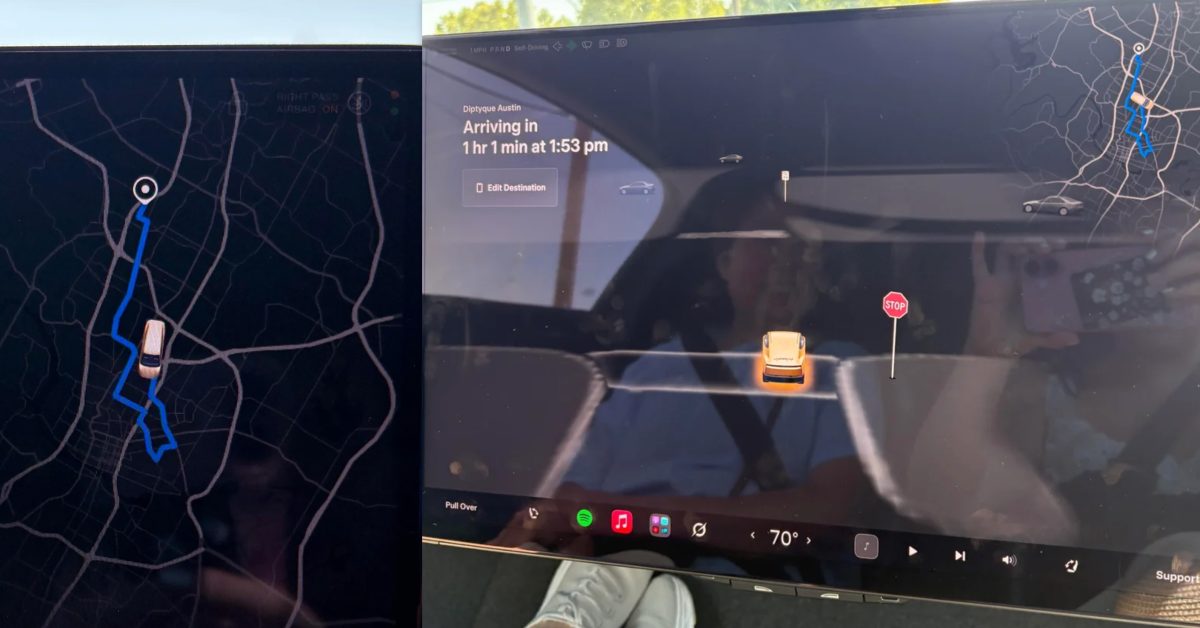
A Tesla Cybercab rider in Austin experienced a 10-minute trip that turned into a 70-minute detour due to the vehicle's inability to drive on highways. This limitation highlights ongoing challenges with Tesla's autonomous taxi service, which relies on surface streets for navigation. The incident raises concerns for potential riders about the efficiency of the service.
Share this story
Why it matters
- ✓Potential riders may face longer travel times, impacting the convenience of using Tesla's Cybercab service.
- ✓The inability to use highways could deter some users from choosing Tesla's autonomous taxi option, affecting overall demand.
- ✓Understanding these limitations is crucial for EV buyers and owners considering the practicality of autonomous driving features.
Reporting notes
EV Signal briefs are written to explain the verified change first, then add the context EV buyers and owners need to understand cost, availability, charging access, eligibility, or ownership impact.
If details are still developing, we try to say what is confirmed, what comes from secondary reporting, and what readers should verify before acting.
Source mix
1 linked source
1 media
Reviewed from: Electrek.
Tesla Cybercab's Limitations Cause Significant Detour in Austin Trip
A recent incident in Austin has highlighted a significant limitation of Tesla's Cybercab service. A rider reported that what should have been a 10-minute trip turned into a frustrating 70-minute detour due to the vehicle's inability to navigate on highways. This issue underscores ongoing challenges with Tesla's autonomous taxi service, which is currently restricted to surface streets.
What Changed
The rider's experience illustrates a critical flaw in Tesla's robotaxi technology. Unlike human drivers who can quickly opt for freeway routes to avoid traffic and reduce travel time, the Cybercab is programmed to avoid highways altogether. This limitation means that shorter trips can become unnecessarily lengthy, as the vehicle navigates through a series of winding surface streets instead of taking a more direct route.
Why It Matters for Buyers and Owners
- Efficiency Concerns: The longer travel times associated with the Cybercab service may deter potential users from relying on Tesla's autonomous taxis for quick trips, impacting the overall convenience of the service.
- Demand Implications: If users find the service inefficient, it could affect demand for Tesla's Cybercab, which may influence Tesla's future developments in autonomous driving technology.
- Practical Considerations: For EV buyers and owners considering the Cybercab service, understanding these limitations is crucial for assessing the practicality and reliability of Tesla's autonomous driving features.
Key Details from Source Material
According to Electrek, the incident serves as a reminder of the limitations that Tesla has yet to resolve with its robotaxi technology. The inability to utilize highways for navigation is a significant drawback that can lead to longer travel times, as evidenced by the rider's experience in Austin. This situation raises questions about the viability of Tesla's autonomous taxi service in urban environments where quick travel is often essential.
What to Watch Next
As Tesla continues to develop its autonomous driving capabilities, it will be important to monitor any updates regarding improvements to the Cybercab service. Future enhancements may address the current limitations, potentially allowing for highway navigation and more efficient travel. For now, potential riders should be aware of the current constraints and consider them when planning their trips using Tesla's Cybercab.
Sources
These are the documents and reports used to build this brief so readers can verify the story directly.
- Tesla Cybercab turns 10-minute Austin trip into 70-minute detour — ElectrekMEDIA
Comments
Log in with
Loading comments…
More in Software
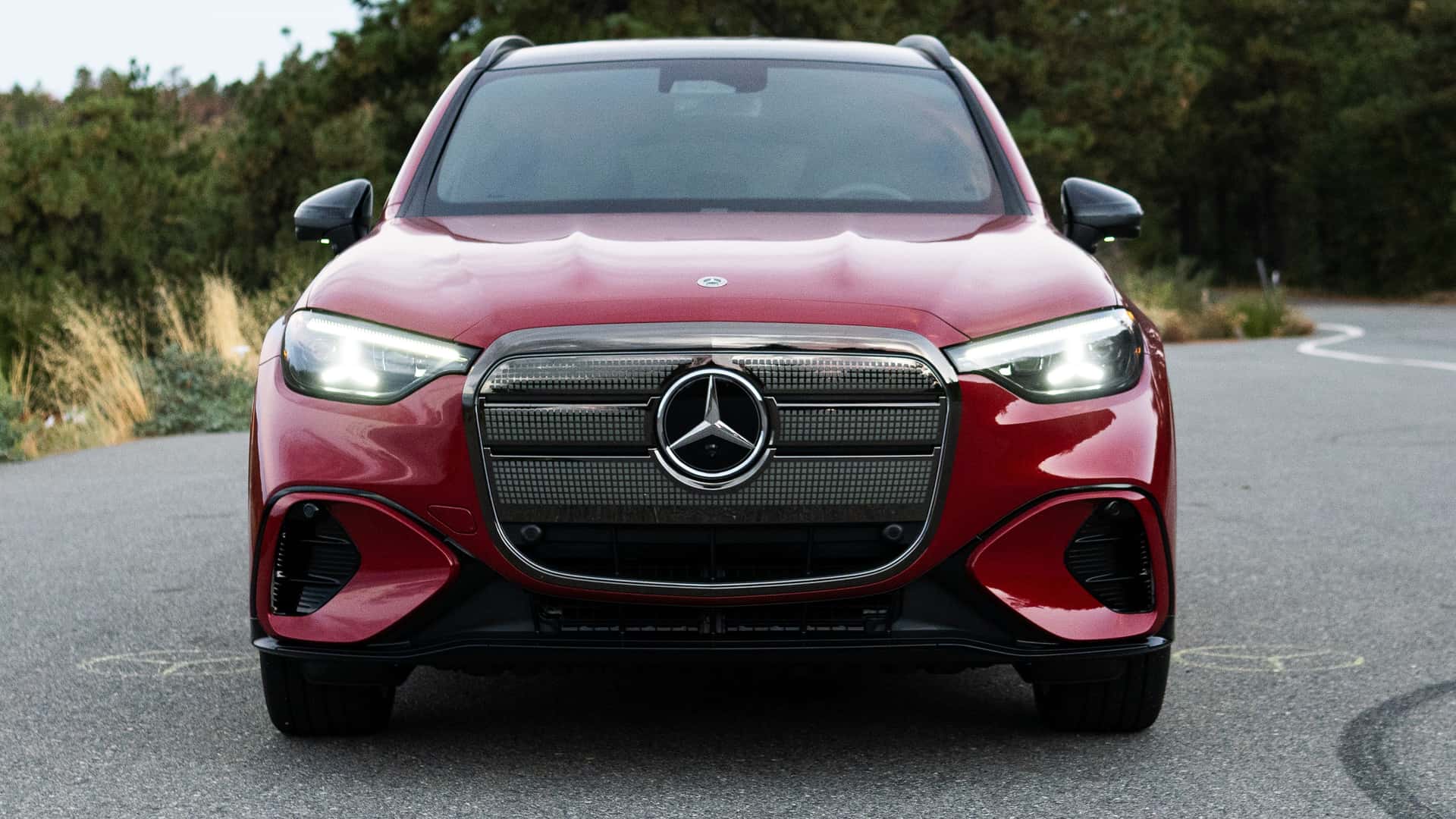
Mercedes Partners with Wayve for Advanced Driver Assistance System
Mercedes-Benz has announced a collaboration with Wayve to develop a driver assistance system…
1d ago
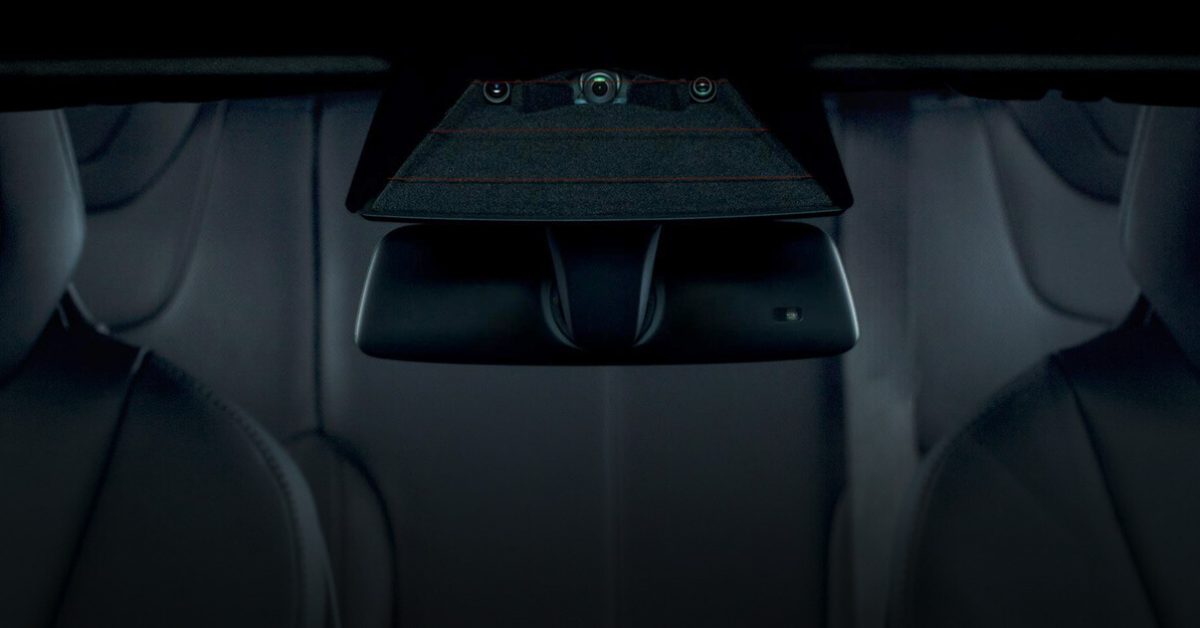
Tesla Full Self-Driving Update Issues False Camera Alerts
Tesla's latest Full Self-Driving update, version 14.3.9, is erroneously alerting owners that their…
1d ago

Mercedes-Benz Partners with Wayve for AI Driver Integration in Future Vehicles
Mercedes-Benz has finalized a production agreement with Wayve, a British self-driving startup, to…
1d ago
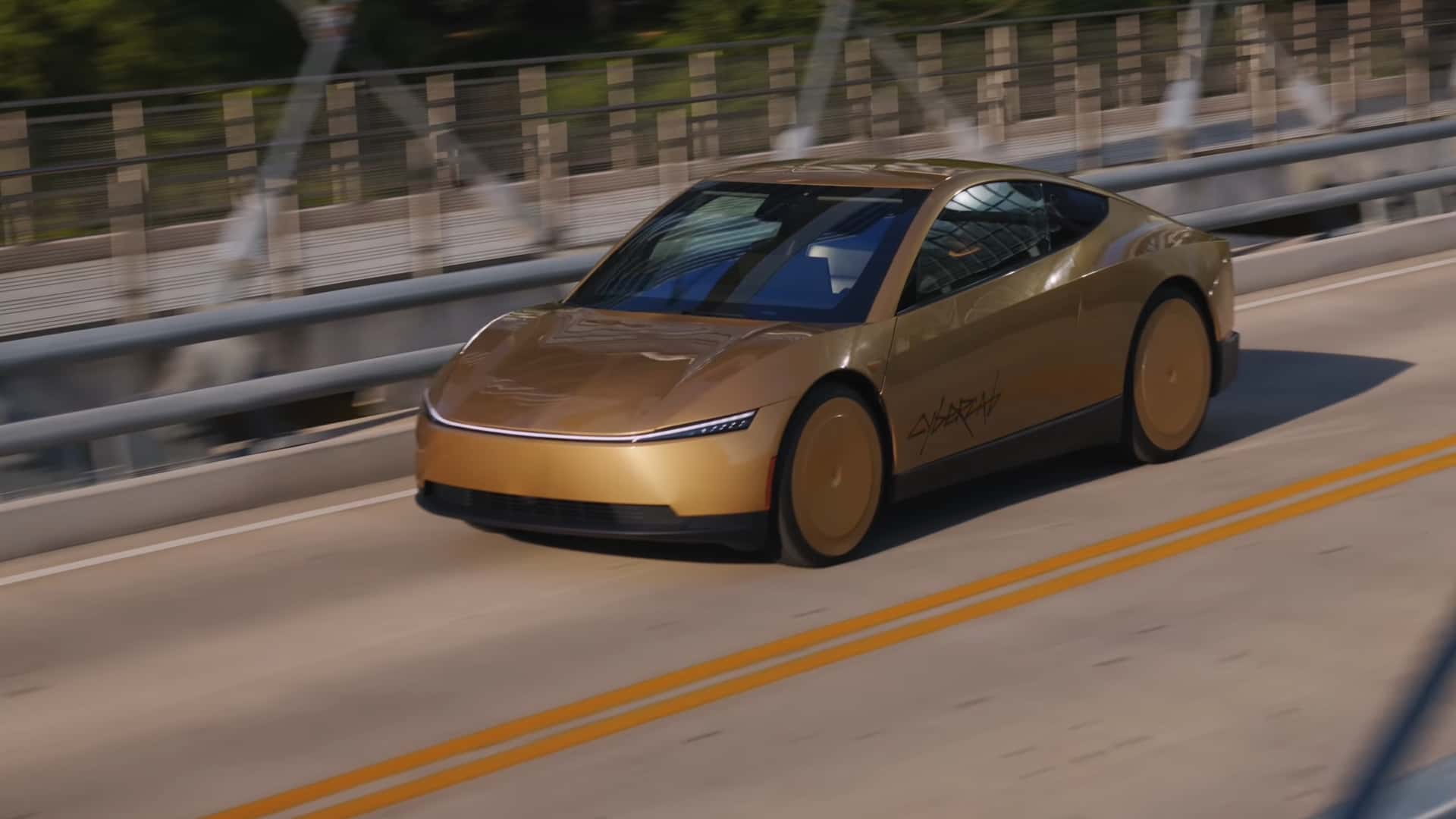
Tesla Cybercab Faces Navigation Issues Similar to Existing Tesla Models
Tesla's new Cybercab robotaxis are reportedly experiencing navigation problems, taking unusual…
2d ago