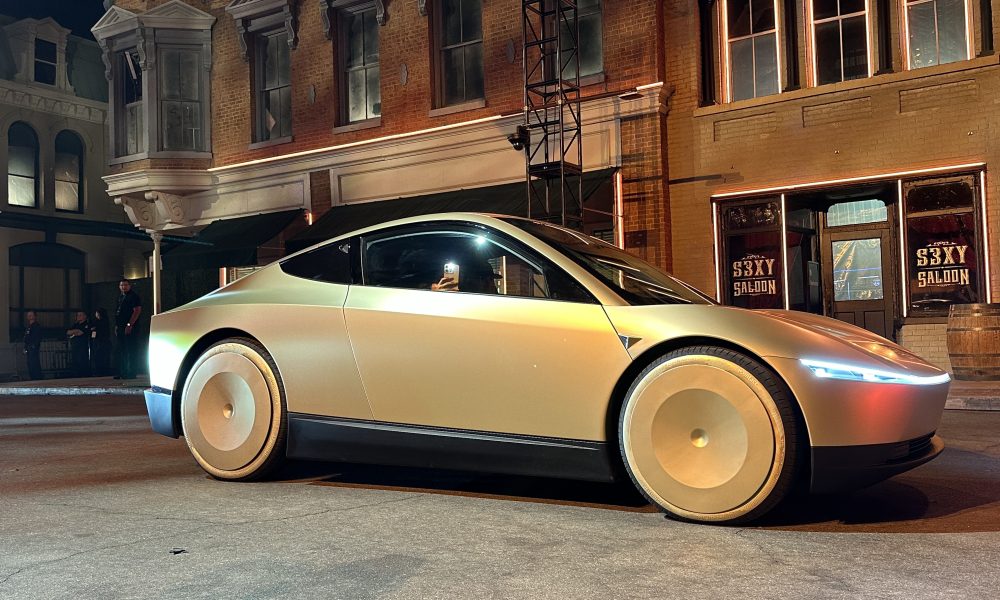
Tesla Cybercab Fleet Doubles to Over 100 Units in Austin

Edited by Ionna Brakeley
Charging & Ownership
Updated September 28, 2026
3 min read
1 linked source
Tesla has expanded its Cybercab fleet as part of its Robotaxi program in Austin, Texas, doubling the number of units to well over 100. This increase enhances the availability of its autonomous, steering-wheel-less vehicles in the ride-sharing market, which Tesla has been operating for the past year. The full implications of this expansion for riders and the broader market remain to be seen.
Share this story
Why it matters
- ✓Increased availability of autonomous ride-sharing options may provide more convenience for users in Austin.
- ✓The expansion could influence the pricing and competition within the local ride-sharing market.
- ✓Potential for Tesla owners to benefit from the Robotaxi program if it expands to include personal vehicles in the future.
Tesla Cybercab Fleet Doubles to Over 100 Units
Tesla has officially doubled the size of its Cybercab fleet in Austin, Texas, as part of its ongoing Robotaxi program, bringing the total number of units to well over 100. This significant increase in fleet size marks a notable step in Tesla's efforts to establish a robust autonomous ride-sharing service, which has been operational for approximately one year.
What Changed
The recent expansion of the Cybercab fleet reflects Tesla's commitment to enhancing its Robotaxi initiative. With over 100 Cybercabs now in operation, Tesla aims to provide more options for riders seeking autonomous transportation solutions. These vehicles are designed without traditional steering wheels or pedals, emphasizing their fully autonomous capabilities.
Why It Matters for Buyers and Owners
The doubling of the Cybercab fleet could have several implications for electric vehicle (EV) buyers and owners:
- Increased Availability: With more Cybercabs on the road, users in Austin may find it easier to access ride-sharing services, potentially reducing wait times and improving service reliability.
- Market Competition: The expansion may influence pricing strategies within the local ride-sharing market, as Tesla competes with traditional services and other EV-based options.
- Future Opportunities: If the Robotaxi program proves successful, it could pave the way for Tesla owners to participate in the ride-sharing economy, allowing them to earn income from their vehicles when not in use.
Key Details from Source Material
According to a report from Teslarati, the Cybercab fleet's expansion occurred over the weekend, indicating a rapid scaling of Tesla's autonomous vehicle operations. The company has been operating its Robotaxi program in Austin for about a year, and this fleet growth suggests a strategic move to solidify its presence in the ride-sharing sector.
What to Watch Next
As Tesla continues to develop its Robotaxi program, it will be important to monitor how the expanded fleet impacts user experience and market dynamics in Austin. Key areas to watch include:
- User Feedback: How riders respond to the increased availability of Cybercabs and their experiences with the autonomous technology.
- Regulatory Developments: Any changes in local regulations that could affect the operation of autonomous vehicles in ride-sharing.
- Future Expansion: Whether Tesla plans to roll out similar expansions in other cities or regions, and how this might affect the overall landscape of autonomous ride-sharing.
In conclusion, Tesla's doubling of its Cybercab fleet represents a significant milestone in the company's efforts to revolutionize transportation through autonomous technology. While the immediate effects are localized to Austin, the implications for EV buyers and owners could be far-reaching as the program evolves.
Sources
These are the documents and reports used to build this brief so readers can verify the story directly.
- Tesla Cybercab fleet doubles to well over 100 units — TeslaratiMEDIA
Reporting notes
EV Signal briefs are written to explain the verified change first, then add the context EV buyers and owners need to understand cost, availability, charging access, eligibility, or ownership impact.
If details are still developing, we try to say what is confirmed, what comes from secondary reporting, and what readers should verify before acting.
Source mix
1 linked source
1 media
Reviewed from: Teslarati.
Comments
Log in with
Loading comments…
More in Ownership

Neo Performance Materials Begins EV Magnet Production in Estonia
Neo Performance Materials has commenced commercial production of rare earth sintered magnets at its…
1h ago

Siemens Canada to Develop Digital Twin for Rock Tech's Lithium Converter
Rock Tech Lithium has partnered with Siemens Canada to create a digital twin of its upcoming Red…
1h ago

Electric Trucks More Cost-Effective Than Diesel in Nearly Half of EU Markets
A new analysis reveals that electric trucks offer a lower total cost of ownership (TCO) compared to…
1h ago

Leipzig's Hydrogen Garbage Trucks Fail Operational Test
Leipzig's hydrogen-powered garbage trucks have not met the operational requirements necessary for…
1h ago