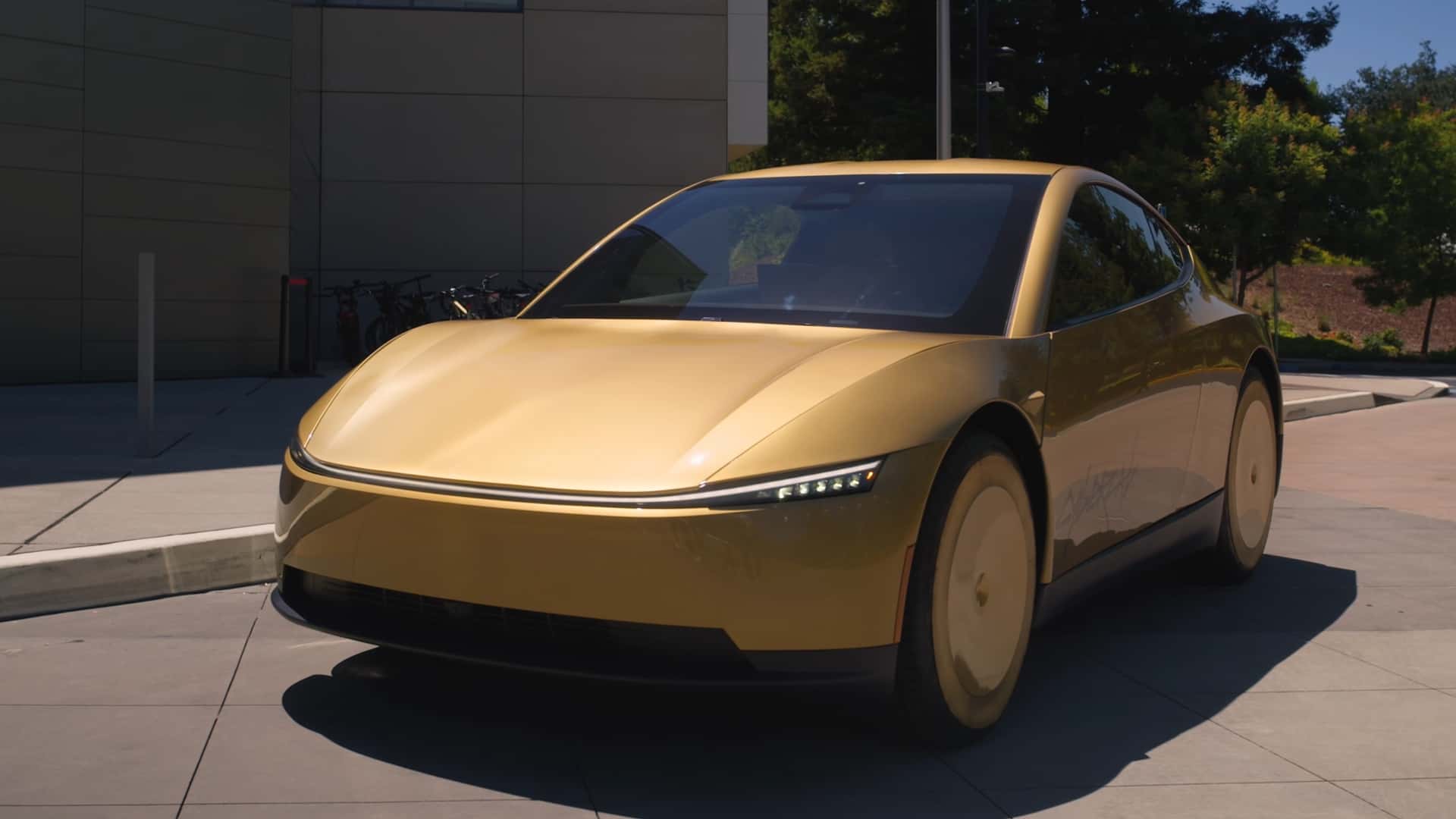
Tesla Cybercab Features Unique Brake System Without Traditional Components
Updated September 4, 2026
3 min read
1 linked source
The Tesla Cybercab, a two-seater electric vehicle, does not utilize traditional brake lines or brake fluid, marking a significant departure from conventional braking systems. Instead, the vehicle's design eliminates the need for a steering wheel and pedals, necessitating a rethinking of how braking and steering are controlled. This innovative approach may affect how drivers interact with the vehicle, but details on its operational reliability are still emerging.
Share this story
Why it matters
- ✓The absence of traditional brake components could lead to lower maintenance costs for owners.
- ✓Potential buyers may need to adjust their expectations regarding vehicle control and operation due to the lack of conventional steering and braking mechanisms.
- ✓This design could influence the overall driving experience, particularly for those accustomed to traditional vehicles.
Reporting notes
EV Signal briefs are written to explain the verified change first, then add the context EV buyers and owners need to understand cost, availability, charging access, eligibility, or ownership impact.
If details are still developing, we try to say what is confirmed, what comes from secondary reporting, and what readers should verify before acting.
Source mix
1 linked source
1 media
Reviewed from: InsideEVs.
Tesla Cybercab's Innovative Braking System
The Tesla Cybercab, a new two-seater electric vehicle, introduces a groundbreaking approach to its braking system by eliminating traditional brake lines and brake fluid. This design choice is part of a broader rethinking of vehicle control, as the Cybercab also lacks a steering wheel and pedals, which are standard in most vehicles. This departure from conventional automotive design raises questions about how drivers will interact with the vehicle and the implications for safety and maintenance.
What Changed
In a significant shift from traditional automotive engineering, the Tesla Cybercab does not incorporate standard brake lines or brake fluid. Instead, the vehicle's braking and steering systems have been redesigned to function without these components. This change is particularly noteworthy given that most vehicles rely heavily on hydraulic systems for braking, which include brake lines and fluid to transmit force from the brake pedal to the brakes themselves.
Why It Matters for Buyers/Owners
The implications of this innovative braking system for potential buyers and current EV owners are multifaceted:
- Maintenance Costs: The absence of traditional brake components could lead to lower maintenance costs over time, as there are fewer parts that may require replacement or repair.
- Driving Experience: Buyers may need to adjust their expectations regarding vehicle control. The lack of a steering wheel and pedals means that the driving experience will be different from what most consumers are accustomed to.
- Safety and Reliability: As details about the operational reliability of this new system are still emerging, potential buyers may have concerns about the safety and effectiveness of the Cybercab's braking capabilities.
Key Details from Source Material
According to InsideEVs, the Cybercab's design reflects Tesla's commitment to innovation and rethinking traditional vehicle layouts. The absence of a steering wheel and pedals suggests that the vehicle may rely on advanced technology for navigation and control, potentially using software to manage these functions. However, specific details on how the braking system operates in practice, including its responsiveness and reliability, have not yet been fully disclosed.
What to Watch Next
As Tesla continues to develop the Cybercab, it will be important to monitor updates regarding the vehicle's performance, particularly concerning its braking and steering systems. Potential buyers should keep an eye on reviews and feedback from early adopters once the vehicle is released to understand how these innovative features perform in real-world conditions. Additionally, Tesla's communication regarding safety testing and operational guidelines will be crucial in addressing any concerns from consumers about this unconventional design.
Sources
These are the documents and reports used to build this brief so readers can verify the story directly.
Comments
Log in with
Loading comments…
More in Models & Pricing
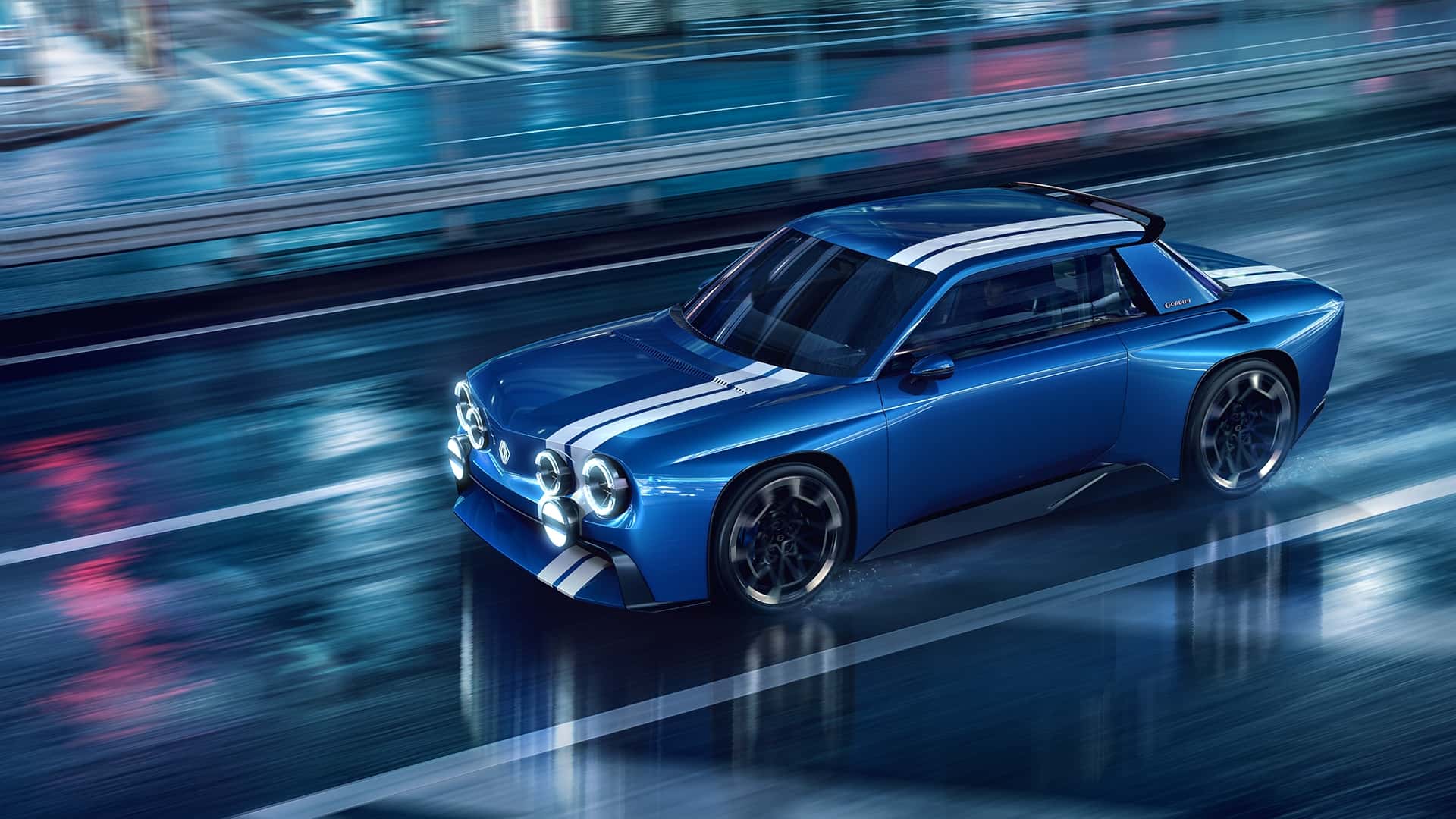
Renault 8 Gordini Returns as Rear-Wheel Drive EV
Renault has unveiled the return of the iconic Renault 8 Gordini as a rear-wheel drive electric…
Just now
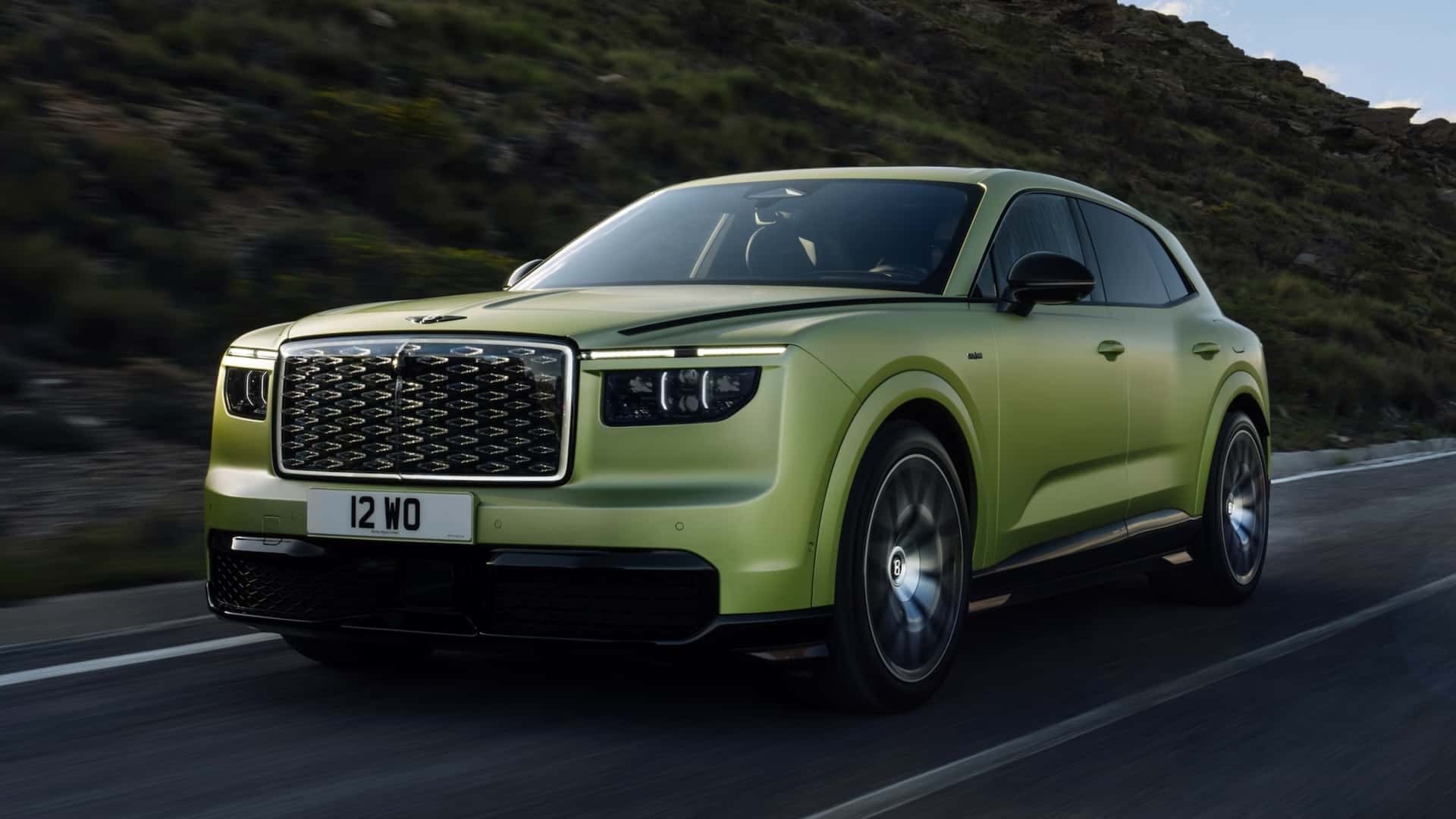
Bentley's First EV, the Torcal, Offers Rapid Charging Capabilities
Bentley has launched its first electric vehicle, the Torcal, a midsize SUV that boasts rapid…
12h ago
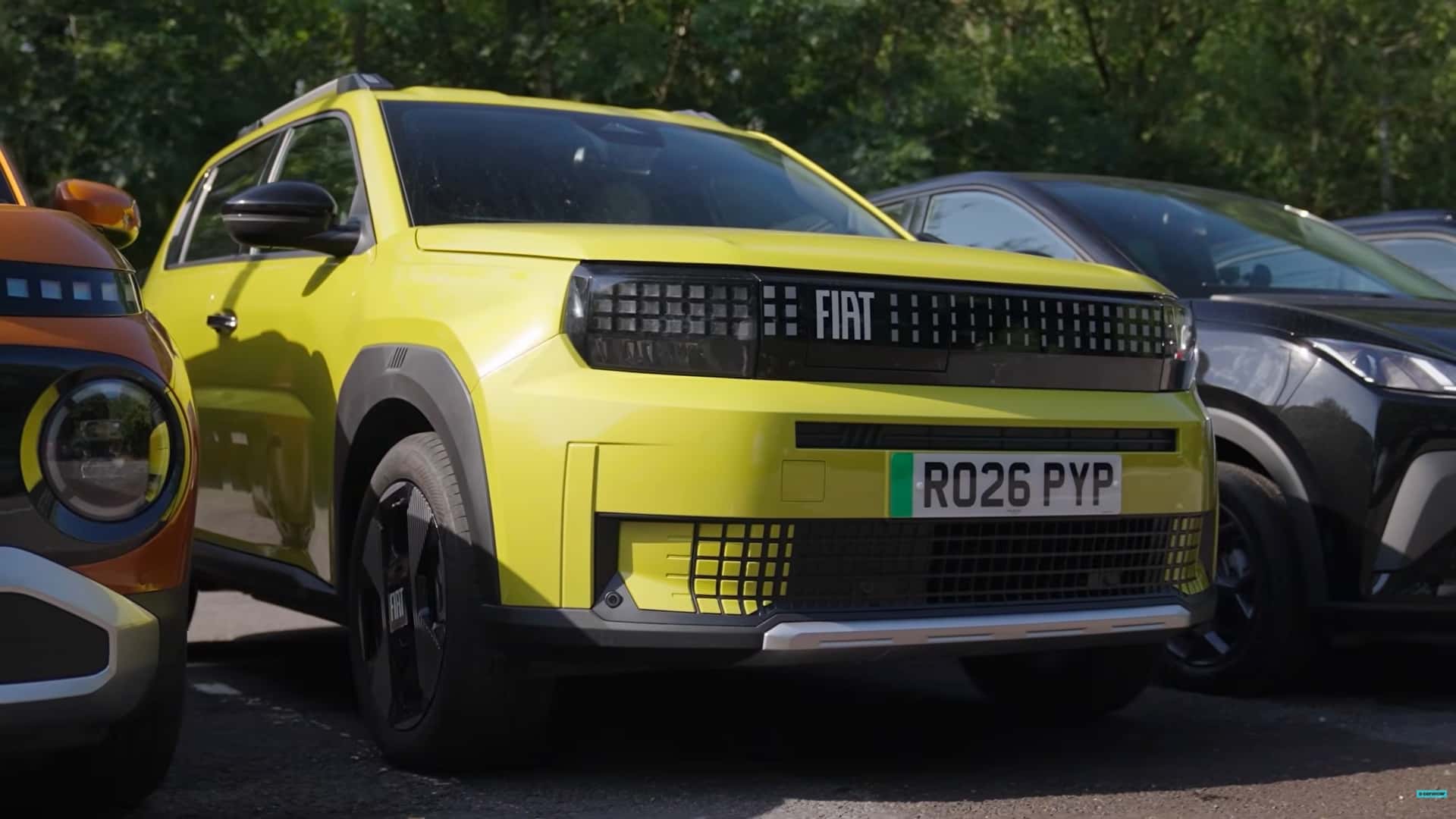
Fiat Grande Panda Outperforms Claimed Range in Real-World Test
In a recent highway range test, the Fiat Grande Panda exceeded its officially claimed range,…
12h ago
Bentley Launches Torcal, Its First All-Electric SUV
Bentley has officially unveiled the Torcal, marking its entry into the electric vehicle market.…
12h ago