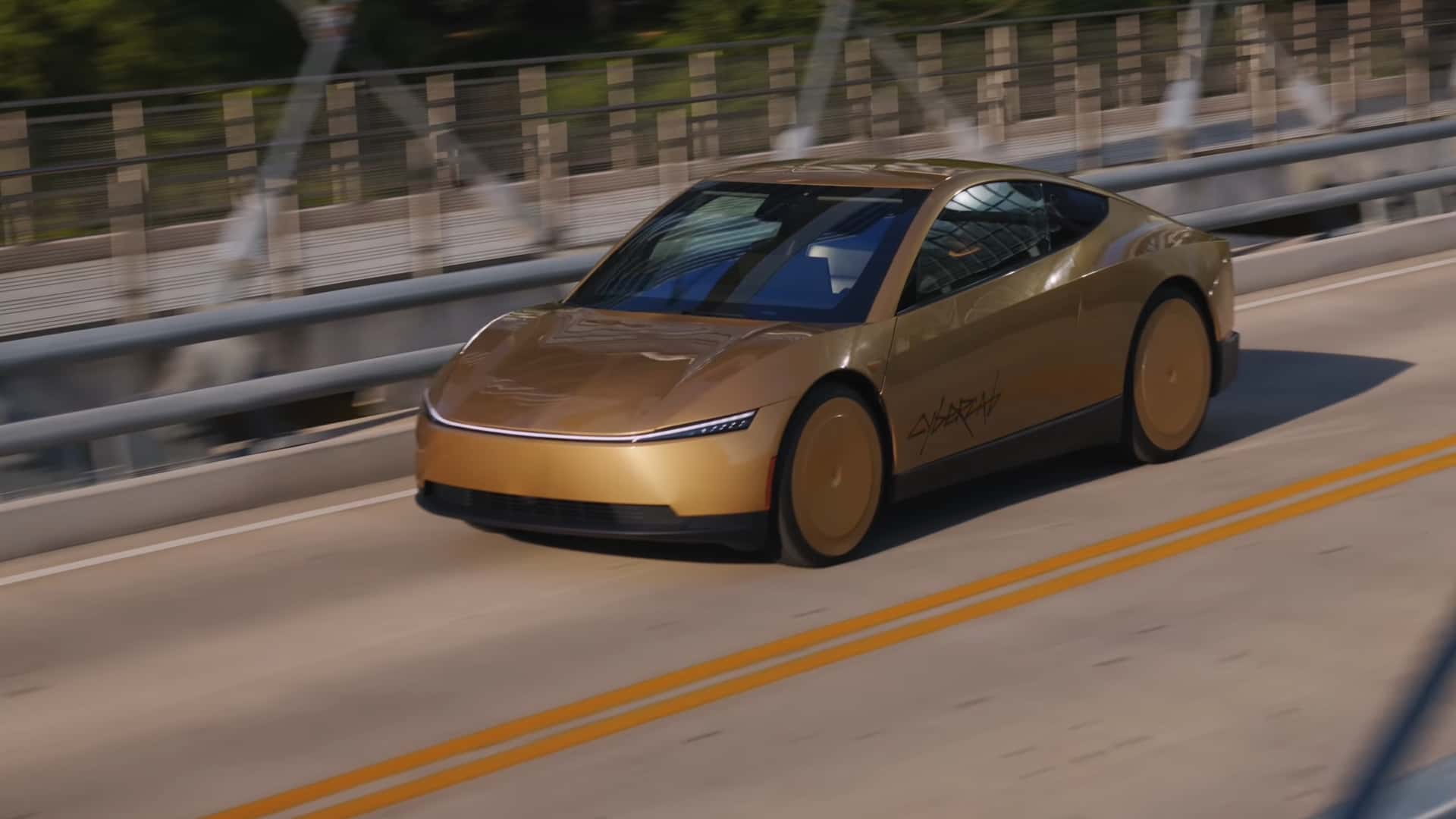
Tesla Cybercab Faces Navigation Issues Similar to Existing Tesla Models
Updated September 22, 2026
3 min read
1 linked source
Tesla's new Cybercab robotaxis are reportedly experiencing navigation problems, taking unusual routes that have been a long-standing complaint among Tesla owners. This issue raises concerns for potential riders and highlights ongoing challenges with Tesla's navigation system. The extent of the problem and its impact on the Cybercab's performance remain uncertain.
Share this story
Why it matters
- ✓Navigation issues could affect rider satisfaction and trust in Tesla's autonomous driving capabilities.
- ✓Potential riders may reconsider using Cybercabs if navigation problems persist, impacting demand.
- ✓Ongoing navigation challenges could reflect on Tesla's overall brand reputation and influence future EV buyers.
Reporting notes
EV Signal briefs are written to explain the verified change first, then add the context EV buyers and owners need to understand cost, availability, charging access, eligibility, or ownership impact.
If details are still developing, we try to say what is confirmed, what comes from secondary reporting, and what readers should verify before acting.
Source mix
1 linked source
1 media
Reviewed from: InsideEVs.
Tesla Cybercab Inherits Navigation Challenges
Tesla's new Cybercab robotaxis are reportedly facing navigation issues reminiscent of those experienced by existing Tesla owners. Riders have noted that the Cybercabs are taking strange and inefficient routes, a problem that has been highlighted by Tesla owners for years. This raises important questions about the reliability of Tesla's navigation system, particularly as the company pushes forward with its autonomous vehicle initiatives.
What Changed
The primary change is the emergence of complaints from riders using Tesla's Cybercab service regarding its navigation capabilities. Reports indicate that these robotaxis are not only taking longer routes but also making unexpected detours, which mirrors the frustrations many Tesla owners have expressed about their vehicles' navigation systems. This issue is particularly concerning as Tesla aims to establish itself in the autonomous taxi market.
Why It Matters for Buyers and Owners
-
Rider Satisfaction: Navigation issues could significantly impact rider satisfaction and trust in Tesla's autonomous driving capabilities. If riders find that the Cybercab service is unreliable, they may be less likely to use it in the future.
-
Demand for Cybercabs: Persistent navigation problems could lead potential riders to reconsider their options, affecting demand for the Cybercab service. If users perceive the service as unreliable, it could hinder Tesla's market penetration in the autonomous taxi sector.
-
Brand Reputation: Ongoing navigation challenges may reflect poorly on Tesla's overall brand reputation. As the company continues to innovate and expand its offerings, maintaining a strong reputation for reliability is crucial for attracting both riders and future EV buyers.
Key Details from Source Material
According to a report from InsideEVs, riders have been vocal about their experiences with the Cybercab's navigation system. The issues reported are not new; they echo long-standing complaints from Tesla owners regarding the navigation capabilities of their vehicles. This pattern suggests that the problems may stem from the underlying software that powers Tesla's navigation system, rather than being isolated to the Cybercab.
What to Watch Next
As Tesla continues to develop its Cybercab service, it will be important to monitor how the company addresses these navigation issues. Future updates to the software may provide improvements, but until then, the extent of the problem and its impact on the Cybercab's performance remain uncertain. Additionally, feedback from early users will be crucial in understanding how these navigation challenges affect overall rider experience and Tesla's reputation in the autonomous vehicle market.
In conclusion, while the Cybercab represents a significant step forward for Tesla in the realm of autonomous transportation, the navigation issues it has inherited from existing models pose a challenge that the company must address to ensure user satisfaction and market success.
Sources
These are the documents and reports used to build this brief so readers can verify the story directly.
Comments
Log in with
Loading comments…
More in Software
Mercedes Partners with Wayve for Advanced Driver Assistance System
Mercedes-Benz has announced a collaboration with Wayve to develop a driver assistance system…
1d ago
Tesla Full Self-Driving Update Issues False Camera Alerts
Tesla's latest Full Self-Driving update, version 14.3.9, is erroneously alerting owners that their…
1d ago
Mercedes-Benz Partners with Wayve for AI Driver Integration in Future Vehicles
Mercedes-Benz has finalized a production agreement with Wayve, a British self-driving startup, to…
1d ago
XPeng Licenses Self-Driving Technology to Automakers, Unlike Tesla's Experience
XPeng is actively seeking to license its self-driving and smart-cockpit technology to various…
5d ago