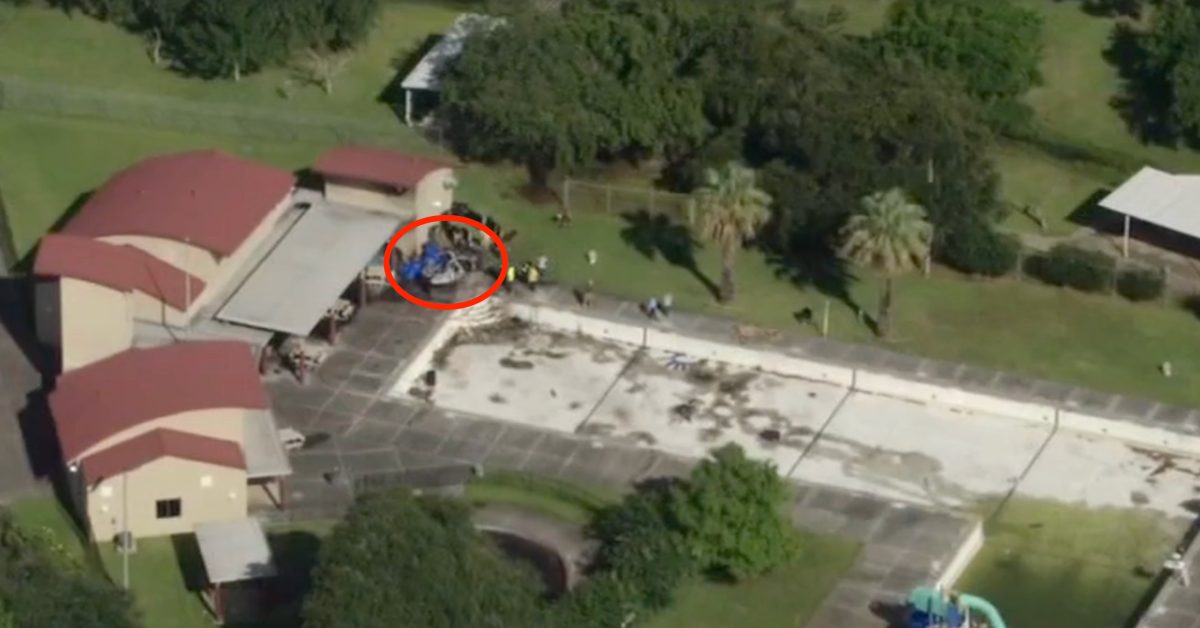
Tesla Confirms Autopilot/FSD Active in Fatal Clute Crash
Updated August 31, 2026
3 min read
1 linked source
Tesla has confirmed that its Autopilot and Full Self-Driving (FSD) systems were engaged during a fatal crash involving a Model 3 in Clute, Texas, where the vehicle was traveling at 104 mph. This information was not included in initial police reports or news coverage of the incident, raising concerns about transparency regarding the safety of Tesla's driver-assist technologies.
Share this story
Why it matters
- ✓The confirmation of Autopilot/FSD engagement in fatal incidents may impact public perception of Tesla's safety features.
- ✓Potential implications for insurance rates and liability in accidents involving Tesla's driver-assist systems.
- ✓Increased scrutiny from regulators could lead to changes in how Tesla markets its Autopilot and FSD capabilities.
Reporting notes
EV Signal briefs are written to explain the verified change first, then add the context EV buyers and owners need to understand cost, availability, charging access, eligibility, or ownership impact.
If details are still developing, we try to say what is confirmed, what comes from secondary reporting, and what readers should verify before acting.
Source mix
1 linked source
1 media
Reviewed from: Electrek.
Tesla Confirms Autopilot/FSD Active in Fatal Clute Crash
Tesla has officially stated that its Autopilot and Full Self-Driving (FSD) systems were "verified engaged" during a tragic crash in Clute, Texas, where a Model 3 was traveling at 104 mph and resulted in the death of the driver. This critical detail was not mentioned in any initial police statements or news reports following the incident, which occurred in May 2026. This revelation highlights a significant gap in the information available to the public regarding accidents involving Tesla's advanced driver-assist technologies.
What Changed
The key change is Tesla's acknowledgment that its driver-assist systems were active during the fatal crash. This information contrasts sharply with the earlier public accounts of the incident, which did not mention the engagement of Autopilot or FSD. The lack of transparency surrounding the details of such incidents raises questions about how much information is disclosed to the public and regulators about the performance and safety of Tesla's technologies.
Why It Matters for Buyers/Owners
-
Public Perception: The confirmation that Autopilot/FSD was active during a fatal crash could negatively impact public trust in Tesla's safety features. Potential buyers may reconsider their decision to purchase a Tesla vehicle if they perceive the technology as unsafe.
-
Insurance and Liability: This incident could influence insurance rates for Tesla vehicles. If Autopilot is found to be a contributing factor in accidents, insurers may adjust their policies, leading to higher costs for Tesla owners.
-
Regulatory Scrutiny: Increased scrutiny from federal regulators could lead to stricter regulations for Tesla's driver-assist systems. This may affect the availability and marketing of Autopilot and FSD features, potentially altering the ownership experience for current and future Tesla drivers.
Key Details from Source Material
According to Electrek, Tesla's admission regarding the engagement of its driver-assist systems during the crash is a significant development in understanding the safety and reliability of its technologies. The crash, which occurred at a high speed, raises safety concerns that Tesla must address to maintain consumer confidence. The gap between Tesla's internal data and public information illustrates a broader issue regarding transparency in the automotive industry, especially concerning advanced driver-assist systems.
What to Watch Next
As investigations continue, it will be essential to monitor how this incident affects Tesla's public relations and regulatory standing. Observers should look for updates from federal regulators regarding any potential actions taken against Tesla, as well as any changes in how the company communicates about its Autopilot and FSD systems. Additionally, the response from the insurance industry could provide insights into how this incident may reshape the landscape for Tesla owners and potential buyers.
In conclusion, the confirmation of Autopilot/FSD engagement in a fatal crash raises significant questions about the safety and transparency of Tesla's driver-assist technologies. As more information becomes available, it will be crucial for current and prospective Tesla owners to stay informed about the implications for their vehicles and the broader EV market.
Sources
These are the documents and reports used to build this brief so readers can verify the story directly.
- Tesla confirms Autopilot/FSD was active in strange fatal crash — ElectrekMEDIA
Comments
Log in with
Loading comments…
More in Software
Mercedes Partners with Wayve for Advanced Driver Assistance System
Mercedes-Benz has announced a collaboration with Wayve to develop a driver assistance system…
1d ago
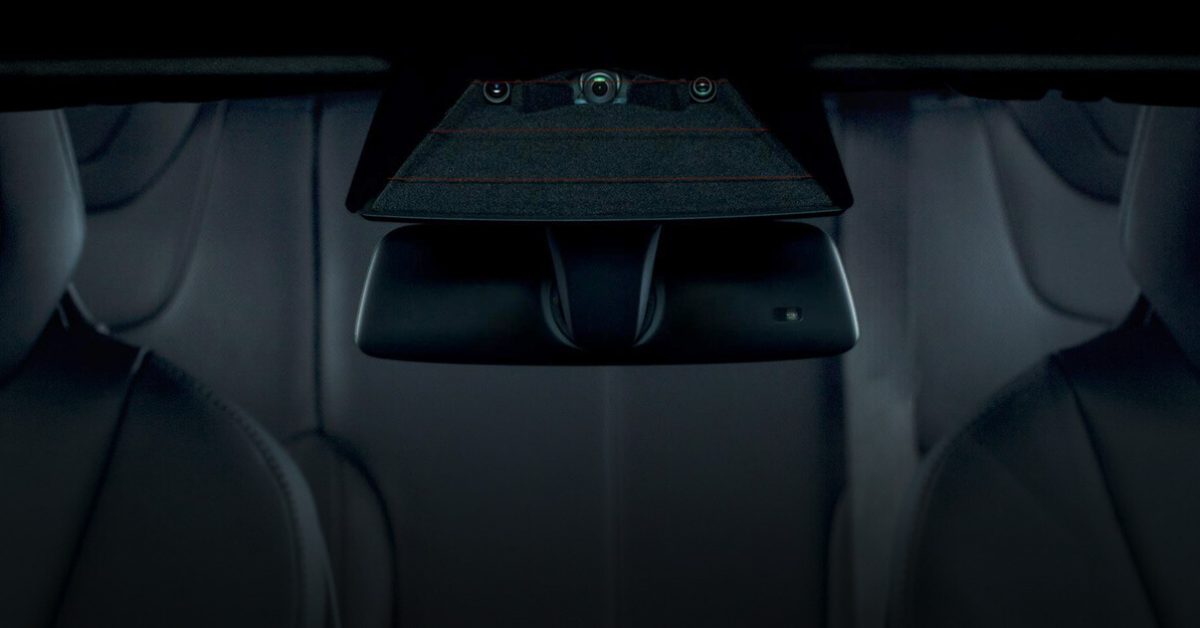
Tesla Full Self-Driving Update Issues False Camera Alerts
Tesla's latest Full Self-Driving update, version 14.3.9, is erroneously alerting owners that their…
1d ago
Mercedes-Benz Partners with Wayve for AI Driver Integration in Future Vehicles
Mercedes-Benz has finalized a production agreement with Wayve, a British self-driving startup, to…
1d ago
Tesla Cybercab Faces Navigation Issues Similar to Existing Tesla Models
Tesla's new Cybercab robotaxis are reportedly experiencing navigation problems, taking unusual…
2d ago