Tesla Cites Battery Supply Issues for Stagnant Sales Amid Falling Prices
Tesla has reported that its flat sales in Q3 2026 are primarily due to battery supply constraints rather than a lack of demand. Despite claiming to have the largest backlog for passenger vehicles in four years, the company's sales figures do not align with this assertion, raising questions about the actual demand for its vehicles.

Key takeaways
30-second read- 1Potential delays in vehicle availability could affect buyers looking to purchase a Tesla in the near future.
- 2Falling prices may make Tesla vehicles more accessible, but supply issues could limit the number of units available.
- 3Buyers may need to consider longer wait times for their orders due to battery supply limitations.
Confirmed
No official source linked yet
Reported
Secondary reporting: Electrek
Verify yourself
Eligibility, local prices and dates for your car, state or utility
Tesla's Sales Stagnation Due to Battery Supply
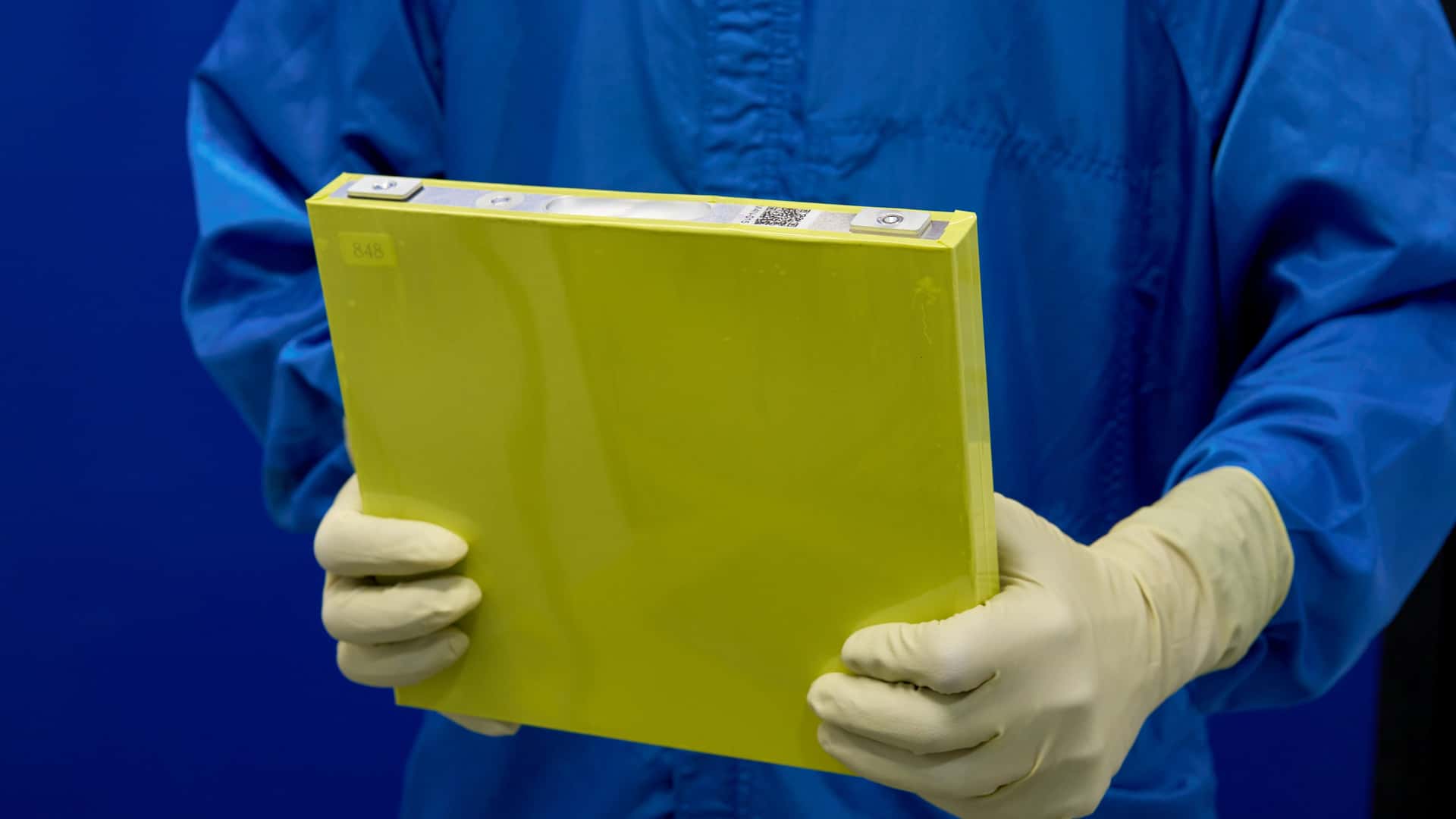
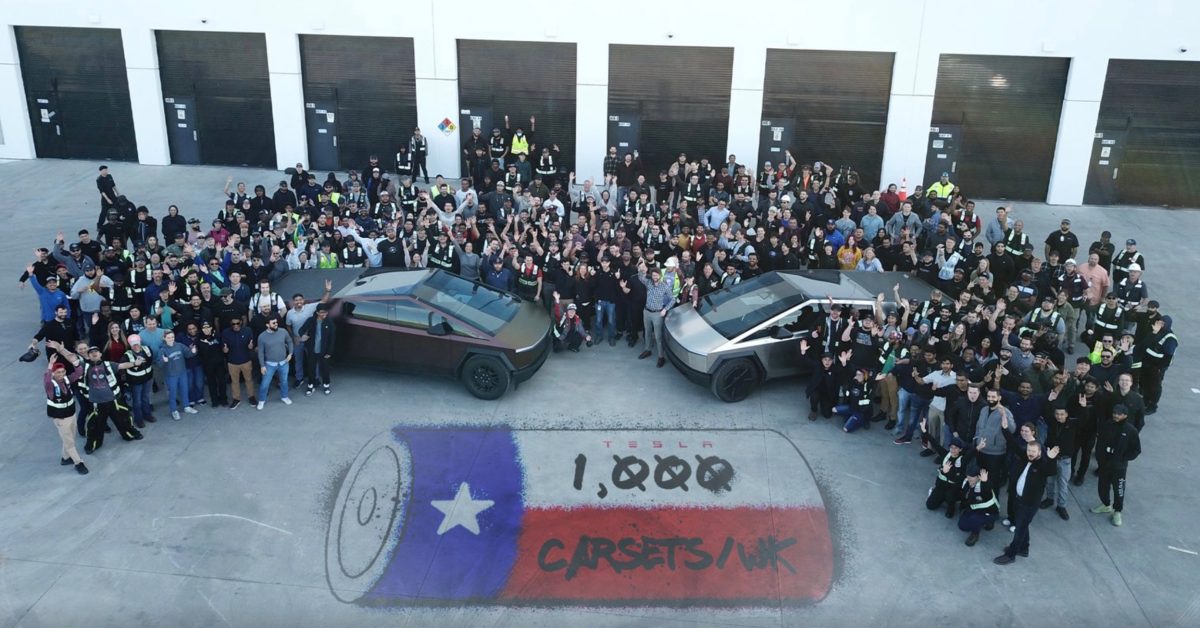
Tesla has officially attributed its stagnant sales in Q3 2026 to ongoing battery supply issues. In the company's recent shareholder letter, Tesla stated that "battery availability continued to be the limiting factor in increasing auto volumes in the quarter." This admission highlights a critical challenge for the automaker as it strives to meet growing demand for its electric vehicles.
What Changed?
Despite Tesla's claims of having the largest backlog for passenger vehicles in four years, the sales figures reported do not support the notion that demand exceeds supply. This discrepancy raises concerns about whether the backlog is genuinely reflective of consumer interest or if it is a result of production limitations.
Why It Matters for Buyers and Owners
-
Availability Concerns: Buyers looking to purchase a Tesla may face longer wait times due to the reported battery supply constraints. This could impact their purchasing decisions and timelines.
-
Pricing Dynamics: While Tesla's prices are reportedly falling, the limited availability of vehicles could mean that potential buyers might not benefit from these lower prices if they cannot secure a vehicle in a timely manner.
-
Market Implications: The situation may also affect the broader EV market, as other manufacturers could capitalize on Tesla's supply issues by offering competitive pricing and availability.
Key Details from Source Material
According to the Electrek report, Tesla's Q3 2026 shareholder letter emphasized that battery supply, not demand, is the primary obstacle to increasing sales volumes. The company noted that it ended the quarter with a significant backlog, suggesting that there are buyers ready to purchase vehicles, but the supply chain issues are hindering fulfillment. This situation presents a complex picture for both Tesla and its customers, as the company grapples with production challenges while trying to maintain its market position.
What to Watch Next
As Tesla navigates these supply chain issues, it will be important to monitor how quickly the company can ramp up battery production to meet demand. Additionally, potential buyers should stay informed about any updates regarding vehicle availability and pricing changes, as these factors will significantly influence their purchasing decisions. The situation remains fluid, and further developments from Tesla will be crucial in understanding the future landscape of EV sales.
Sources
1 media- [1]Tesla blames battery supply for flat sales, but its prices keep fallingMedia
Electrek · electrek.co · published Oct 21
Newsletter
Weekly EV signal. No spam.
Comments
Log in with
Loading comments…