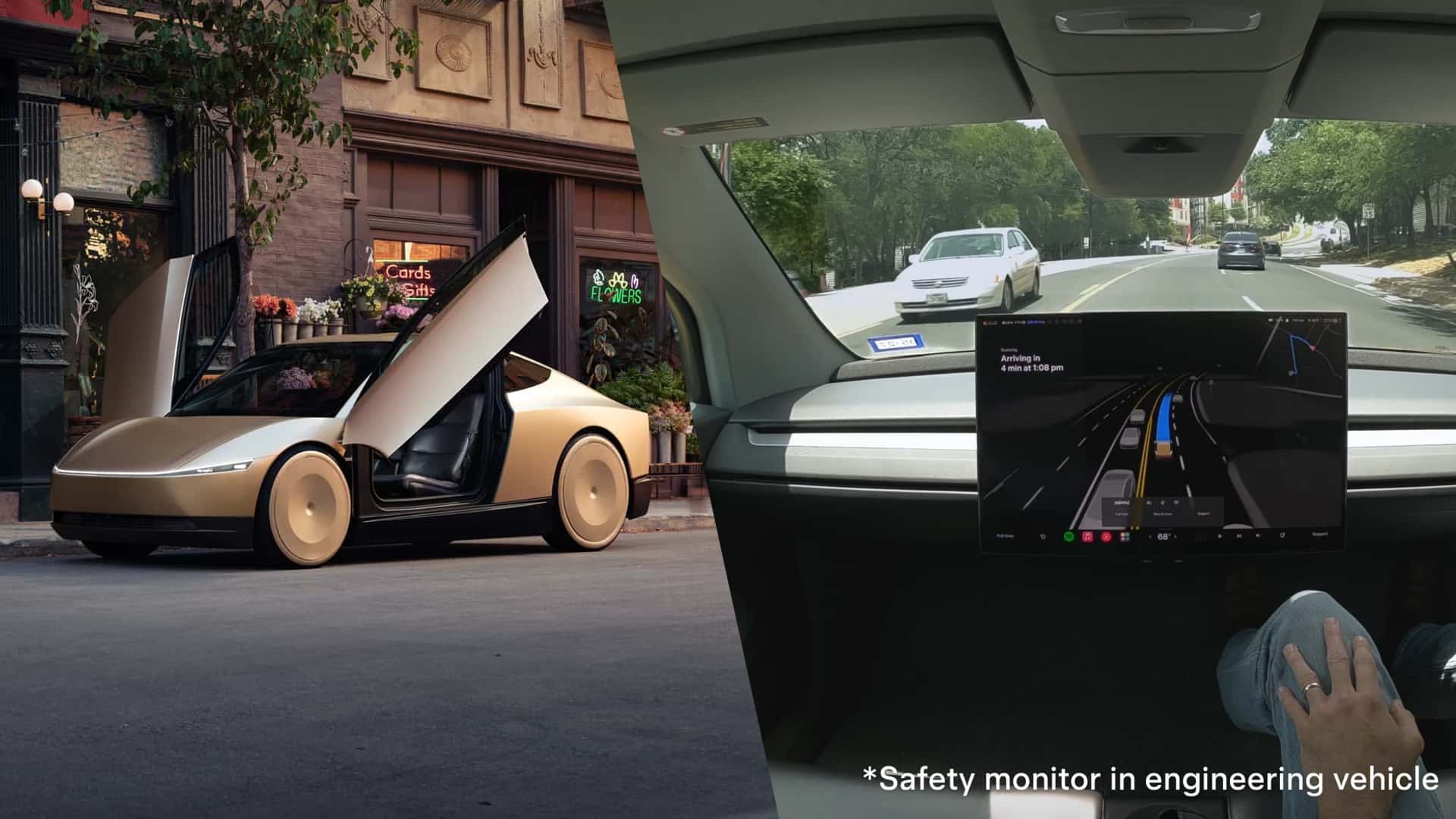
Tesla Begins Testing Steering-Wheel-Free Cybercab in Austin

Edited by Volta Kessrin
Models, Pricing & Buying
Updated July 1, 2026
3 min read
1 linked source
Tesla has started testing its Cybercab, a fully autonomous vehicle designed to operate without a steering wheel, on the streets of Austin. This initiative aims to assess the vehicle's performance in real-world conditions, but it remains uncertain whether it can compete effectively with established players like Waymo. The outcome of these tests could influence the future of autonomous ride-sharing services.
Share this story
Why it matters
- ✓If successful, the Cybercab could provide a new, innovative option for ride-sharing, potentially lowering costs for consumers.
- ✓The absence of a steering wheel may change the dynamics of vehicle ownership and usage, particularly for those interested in autonomous technology.
- ✓The testing phase will help determine the viability of steering-wheel-free vehicles in urban environments, impacting future regulations and consumer acceptance.
Tesla's Cybercab Testing Initiative
Tesla has officially begun testing its Cybercab, a revolutionary vehicle designed to operate without a steering wheel, on the streets of Austin, Texas. This marks a significant step in Tesla's efforts to bring fully autonomous ride-sharing services to the market. The company aims to evaluate the Cybercab's performance in real-world conditions, as it seeks to compete with established autonomous vehicle services like Waymo.
What Changed
The key change is Tesla's initiation of testing for its steering-wheel-free Cybercab. This vehicle is designed to function entirely autonomously, eliminating the need for traditional driving controls. The testing phase will provide valuable data on how well the Cybercab can navigate urban environments and respond to various driving scenarios. However, it remains uncertain whether the Cybercab can match the reliability and safety standards set by competitors like Waymo, which has been operating autonomous vehicles for several years.
Why It Matters for Buyers and Owners
- Potential Cost Reduction: If the Cybercab proves successful, it could lead to lower costs for ride-sharing services, making them more accessible to consumers.
- Changing Ownership Dynamics: The introduction of steering-wheel-free vehicles may alter how people view vehicle ownership, especially in urban areas where ride-sharing could become more prevalent.
- Regulatory Impact: The outcome of these tests could influence future regulations surrounding autonomous vehicles, which may affect how and when such technologies are adopted by the public.
Key Details from Source Material
According to InsideEVs, Tesla's ambition to sell Cybercabs without steering wheels reflects a broader trend towards fully autonomous vehicles. The company is testing this innovative approach in Austin, a city known for its tech-savvy population and supportive regulatory environment for autonomous vehicles. The success of these tests could pave the way for Tesla to offer Cybercabs to the general public, although the timeline for such a rollout remains unclear.
What to Watch Next
As Tesla continues its testing phase, it will be important to monitor the performance of the Cybercab in various driving conditions. Key factors to watch include:
- Safety and Reliability: How well does the Cybercab perform in real-world scenarios compared to traditional vehicles and competitors like Waymo?
- Regulatory Developments: Will local or federal regulations adapt to accommodate steering-wheel-free vehicles?
- Public Reception: How do potential users respond to the idea of using a vehicle without a steering wheel?
In conclusion, Tesla's testing of the Cybercab represents a bold step towards the future of autonomous transportation. While the outcome of these tests remains uncertain, the implications for EV buyers and owners could be significant, particularly in terms of cost and vehicle usage dynamics.
Sources
These are the documents and reports used to build this brief so readers can verify the story directly.
Reporting notes
EV Signal briefs are written to explain the verified change first, then add the context EV buyers and owners need to understand cost, availability, charging access, eligibility, or ownership impact.
If details are still developing, we try to say what is confirmed, what comes from secondary reporting, and what readers should verify before acting.
Source mix
1 linked source
1 media
Reviewed from: InsideEVs.
Comments
Log in with
Loading comments…
More in Models & Pricing

Tesla Delays Roadster 2.0 Reveal by Two Weeks
Tesla CEO Elon Musk has announced a two-week delay for the reveal of the new 'flying' Roadster 2.0,…
Just now
Tesla Roadster Event Delayed to October 15 Due to Weather
Tesla has postponed its upcoming Roadster event from October 1 to October 15 due to unfavorable…
Just now

Tesla Delays Roadster 2 Event Again Due to Bad Weather
Tesla has postponed the highly anticipated Roadster 2 event due to adverse weather conditions. The…
6h ago
Toyota's North American Executive Discusses EV Strategy and Challenges
Toyota's North American product planning executive reflects on the company's journey in the…
6h ago