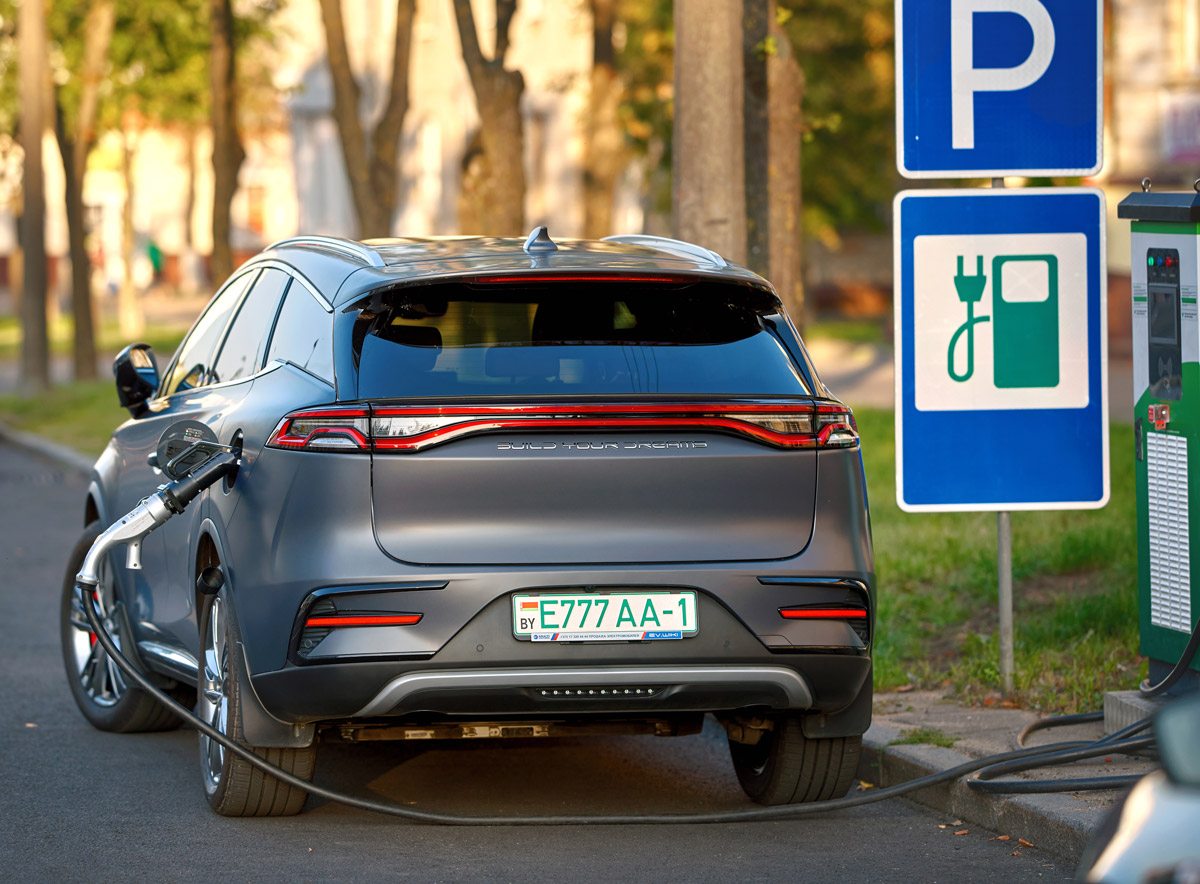
TDK Launches New HVC28 and HVC29 High-Voltage DC Contactors for EV and Industrial Applications
TDK has launched two new series of gas-filled high-voltage DC contactors, the HVC28 and HVC29. The HVC28 is designed for automotive systems operating at up to 1,000 V DC, while the HVC29 caters to industrial systems at 1,500 V. These contactors are expected to enhance the performance and reliability of electric vehicle and industrial power systems.

Key takeaways
30-second read- 1The introduction of these contactors may improve the safety and efficiency of high-voltage systems in EVs, potentially leading to better performance and reliability for owners.
- 2As the automotive industry moves towards higher voltage systems, these advancements could influence future EV designs and charging infrastructure.
- 3Increased reliability in high-voltage components may contribute to lower maintenance costs for EV owners.
Confirmed
No official source linked yet
Reported
Secondary reporting: Charged EVs
Verify yourself
Eligibility, local prices and dates for your car, state or utility

TDK Launches New High-Voltage DC Contactors
TDK has officially introduced the HVC28 and HVC29, two new series of gas-filled high-voltage DC contactors designed for electric vehicles (EVs) and industrial applications. The HVC28 is tailored for automotive systems operating at voltages up to 1,000 V DC, while the HVC29 is intended for industrial systems that can handle up to 1,500 V. This launch marks a significant advancement in high-voltage technology, which is crucial for the evolving landscape of electric mobility and industrial power systems.
What Changed
The key change is the introduction of TDK's HVC28 and HVC29 contactors, which are designed to manage high-voltage DC applications effectively. The HVC28 focuses on automotive applications, making it particularly relevant for manufacturers and developers of electric vehicles that require reliable high-voltage components. The HVC29, on the other hand, is aimed at industrial systems, indicating TDK's commitment to supporting various sectors that utilize high-voltage technology.
Why It Matters for Buyers and Owners
The launch of these contactors is significant for several reasons:
- Improved Safety and Efficiency: The new contactors are expected to enhance the safety and efficiency of high-voltage systems in EVs, which could lead to better performance and reliability for vehicle owners.
- Impact on Future EV Designs: As the automotive industry transitions to higher voltage systems, the availability of reliable components like the HVC28 may influence the design and functionality of future electric vehicles.
- Lower Maintenance Costs: Increased reliability in high-voltage components can potentially reduce maintenance costs for EV owners, making electric vehicles more appealing in the long run.
Key Details from Source Material
According to Charged EVs, TDK's HVC28 and HVC29 contactors are designed to meet the growing demand for high-voltage solutions in both the automotive and industrial sectors. The HVC28's focus on 1,000 V DC applications aligns with the increasing voltage requirements of modern electric vehicles, while the HVC29's capability of handling 1,500 V positions it well for industrial applications that require robust power management solutions.
The gas-filled design of these contactors is intended to improve their performance in high-voltage environments, providing enhanced durability and reliability compared to traditional contactors. This innovation is crucial as the industry moves towards more electrified transportation and industrial processes.
What to Watch Next
As TDK rolls out these new contactors, it will be important to monitor their adoption in the EV and industrial markets. Key areas to watch include:
- Market Response: How manufacturers and developers respond to the availability of these contactors and whether they incorporate them into their systems.
- Performance Feedback: Early feedback from users regarding the performance and reliability of the HVC28 and HVC29 in real-world applications.
- Future Innovations: Any additional advancements TDK may introduce in high-voltage technology as the demand for electric mobility and industrial electrification continues to grow.
In conclusion, TDK's introduction of the HVC28 and HVC29 contactors represents a significant step forward in high-voltage technology for both electric vehicles and industrial systems. As the market evolves, these innovations could play a crucial role in shaping the future of electric mobility and power management.
Sources
1 media- [1]TDK launches HVC28 and HVC29 contactors for 1,000 V EV and 1,500 V industrial systemsMedia
Charged EVs · chargedevs.com · published Oct 28
Newsletter
Weekly EV signal. No spam.
Comments
Log in with
Loading comments…