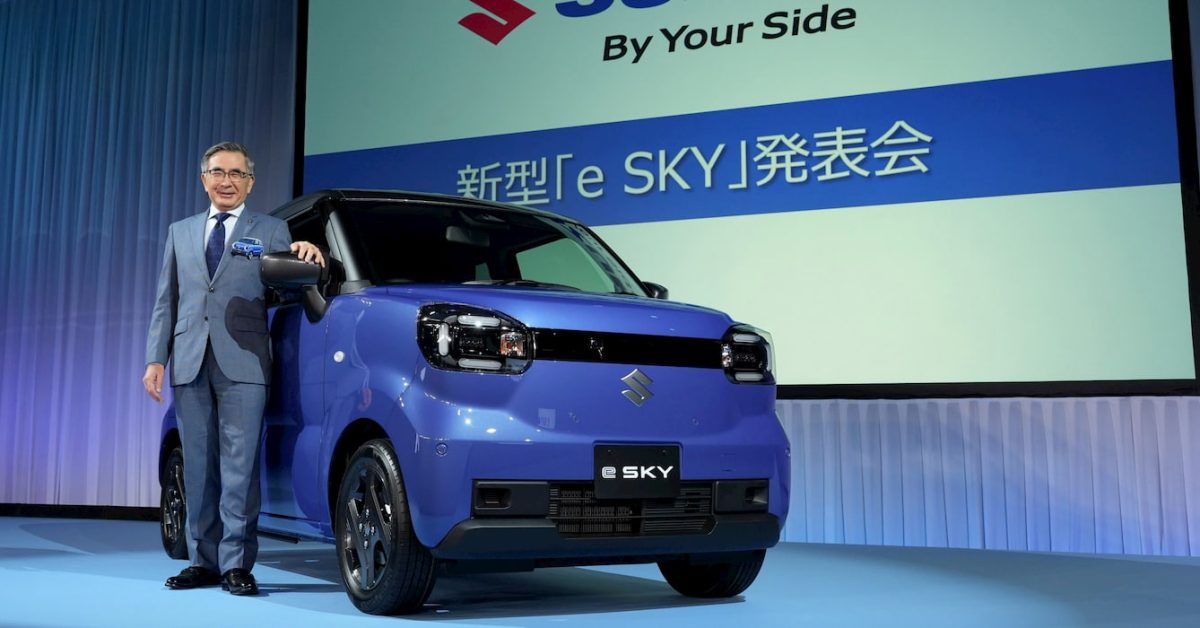
Suzuki Launches $13,500 Mini EV, Undercutting BYD

Edited by Volta Kessrin
Models, Pricing & Buying
Updated October 6, 2026
3 min read
1 linked source
Suzuki has introduced the e SKY, its first electric kei car, which is priced at approximately $13,500, making it Japan's cheapest mini EV. This new model is powered by batteries supplied by BYD, the same company that produces the Racco, which it aims to undercut in price. The launch of the e SKY may shift the competitive landscape in the mini EV market in Japan.
Share this story
Why it matters
- ✓The e SKY's low price point makes electric vehicle ownership more accessible for budget-conscious consumers in Japan.
- ✓By utilizing BYD batteries, Suzuki may benefit from established technology, potentially enhancing reliability and performance.
- ✓This move could intensify competition in the mini EV segment, prompting other manufacturers to adjust their pricing strategies.
Suzuki Launches e SKY Mini EV
Suzuki has officially launched its first electric kei car, the e SKY, which is set to retail at around $13,500. This pricing positions the e SKY as Japan's most affordable mini EV, directly undercutting BYD's Racco, which has been a strong competitor in this segment. The e SKY is powered by batteries manufactured by BYD, indicating a strategic partnership that leverages BYD's established technology.
What Changed
The introduction of the e SKY marks a significant shift in the Japanese electric vehicle market. With a starting price of approximately $13,500, Suzuki aims to attract a broader customer base, particularly those who may have been hesitant to invest in electric vehicles due to higher costs. This competitive pricing strategy is likely to influence consumer choices and could lead to increased adoption of electric vehicles in the kei car segment.
Why It Matters for Buyers/Owners
- Accessibility: The e SKY's low price makes it an attractive option for first-time EV buyers and those looking for economical transportation solutions.
- Battery Technology: By using BYD batteries, Suzuki may offer a reliable product backed by proven technology, which could enhance consumer confidence in the e SKY's performance and longevity.
- Market Competition: The launch of the e SKY may prompt other manufacturers to reconsider their pricing strategies, potentially leading to more affordable options across the mini EV market.
Key Details from Source Material
According to Electrek, the e SKY is positioned to be the cheapest mini EV in Japan, starting at around $13,500. This pricing strategy is a direct challenge to BYD's Racco, which has been a popular choice among consumers in the mini EV category. The collaboration with BYD for battery supply suggests that Suzuki is focused on ensuring quality and performance in its new electric vehicle offering.
What to Watch Next
As the e SKY enters the market, it will be important to monitor consumer reception and sales figures to gauge its impact on the mini EV segment. Additionally, keep an eye on how competitors respond to this pricing strategy, as it may lead to a shift in the overall landscape of electric vehicle offerings in Japan. Further details on availability and specifications are expected to emerge as Suzuki ramps up its marketing efforts for the e SKY.
Sources
These are the documents and reports used to build this brief so readers can verify the story directly.
Reporting notes
EV Signal briefs are written to explain the verified change first, then add the context EV buyers and owners need to understand cost, availability, charging access, eligibility, or ownership impact.
If details are still developing, we try to say what is confirmed, what comes from secondary reporting, and what readers should verify before acting.
Source mix
1 linked source
1 media
Reviewed from: Electrek.
Comments
Log in with
Loading comments…
More in Models & Pricing

Kia EV3 Offers Up to 321 Miles of Range at $30,000
Kia has introduced the EV3, its most affordable electric vehicle priced at $30,000, which boasts a…
2h ago
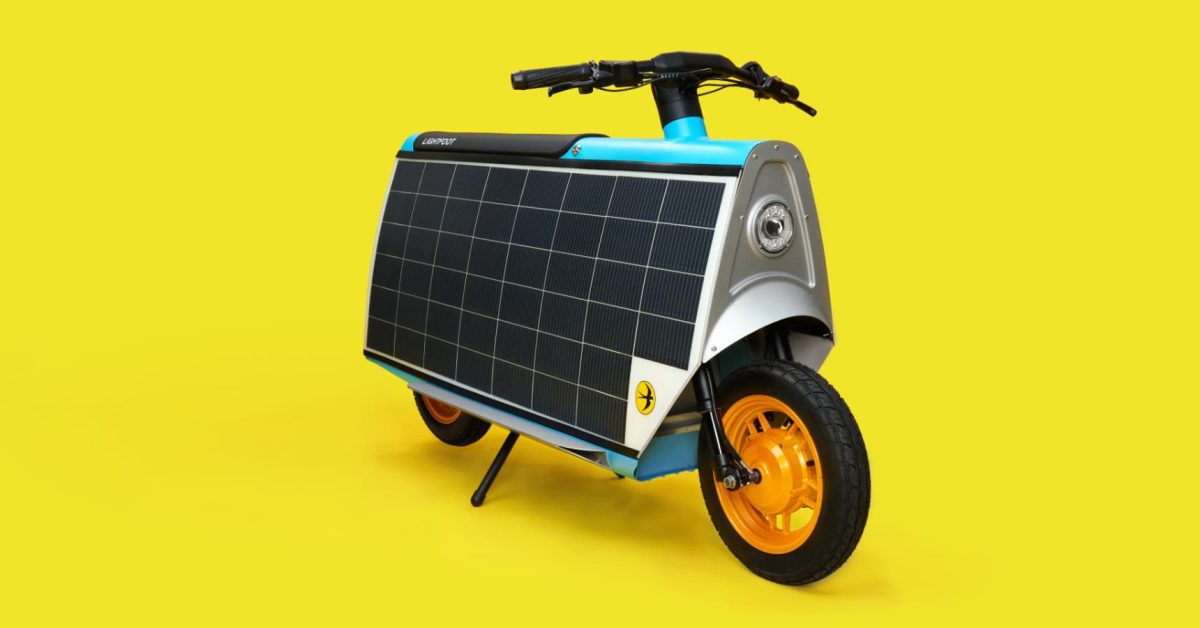
New Solar Electric Scooter Offers Plug-Free Commuting
A new solar electric scooter has been introduced, designed to handle daily commutes without the…
2h ago
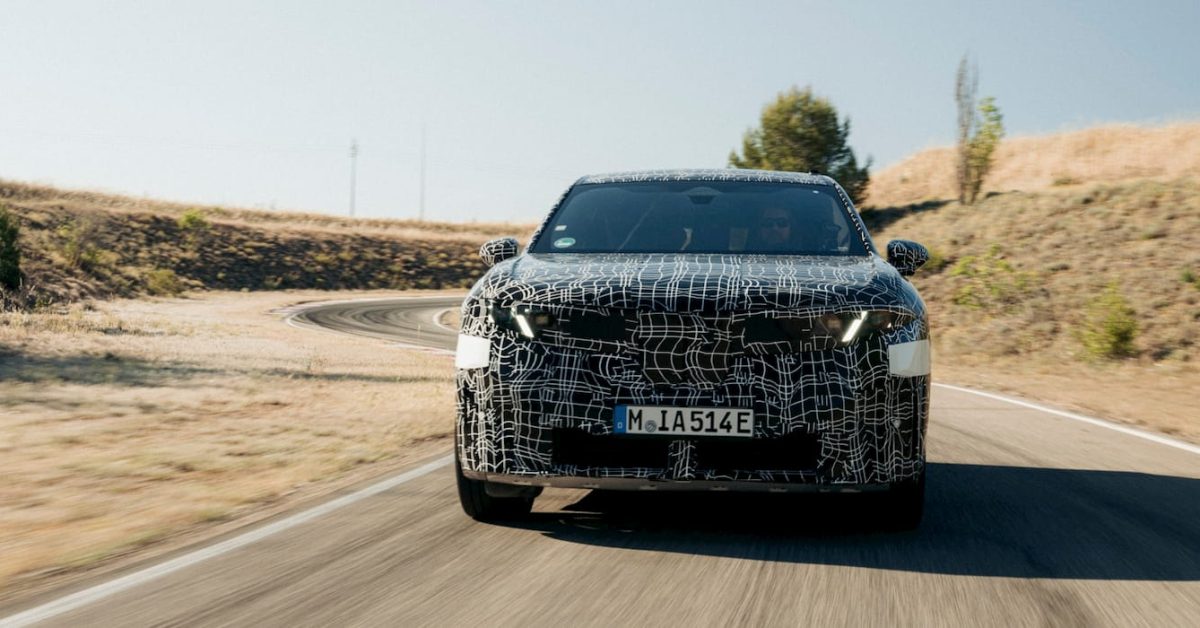
BMW’s new iX4 leaks ahead of official reveal
Images of BMW's upcoming iX4 electric SUV have leaked online just days before its official debut.…
2h ago
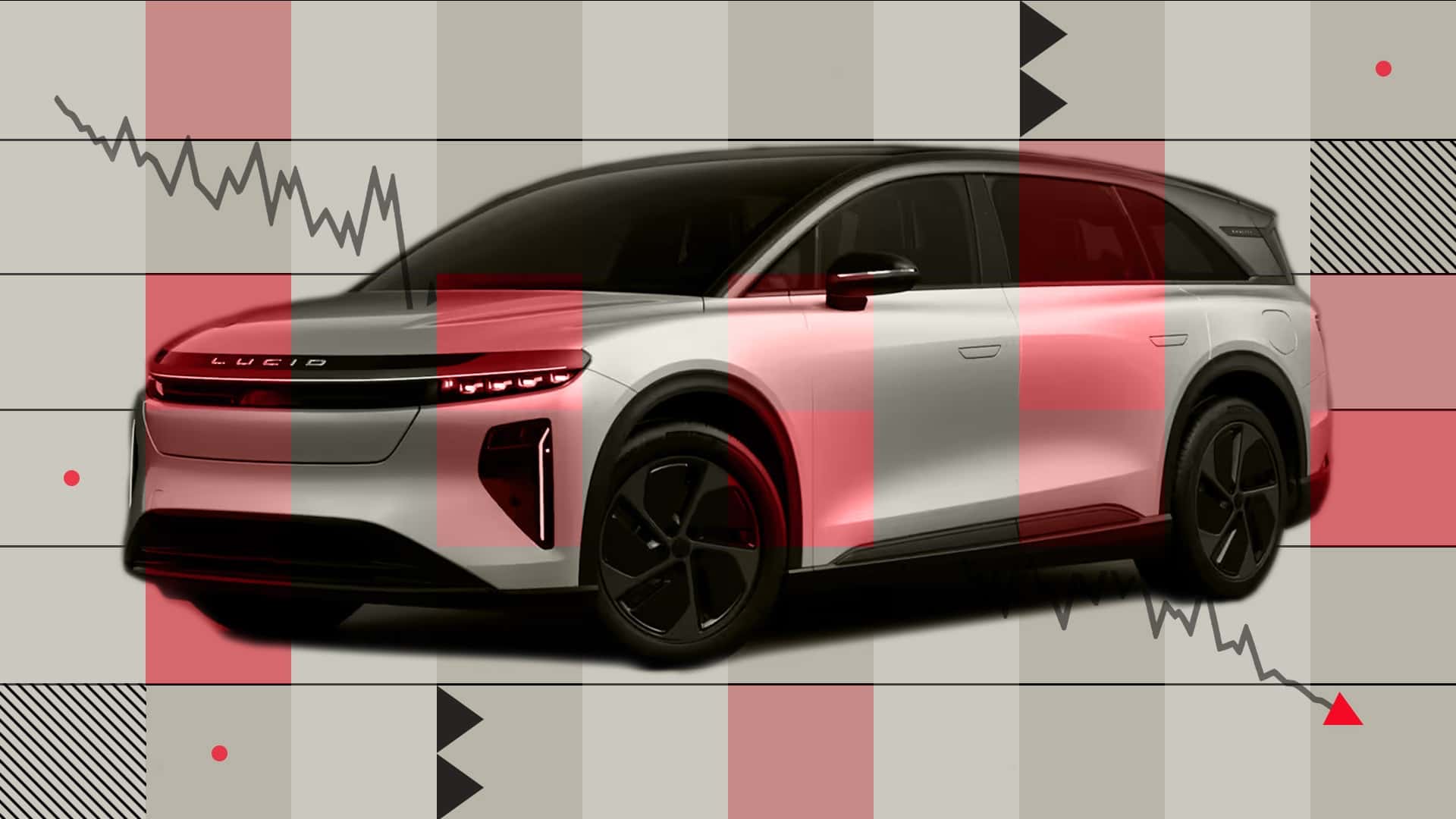
Lucid Production Declines as Inventory Issues Persist
Lucid Motors reported a significant drop in production, delivering fewer than 4,000 electric…
8h ago