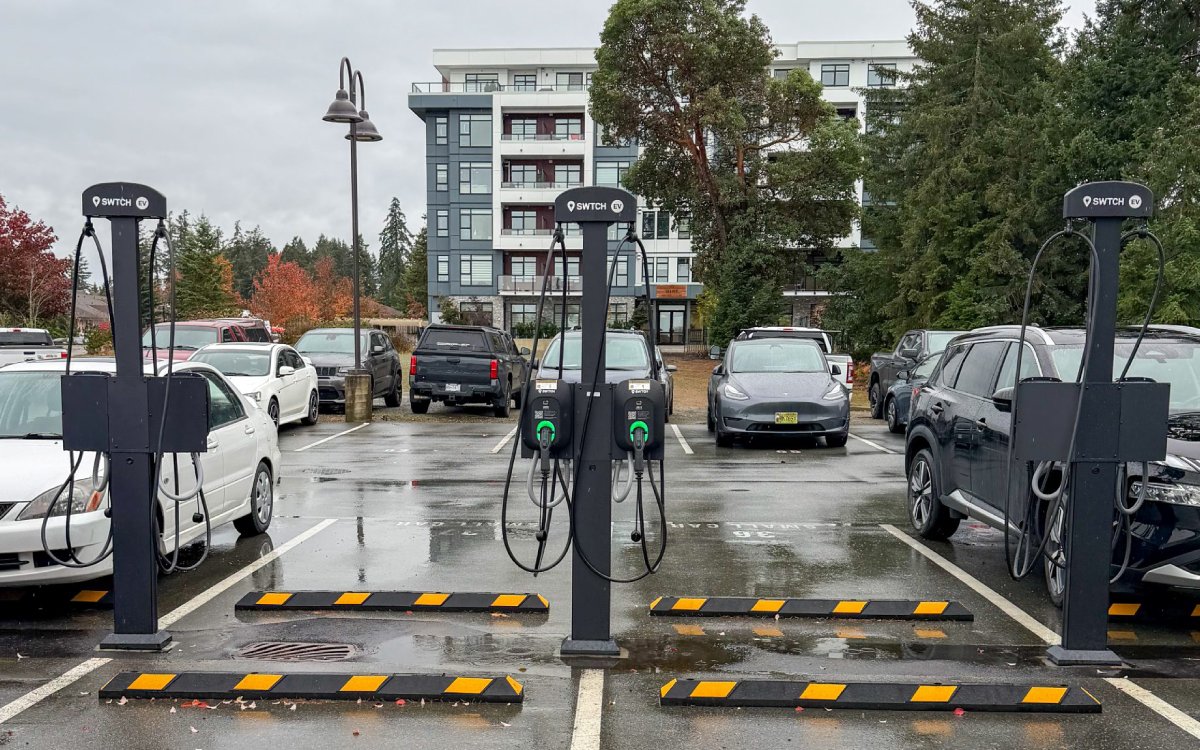
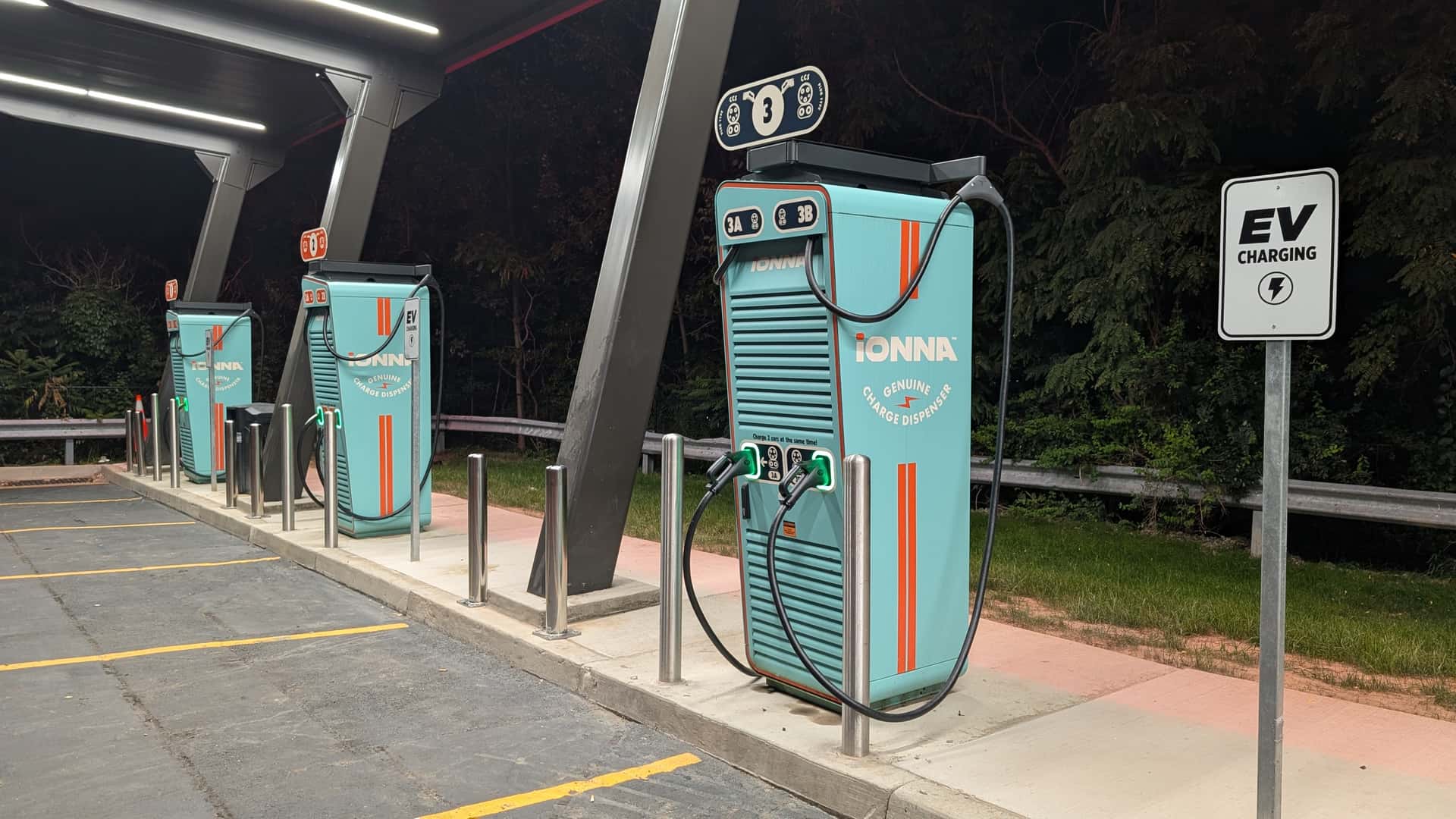
Survey Highlights Need for Consistent EV Charging Regulations
A recent survey by the Canadian Charging Infrastructure Council indicates that inconsistent municipal regulations are significantly delaying the rollout of public fast chargers for electric vehicles. Respondents reported that parking minimums and lengthy approval processes are major obstacles, with typical waiting times ranging from three to 18 months. This situation affects the ability to expand EV charging infrastructure effectively.

Key takeaways
30-second read- 1Inconsistent regulations can lead to increased costs for charging infrastructure, impacting the overall price for consumers.
- 2Long approval times may hinder the availability of fast chargers, affecting EV owners' access to charging stations.
- 3Streamlined regulations could potentially reduce charging costs by 33 to 65 percent, benefiting urban drivers.
Confirmed
No official source linked yet
Reported
Secondary reporting: Electric Autonomy Canada
Verify yourself
Eligibility, local prices and dates for your car, state or utility
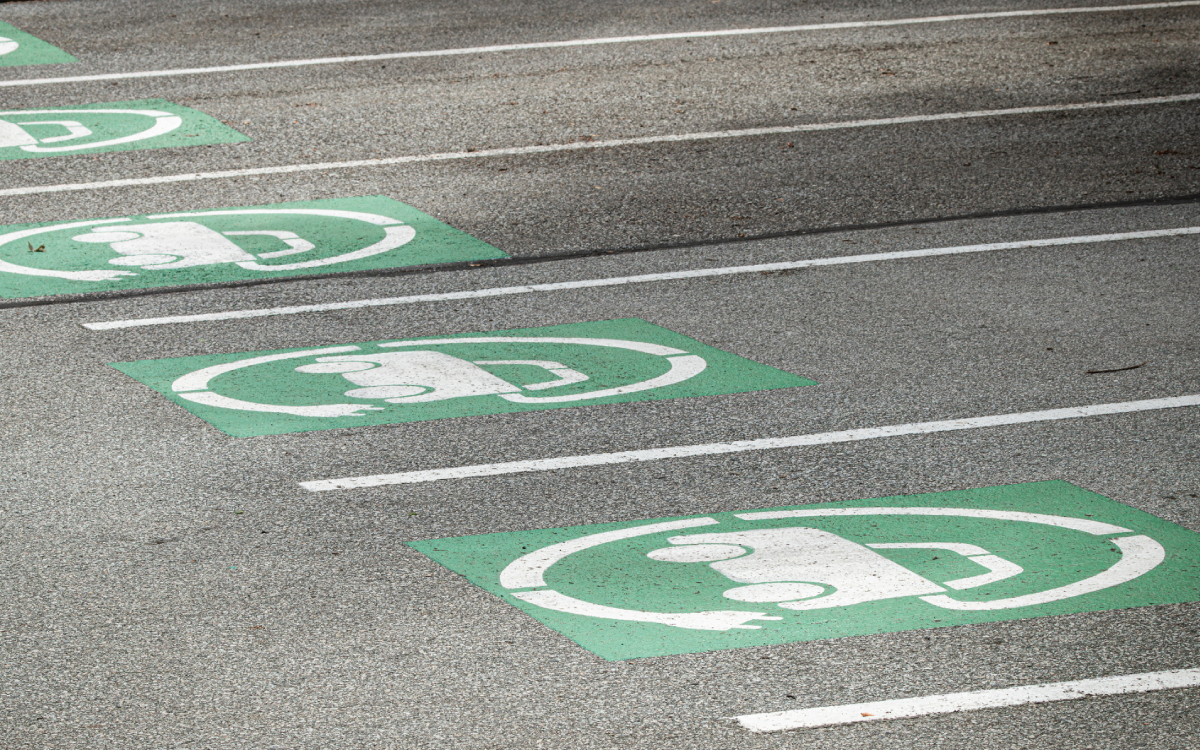
A recent survey conducted by the Canadian Charging Infrastructure Council (CCIC) has revealed that inconsistent municipal regulations are causing significant delays in the deployment of public fast chargers for electric vehicles (EVs). The survey, which included responses from nine organizations involved in charging infrastructure, found that land-use requirements, particularly parking minimums, are the most common sources of delay. Respondents indicated that these regulations often lead to increased costs and, in some cases, the abandonment of projects altogether.
According to the survey, seven out of nine respondents reported that parking minimums had delayed at least one project in the past two years. The typical wait time for approvals ranged from three to 18 months, far exceeding the three-month target that respondents believed was reasonable. This bottleneck has resulted in the abandonment of 54 sites over two years, with half of those cases attributed to municipal and utility delays.
The findings align with a report from The Atmospheric Fund (TAF), which highlighted that some approvals in Ontario have taken over 30 months. TAF has called for municipalities to adopt streamlined permitting processes and to consider charging stalls as part of parking requirements. Additionally, they recommend opening surplus public land for charging operators and waiving parking fees to reduce costs for urban drivers.
The CCIC is advocating for municipalities to create clearer guidelines and faster approval processes to facilitate the installation of EV chargers. Some municipalities, like Toronto and Surrey, are already taking steps to ease these bottlenecks by clarifying requirements and offering direct utility services to charging sites. These efforts could significantly enhance the deployment of EV charging infrastructure, making it more accessible for consumers.
Buying guide: Best Level 2 Home EV Charger (2026): How to Choose
Sources
1 media- [1]Consistent regulations needed to enable faster EV charging rollout: surveyMedia
Electric Autonomy Canada · electricautonomy.ca · published Nov 10
Newsletter
Weekly EV signal. No spam.
Comments
Log in with
Loading comments…