
Subaru Delays In-House EV Development Indefinitely Amid Profit Decline
Updated May 19, 2026
3 min read
1 linked source
Subaru has postponed its plans to launch in-house developed electric vehicles, previously targeted for 2028, with no new timeline established. This decision follows a dramatic 90% drop in the company's operating profits, prompting a shift in focus to producing gas and hybrid models instead.
Share this story
Why it matters
- ✓The postponement may limit options for consumers looking for Subaru's EV offerings, potentially affecting their purchasing decisions.
- ✓With the focus shifting to gas and hybrid models, buyers interested in fully electric vehicles may need to consider alternatives from other manufacturers.
- ✓The delay could impact Subaru's long-term competitiveness in the EV market, which may affect resale values and ownership costs for future EV buyers.
Reporting notes
EV Signal briefs are written to explain the verified change first, then add the context EV buyers and owners need to understand cost, availability, charging access, eligibility, or ownership impact.
If details are still developing, we try to say what is confirmed, what comes from secondary reporting, and what readers should verify before acting.
Source mix
1 linked source
1 media
Reviewed from: Electrek.
Subaru's EV Development Postponed
Subaru has officially announced the indefinite postponement of its in-house electric vehicle (EV) development, which was initially slated for launch in 2028. This decision comes in light of a staggering 90% decline in the company's operating profits for the fiscal year, forcing a strategic pivot away from electric vehicles toward the production of gas and hybrid models instead.
What Changed
The Japanese automaker's announcement marks a significant shift in its strategy regarding electric vehicles. Subaru had previously aimed to introduce its own EVs by 2028, but the lack of a new timeline indicates uncertainty about the company's future in the electric vehicle market. Instead of focusing on developing EVs, Subaru will now direct its resources toward manufacturing gas and hybrid vehicles at its new EV factory.
This decision is largely influenced by the financial challenges the company is currently facing, including substantial losses attributed to tariffs and EV-related write-downs. Specifically, Subaru reported that tariffs cost the company approximately ¥229 billion (around $1.4 billion), while losses from EV-related write-downs added another $385 million to its financial woes.
Why It Matters for Buyers and Owners
The postponement of Subaru's in-house EVs is significant for current and potential EV buyers and owners for several reasons:
- Limited Options: Consumers looking for Subaru's electric offerings may find themselves with fewer choices, as the company shifts its focus away from EVs. This may lead buyers to explore options from other manufacturers that are actively developing electric vehicles.
- Market Competitiveness: Subaru's delay could hinder its long-term competitiveness in the growing EV market. As more automakers invest in electric technology, Subaru's absence may impact its brand perception and resale values for future EV buyers.
- Ownership Costs: With the shift back to gas and hybrid models, potential buyers might face different ownership costs and considerations, especially as fuel prices fluctuate and environmental regulations evolve.
Key Details from Source Material
According to Electrek, Subaru's decision to postpone its EV plans is a direct response to its financial struggles. The company's operating profits have plummeted by 90%, primarily due to external factors such as tariffs and internal challenges related to its EV strategy. The new factory, initially intended for EV production, will now focus on gas and hybrid models, signaling a significant shift in Subaru's approach to the automotive market.
What to Watch Next
As Subaru navigates this challenging period, it will be important to monitor any updates regarding its future plans for electric vehicles. The absence of a new timeline for EV development raises questions about the company's long-term strategy in the rapidly evolving automotive landscape. Additionally, keeping an eye on Subaru's financial recovery and how it impacts its product offerings will be crucial for consumers and industry watchers alike.
In conclusion, Subaru's indefinite postponement of in-house EVs highlights the challenges faced by traditional automakers in adapting to the electric vehicle market. As the industry continues to evolve, consumers will need to stay informed about their options and the implications of these changes.
Sources
These are the documents and reports used to build this brief so readers can verify the story directly.
Comments
Log in with
Loading comments…
More in Models & Pricing
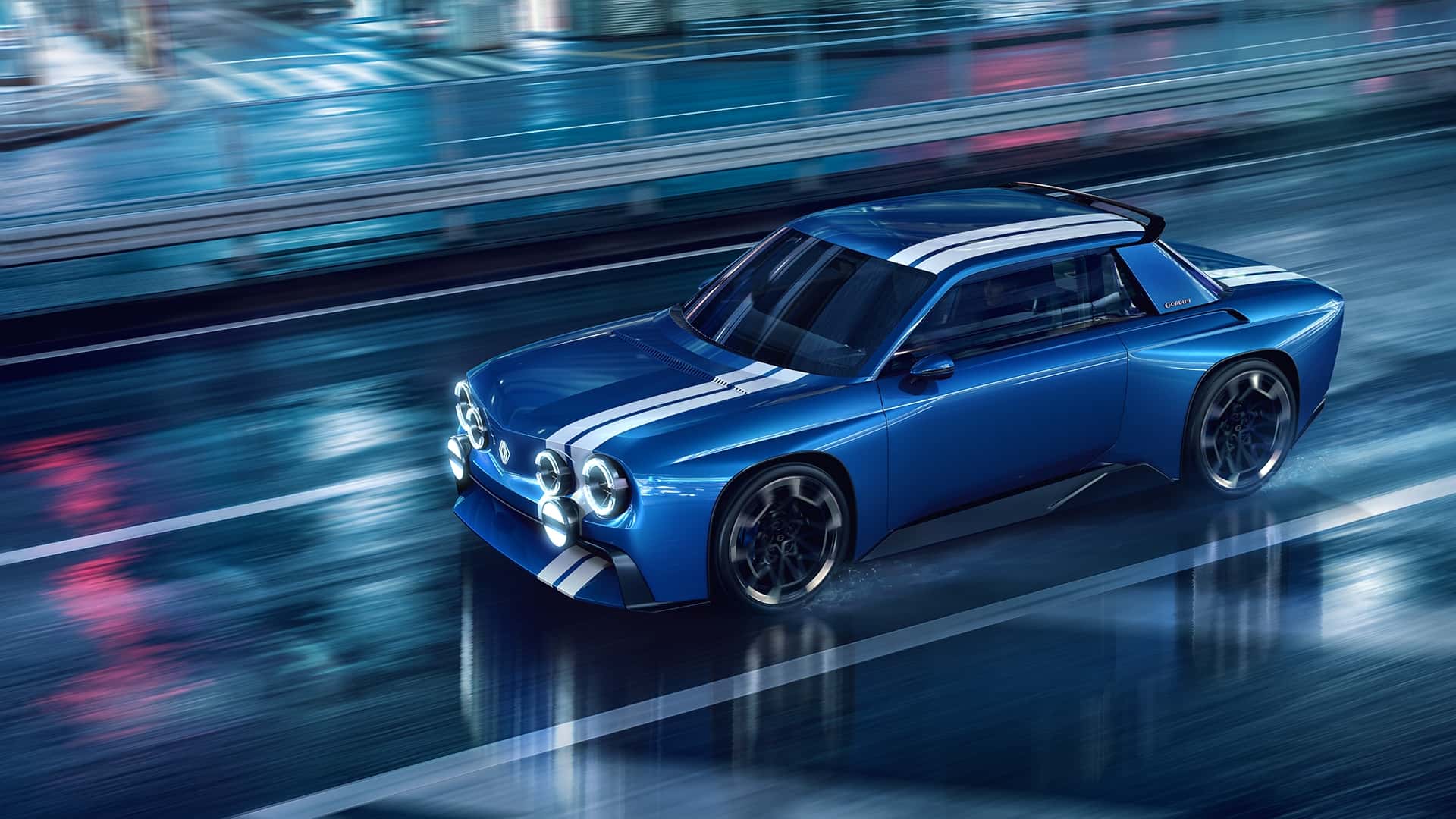
Renault 8 Gordini Returns as Rear-Wheel Drive EV
Renault has unveiled the return of the iconic Renault 8 Gordini as a rear-wheel drive electric…
Just now
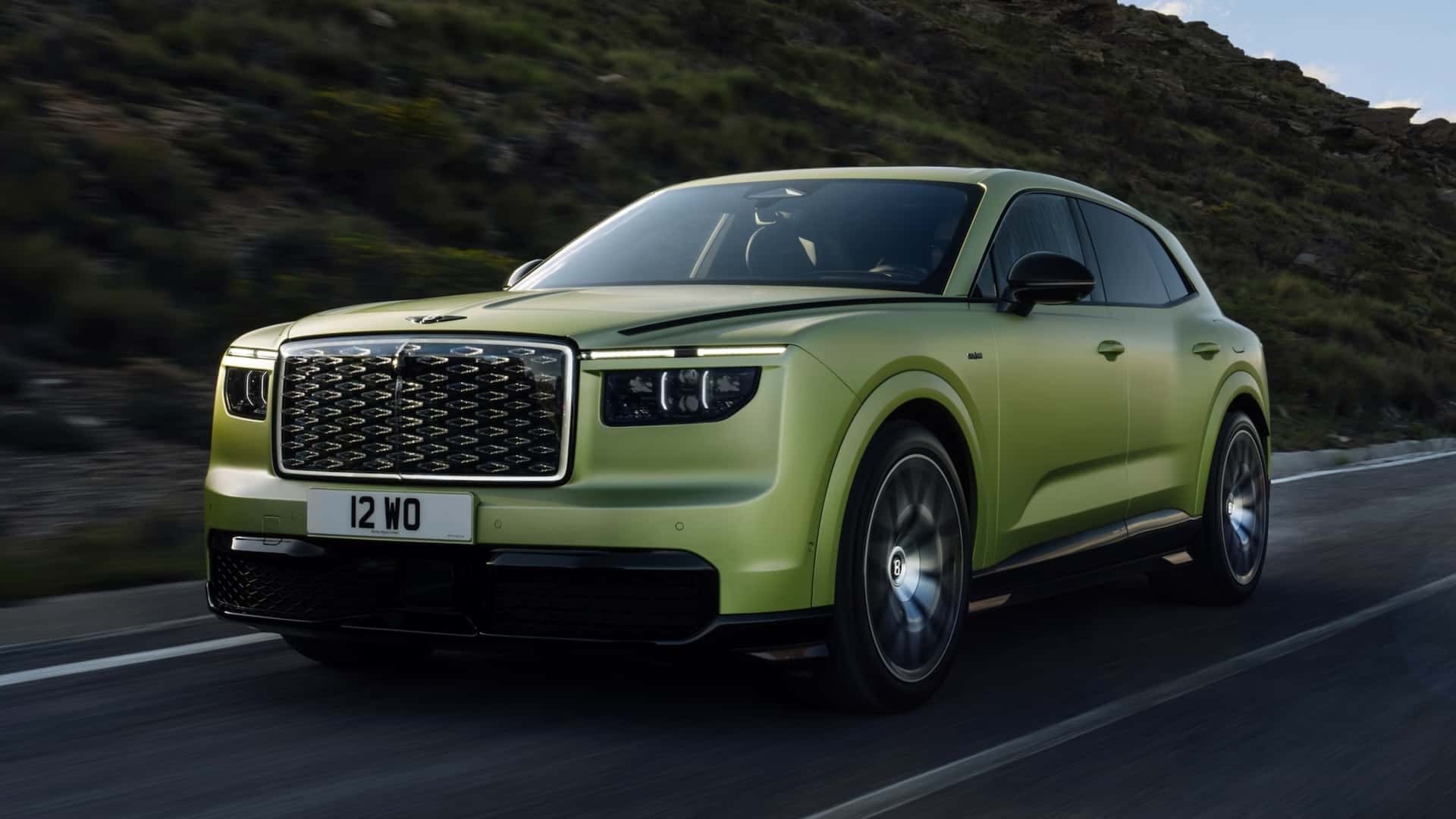
Bentley's First EV, the Torcal, Offers Rapid Charging Capabilities
Bentley has launched its first electric vehicle, the Torcal, a midsize SUV that boasts rapid…
12h ago
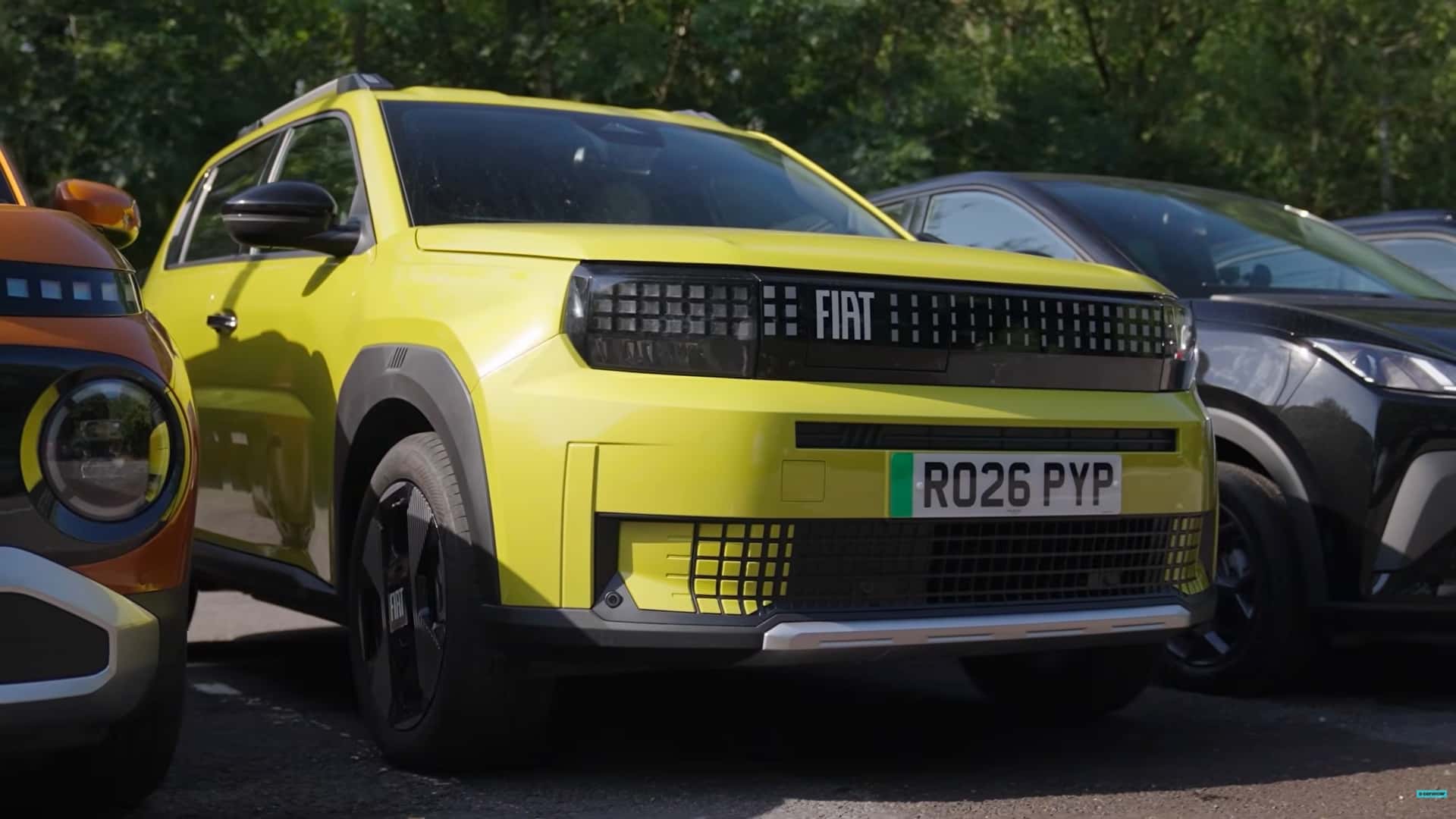
Fiat Grande Panda Outperforms Claimed Range in Real-World Test
In a recent highway range test, the Fiat Grande Panda exceeded its officially claimed range,…
12h ago
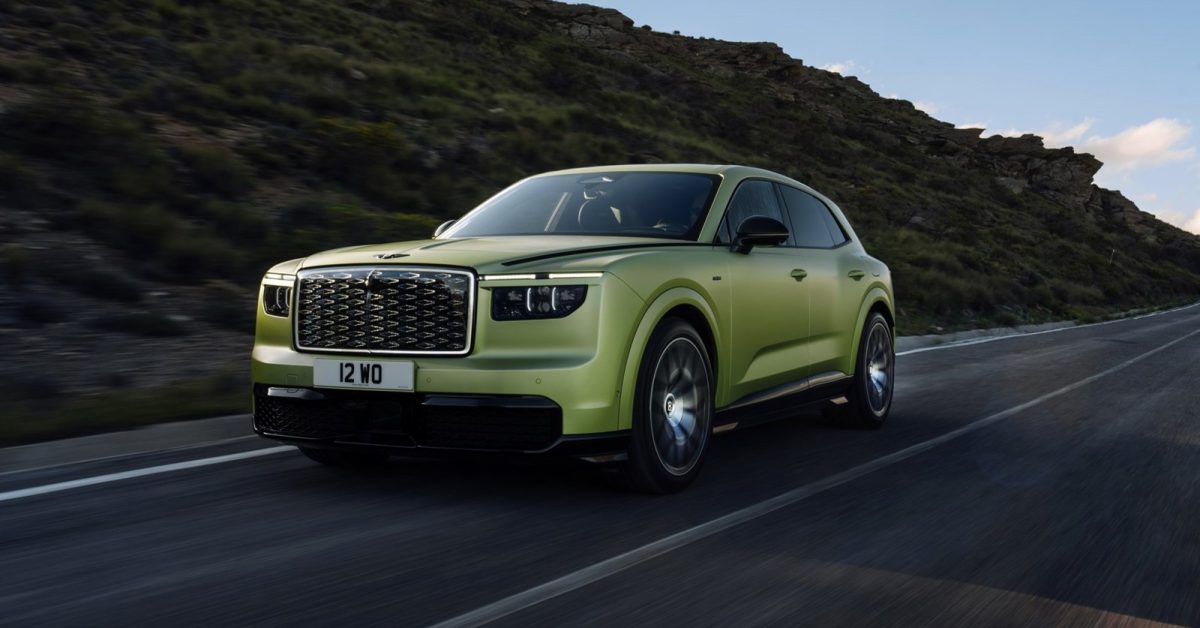
Bentley Launches Torcal, Its First All-Electric SUV
Bentley has officially unveiled the Torcal, marking its entry into the electric vehicle market.…
12h ago