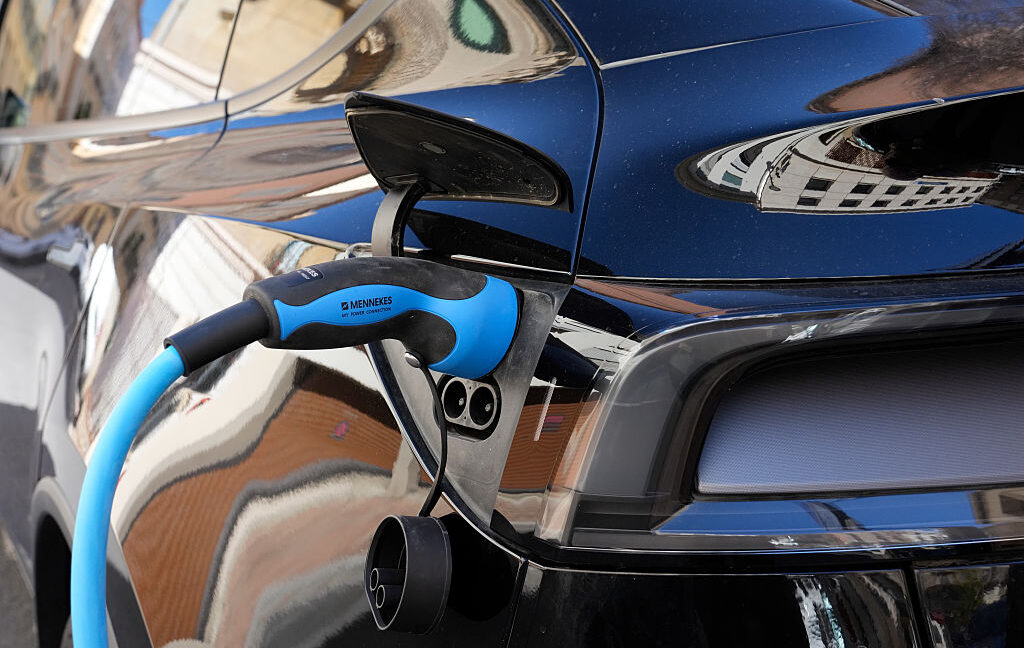
Study Shows EV Batteries Retain 90% Capacity After 150,000 km

Edited by Ionna Brakeley
Charging & Ownership
Updated September 25, 2026
3 min read
1 linked source
Recent research indicates that electric vehicle (EV) batteries can retain approximately 90% of their original usable capacity after traveling 150,000 kilometers. This finding may alleviate concerns among potential EV buyers regarding battery longevity and performance over time. However, further investigation is needed to understand the implications for different EV models and battery types.
Share this story
Why it matters
- ✓Increased confidence in EV longevity may lead to more buyers considering used electric vehicles, potentially lowering overall ownership costs.
- ✓Understanding battery performance over time can help owners plan for future battery replacements and maintenance.
- ✓The retention of battery capacity could influence resale values, making EVs a more attractive investment.
EV Batteries Retain 90% Capacity After 150,000 km
A recent study has revealed that electric vehicle (EV) batteries can maintain around 90% of their original usable capacity even after covering a distance of 150,000 kilometers. This finding is significant for both current and prospective EV owners, as it addresses long-standing concerns about battery degradation and longevity.
What Changed
The study, highlighted by Ars Technica, suggests that the fears surrounding the lifespan of EV batteries may be overstated. Many potential buyers have been hesitant to invest in electric vehicles due to worries about how quickly the battery might lose its capacity. The new data indicates that, on average, EV batteries can perform well beyond the initial expectations, retaining a substantial amount of their capacity even after extensive use.
Why It Matters for Buyers and Owners
This research has several implications for EV buyers and owners:
- Increased Confidence in Used EVs: With the knowledge that used EVs can retain significant battery capacity, buyers may feel more secure purchasing pre-owned electric vehicles, which could lead to a broader market for these cars.
- Cost Management: Understanding that batteries can last longer may help owners budget for maintenance and potential replacements, ultimately reducing the total cost of ownership.
- Resale Value Considerations: As battery longevity improves, the resale value of EVs may also increase, making them a more appealing investment for consumers.
Key Details from the Source Material
The findings from the study suggest that battery technology has advanced to a point where the longevity of EV batteries is better than many consumers feared. According to the report from Ars Technica, retaining 90% of battery capacity after 150,000 kilometers is a significant benchmark that could change perceptions in the market. However, the study does not specify which types of batteries or EV models were included, leaving some uncertainty about the generalizability of these results.
What to Watch Next
As this research gains attention, it will be important to monitor further studies that may provide additional insights into battery performance across different EV models and manufacturers. Additionally, consumers should keep an eye on how this information influences the used EV market and whether it leads to changes in pricing or availability. Understanding the long-term performance of EV batteries will be crucial as electric vehicles continue to gain popularity in the automotive landscape.
Sources
These are the documents and reports used to build this brief so readers can verify the story directly.
- EV batteries last longer than drivers feared — Ars Technica CarsMEDIA
Reporting notes
EV Signal briefs are written to explain the verified change first, then add the context EV buyers and owners need to understand cost, availability, charging access, eligibility, or ownership impact.
If details are still developing, we try to say what is confirmed, what comes from secondary reporting, and what readers should verify before acting.
Source mix
1 linked source
1 media
Reviewed from: Ars Technica Cars.
Comments
Log in with
Loading comments…
More in Ownership

Importance of Inductor Efficiency in Power Supply Design for EVs
Improving inductor efficiency is crucial for battery-powered applications, particularly in electric…
1h ago

Lucid Motors Partners with Bolt for Potential Robotaxi Service in Europe
Lucid Motors has announced a partnership with the mobility platform Bolt to explore the potential…
1h ago
LA Metro Approves Purchase of 220 Battery-Electric Transit Buses
LA Metro has approved the acquisition of 220 new battery-electric buses, marking one of the largest…
1h ago

Boring Co. to Build 30-Minute Austin to San Antonio Tunnel
Elon Musk has announced that The Boring Company is developing a high-speed underground transit link…
1h ago