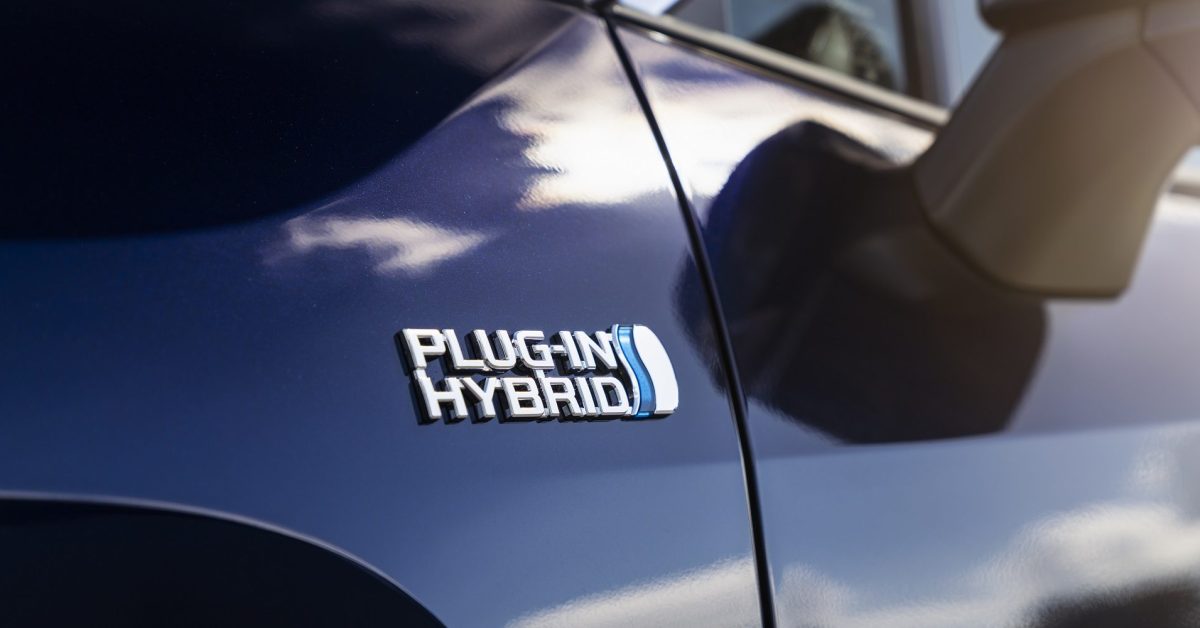
Study Reveals Plug-in Hybrids Emit Six Times More Pollution Than Official Estimates
Updated September 8, 2026
3 min read
1 linked source
A recent study indicates that plug-in hybrids are emitting six times more pollution than government estimates suggest, and the situation is worsening. This discrepancy raises concerns about the environmental impact of these vehicles and the effectiveness of current regulations. The findings suggest that the automotive industry may be attempting to obscure these issues.
Share this story
Why it matters
- ✓Increased pollution emissions could lead to stricter regulations, affecting the availability and cost of plug-in hybrids.
- ✓Potential buyers may need to reconsider the environmental benefits of plug-in hybrids versus fully electric vehicles.
- ✓Current owners might face higher ownership costs if regulations lead to increased fees or taxes on polluting vehicles.
Reporting notes
EV Signal briefs are written to explain the verified change first, then add the context EV buyers and owners need to understand cost, availability, charging access, eligibility, or ownership impact.
If details are still developing, we try to say what is confirmed, what comes from secondary reporting, and what readers should verify before acting.
Source mix
1 linked source
1 media
Reviewed from: Electrek.
Plug-in Hybrids Emitting More Pollution Than Previously Thought
A new study has revealed that plug-in hybrid vehicles (PHEVs) are emitting six times more pollution than what is officially reported by government estimates. This alarming finding highlights a growing gap between real-world emissions and the figures used to promote these vehicles as environmentally friendly alternatives. Furthermore, the study indicates that plug-in hybrids are becoming increasingly polluting over time, raising significant concerns about their environmental impact.
What Changed?
The study, referenced in an article by Electrek, shows that the emissions from plug-in hybrids are not only higher than previously claimed but are also worsening. This discrepancy suggests that the automotive industry may be attempting to hide the true environmental impact of these vehicles, complicating efforts to regulate their emissions effectively. As plug-in hybrids were often marketed as a greener option, this new information calls into question their role in reducing overall vehicle emissions.
Why It Matters for Buyers and Owners
-
Regulatory Implications: The increased pollution levels could prompt governments to impose stricter regulations on plug-in hybrids, potentially leading to higher costs for consumers. This could include increased taxes or fees for owning a more polluting vehicle.
-
Environmental Considerations: For potential buyers, the findings may shift perceptions about the environmental benefits of plug-in hybrids compared to fully electric vehicles (EVs). Consumers may prioritize EVs over hybrids if they are concerned about pollution and environmental impact.
-
Ownership Costs: Current owners of plug-in hybrids might face higher costs in the future if regulations change in response to these findings. This could affect the overall cost of ownership, including potential fees related to emissions.
Key Details from the Source Material
The study referenced in Electrek highlights a significant gap between the emissions reported by manufacturers and the actual emissions observed in real-world driving conditions. The automotive industry has been criticized for its efforts to downplay the pollution produced by plug-in hybrids, which could hinder regulatory efforts aimed at reducing vehicle emissions. As plug-in hybrids become dirtier, the implications for both current owners and potential buyers are profound, impacting decisions related to vehicle purchases and environmental responsibility.
What to Watch Next
As the conversation around emissions and environmental impact continues to evolve, it will be important to monitor any regulatory changes that may arise from these findings. Additionally, consumers should stay informed about the latest studies and reports regarding vehicle emissions to make educated decisions about their transportation options. The automotive industry’s response to these findings will also be crucial in shaping the future landscape of plug-in hybrids and their role in the transition to cleaner transportation solutions.
Sources
These are the documents and reports used to build this brief so readers can verify the story directly.
Comments
Log in with
Loading comments…
More in Ownership
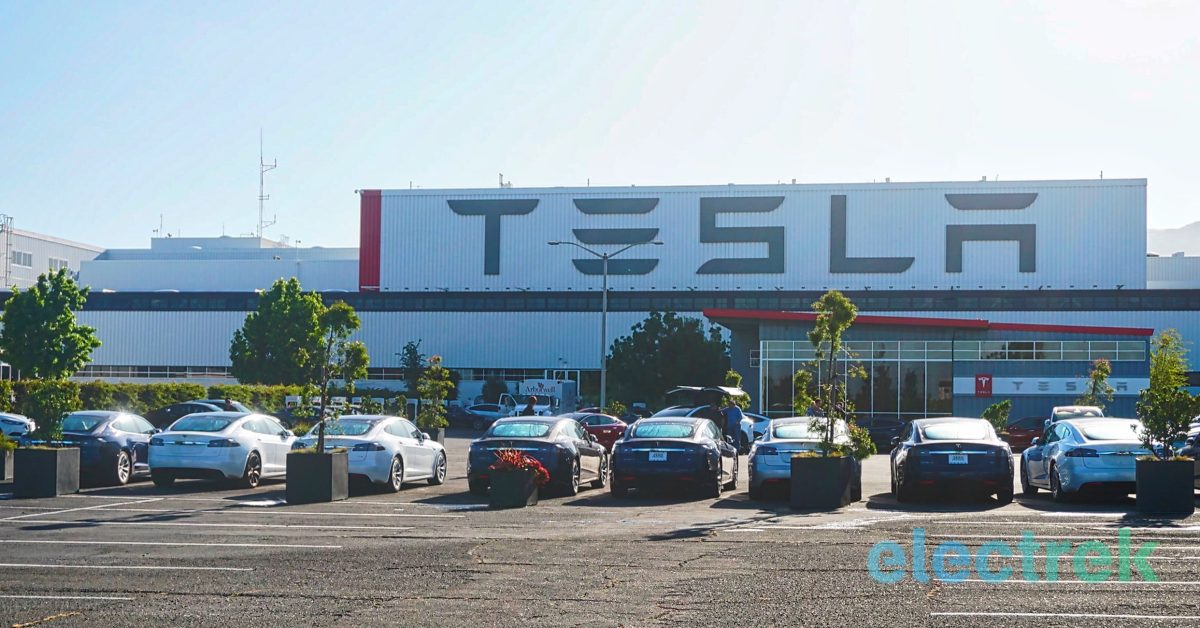
Tesla's Lawyers Misled Witness in Racism Trial
Tesla's ongoing racism trial in California has faced significant setbacks as it was revealed that a…
18h ago
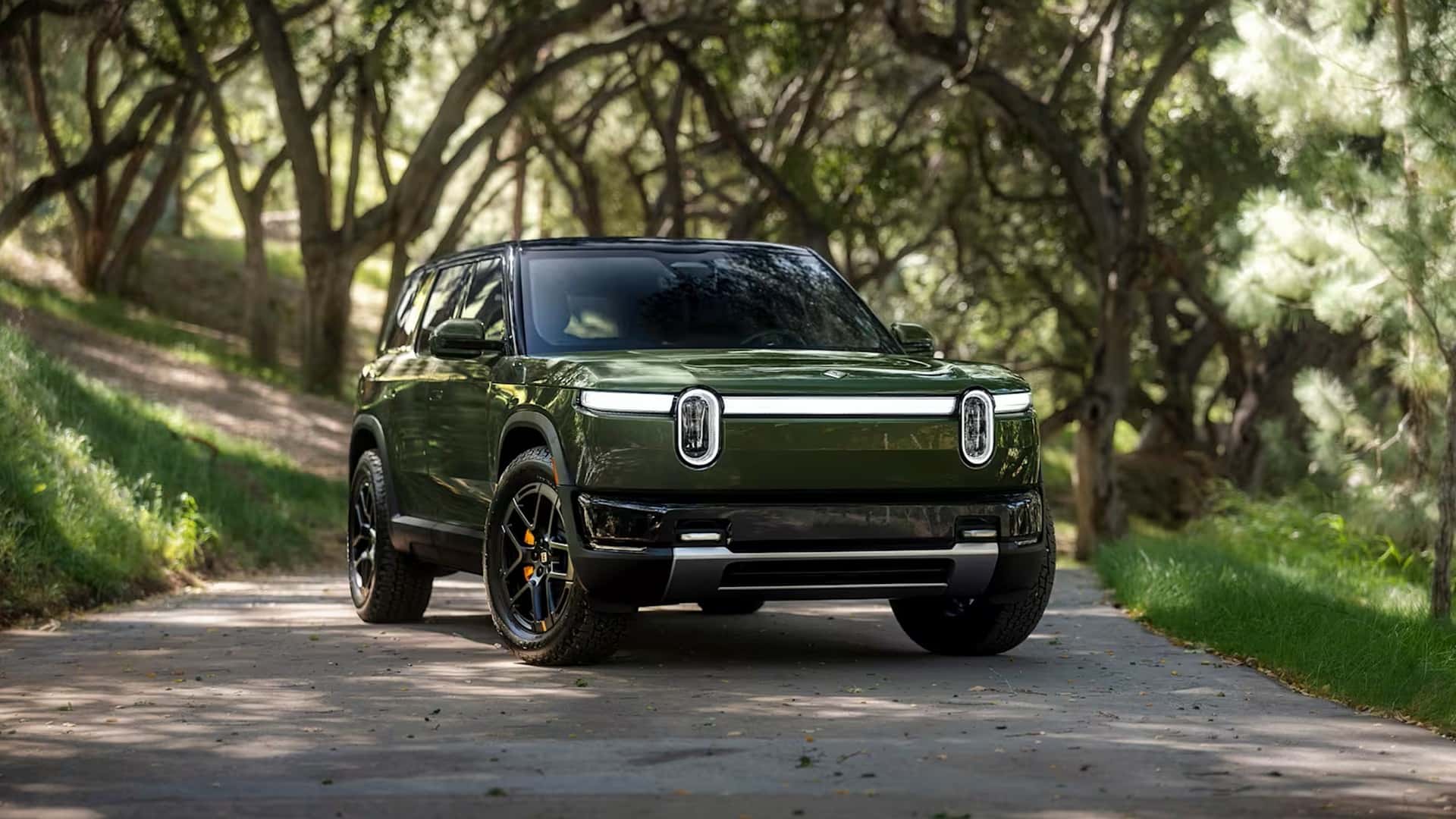
Rivian R2 Faces First Recall Due to Camera Issue
Rivian has issued a recall affecting nearly 99,000 vehicles, including some of its new R2 models,…
18h ago
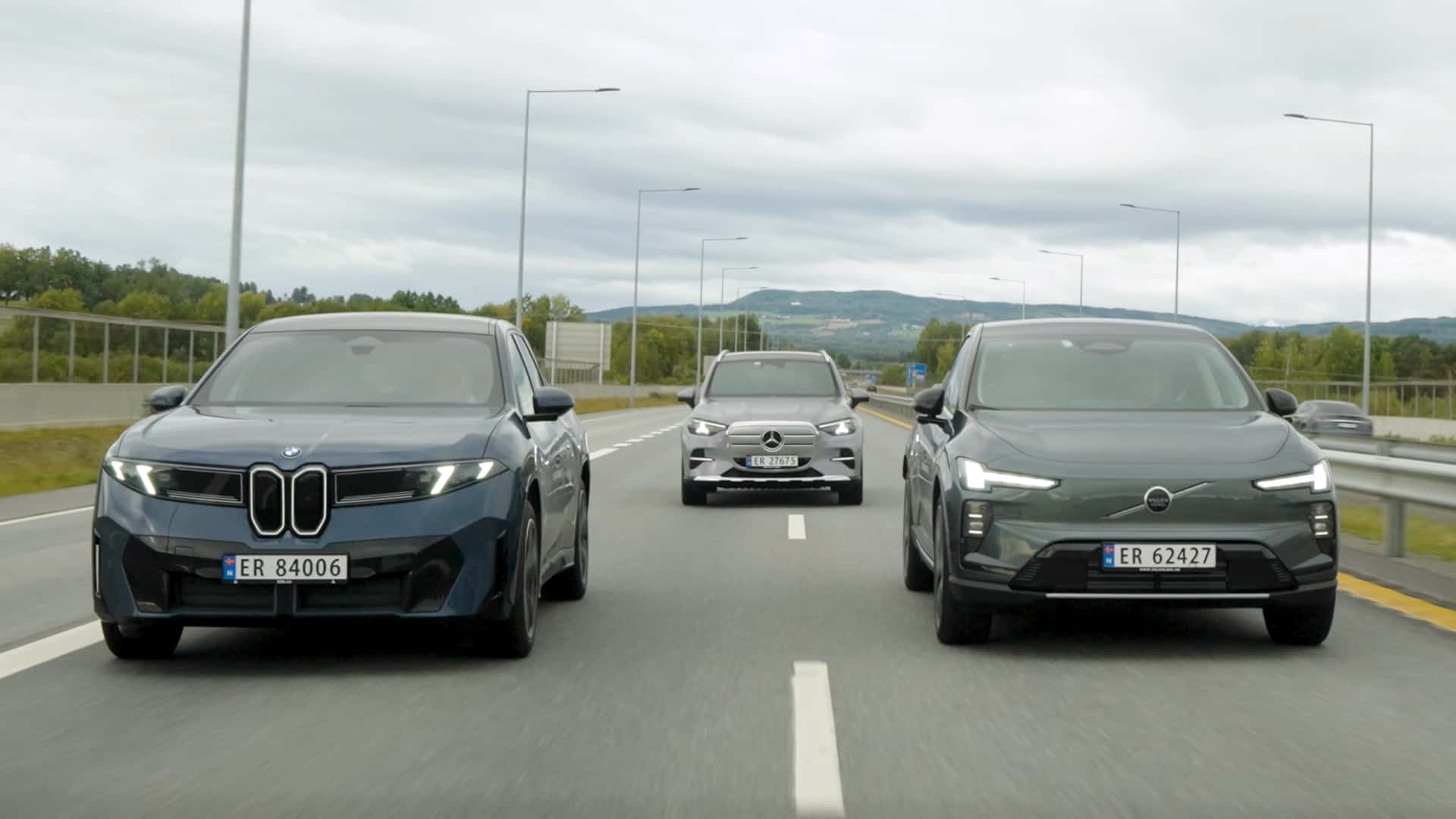
BMW iX3 Outperforms Mercedes GLC and Volvo EX60 in Highway Efficiency Test
In a recent highway test, the BMW iX3 demonstrated superior energy efficiency and range compared to…
1d ago
PHEV Batteries Show Resilience Despite Frequent Cycling
Plug-in hybrid electric vehicles (PHEVs) experience more frequent battery cycling than fully…
1d ago