Study Finds No Impact of Wind and Solar Farms on Nearby Home Values
A recent 20-year study conducted in Indiana has found no evidence that the presence of wind and solar farms negatively affects the values of nearby homes. This finding challenges a common concern among residents regarding the potential devaluation of their properties due to renewable energy installations.

Key takeaways
30-second read- 1The stability of home values near renewable energy projects may encourage more homeowners to consider electric vehicles, knowing that their property values are not at risk.
- 2Increased acceptance of renewable energy projects could lead to more charging infrastructure being developed in those areas, benefiting EV owners.
- 3As home values remain stable, buyers may feel more confident investing in homes near renewable energy sources, potentially increasing the market for EV-friendly homes.
Confirmed
No official source linked yet
Reported
Secondary reporting: Electrek
Verify yourself
Eligibility, local prices and dates for your car, state or utility
Study Overview
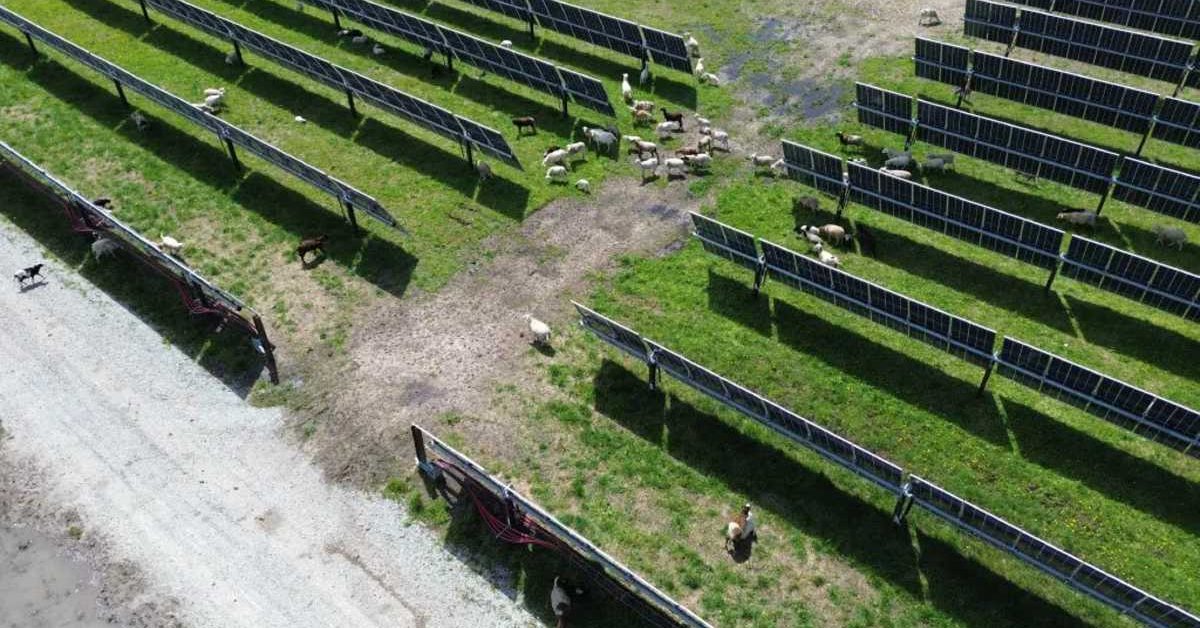
A significant finding from a 20-year study in Indiana reveals that wind and solar farms do not negatively impact the values of nearby homes. This research addresses a prevalent concern among homeowners and potential buyers regarding the economic implications of renewable energy installations in their vicinity.
What Changed
The study, which spanned two decades, specifically examined the relationship between the proximity of homes to wind and solar farms and their market values. Contrary to common beliefs that such renewable energy projects could devalue properties, the research concluded that there was no discernible negative effect on home prices.
Why It Matters for Buyers and Owners
The implications of this study are significant for both current homeowners and potential buyers in areas where renewable energy projects are being developed:
- Home Value Stability: With the assurance that home values remain stable near wind and solar farms, homeowners may feel more secure in their investments, reducing anxiety about potential losses in property value.
- Encouragement for EV Adoption: As communities become more accepting of renewable energy, it could lead to enhanced infrastructure for electric vehicles, such as charging stations, making it more convenient for EV owners.
- Market Confidence: The findings may foster greater confidence among buyers looking for homes near renewable energy sources, potentially increasing the demand for properties that are already EV-friendly or have access to charging facilities.
Key Details from the Source Material
According to the article from Electrek, the study's findings challenge the narrative that wind and solar farms are detrimental to home values. This conclusion is particularly relevant as the push for renewable energy continues to grow, and more projects are proposed across various states. The research provides a data-backed perspective that could influence public opinion and policy regarding the development of renewable energy infrastructure.
What to Watch Next
As the conversation around renewable energy and its impact on local economies evolves, it will be important to monitor further studies and data that may emerge from other regions. Additionally, observing how local governments and communities respond to this research could shape future renewable energy projects and their acceptance. The ongoing development of charging infrastructure in areas with renewable energy projects will also be a key factor in enhancing the appeal of electric vehicles for homeowners and potential buyers alike.
Sources
1 media- [1]Do wind and solar farms tank home values? A 20-year study has an answerMedia
Electrek · electrek.co · published Sep 8
Newsletter
Weekly EV signal. No spam.
Comments
Log in with
Loading comments…