
States Target Embodied Carbon with New Policy Playbook

Edited by Ionna Brakeley
Charging & Ownership
Updated October 12, 2026
3 min read
1 linked source
A new policy playbook aims to help states reduce embodied carbon emissions in the built environment, which has significant climate impacts. This initiative focuses on building codes and procurement strategies, potentially affecting construction practices and material sourcing. However, the specific implementation details and timelines remain unclear.
Share this story
Why it matters
- ✓Reducing embodied carbon could lead to lower overall emissions associated with construction, indirectly benefiting EV buyers by promoting a cleaner environment.
- ✓Changes in building codes may influence the availability and design of EV charging infrastructure in new developments.
- ✓The focus on sustainable materials may affect the cost and availability of construction materials, impacting the development of EV-related facilities.
States Target Embodied Carbon with New Policy Playbook
A new policy playbook titled "Building Codes, Buy Clean, and Beyond: An Embodied Carbon State Policy Playbook" has been introduced to assist states in addressing embodied carbon emissions in the built environment. This initiative recognizes that the construction sector contributes significantly to climate-warming pollution, and reducing these emissions is seen as a critical next step in climate action.
What Changed
The playbook emphasizes the importance of revising building codes and adopting procurement strategies that prioritize low-carbon materials. States are beginning to acknowledge the potential for substantial emissions reductions through these measures, which could lead to broader environmental benefits. However, the specific details regarding how states will implement these changes and the timeline for doing so are still under discussion.
Why It Matters for Buyers and Owners
- Environmental Impact: By reducing embodied carbon emissions, the initiative could lead to a cleaner environment, which benefits all, including EV buyers who are looking for sustainable options.
- Infrastructure Development: Changes in building codes may directly impact the design and availability of EV charging infrastructure in new residential and commercial developments, making it easier for EV owners to access charging stations.
- Material Costs: The focus on sustainable materials could affect the cost and availability of construction materials, potentially influencing the development of facilities that support EV ownership, such as charging stations.
Key Details from Source Material
According to CleanTechnica, the built environment is often overlooked in discussions about climate change, with policymakers traditionally focusing on operational emissions related to heating and cooling. The new playbook aims to shift this focus by highlighting the significant emissions associated with the materials used in construction and the processes involved in building.
The playbook suggests that states can achieve tangible emissions reductions by adopting policies that encourage the use of low-carbon materials and practices. This includes revising building codes to support sustainable construction and implementing procurement strategies that prioritize environmentally friendly materials.
What to Watch Next
As states begin to explore the recommendations outlined in the playbook, it will be important to monitor how these policies are adopted and implemented. Key areas to watch include:
- The timeline for states to revise building codes and adopt new procurement strategies.
- Any emerging regulations that specifically address the integration of EV charging infrastructure in new developments.
- The impact of these changes on the cost and availability of construction materials, which could influence the broader market for EV-related facilities.
In conclusion, while the new policy playbook represents a significant step forward in addressing embodied carbon emissions, the details of its implementation remain to be seen. Stakeholders in the EV market, including buyers and owners, should stay informed about how these developments may affect the landscape of sustainable construction and infrastructure.
Sources
These are the documents and reports used to build this brief so readers can verify the story directly.
- Building Codes, Buy Clean, and Beyond: An Embodied Carbon State Policy Playbook — CleanTechnicaMEDIA
Reporting notes
EV Signal briefs are written to explain the verified change first, then add the context EV buyers and owners need to understand cost, availability, charging access, eligibility, or ownership impact.
If details are still developing, we try to say what is confirmed, what comes from secondary reporting, and what readers should verify before acting.
Source mix
1 linked source
1 media
Reviewed from: CleanTechnica.
Comments
Log in with
Loading comments…
More in Ownership
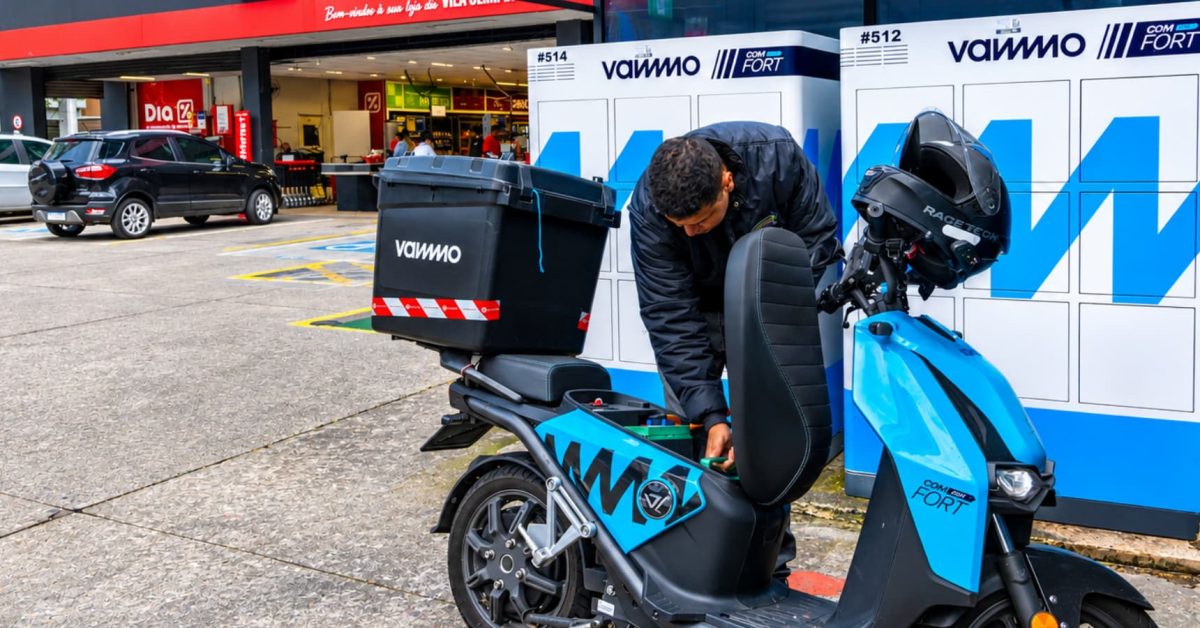
Vammo Achieves 10 Million Battery Swaps and Reports Profitability
Brazilian electric motorcycle company Vammo has reached a significant milestone by completing over…
2h ago

Waymo Launches Updated Ojai Robotaxi
Waymo has introduced a new version of its Ojai robotaxi, enhancing its self-driving vehicle…
2h ago

The Solar Century: Key Milestones in Solar Energy Development
The history of solar energy in the U.S. marks significant advancements since the invention of the…
2h ago

NYC E-Bike and Scooter Fatalities Highlight Overlooked Vehicle Involvement
Recent reports indicate that fatal accidents involving e-bikes and electric scooters in New York…
2h ago