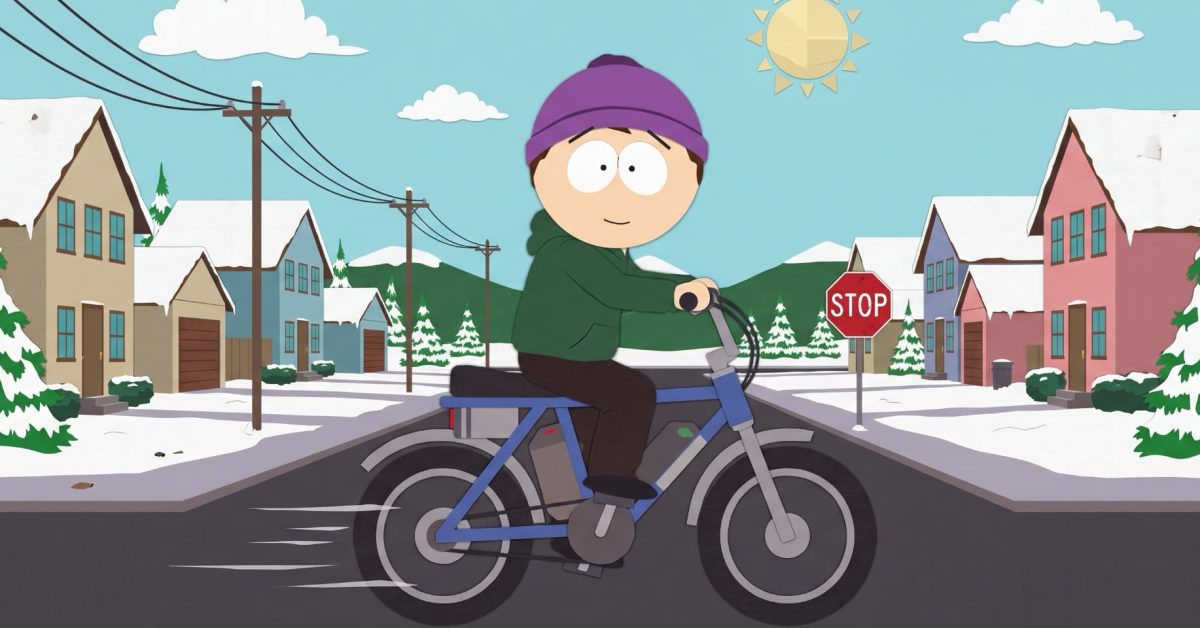
South Park Addresses America's E-Bike Issues with Insightful Commentary
Updated September 21, 2026
3 min read
1 linked source
In a recent episode, South Park tackled the complexities surrounding e-bikes in America, offering surprising insights amidst its trademark humor. The show highlighted various challenges, including societal attitudes and regulatory issues affecting e-bike adoption. While the satire is entertaining, it also reflects real concerns that potential e-bike buyers and owners may face.
Share this story
Why it matters
- ✓The episode brings attention to the societal perceptions of e-bikes, which could influence buyer decisions and acceptance.
- ✓It highlights regulatory challenges that may impact the availability and use of e-bikes in various regions.
- ✓The commentary could spark discussions on how to improve e-bike infrastructure and policies, ultimately benefiting current and prospective owners.
Reporting notes
EV Signal briefs are written to explain the verified change first, then add the context EV buyers and owners need to understand cost, availability, charging access, eligibility, or ownership impact.
If details are still developing, we try to say what is confirmed, what comes from secondary reporting, and what readers should verify before acting.
Source mix
1 linked source
1 media
Reviewed from: Electrek.
South Park Addresses America's E-Bike Issues
In a recent episode, South Park took a bold step by addressing the complexities surrounding e-bikes in America. While the show is known for its edgy humor, this particular episode offered surprising insights into the challenges and societal perceptions that affect e-bike adoption and ownership.
What Changed
The episode features various scenarios that reflect the current state of e-bikes in America, including the societal attitudes towards them and the regulatory hurdles that potential buyers face. South Park's unique blend of humor and social commentary sheds light on how these factors can influence consumer behavior and public policy regarding e-bikes.
Why It Matters for Buyers and Owners
The insights from South Park's episode are particularly relevant for current and prospective e-bike owners. Here are a few key takeaways:
- Societal Perceptions: The show highlights how public attitudes towards e-bikes can impact their acceptance and use. This could affect how buyers perceive the value of investing in an e-bike.
- Regulatory Challenges: By addressing the complexities of e-bike regulations, the episode underscores the importance of supportive policies for e-bike infrastructure, which can enhance the ownership experience.
- Discussion Catalyst: The episode may encourage discussions among policymakers and the public about how to improve e-bike infrastructure and regulations, ultimately benefiting current and future e-bike owners.
Key Details from Source Material
According to Electrek, South Park's portrayal of e-bikes includes elements such as biker gangs and exaggerated societal reactions, yet it manages to touch on real issues that e-bike users face today. The humor serves as a vehicle for deeper commentary on the barriers to e-bike adoption, including misconceptions and regulatory hurdles that can deter potential buyers.
What to Watch Next
As the conversation around e-bikes continues to evolve, it will be important to monitor any changes in public policy or infrastructure that may arise as a result of increased awareness. Additionally, the reactions from the community and policymakers to the episode could shape future discussions on e-bike regulations and support systems. Keep an eye on how this episode influences both consumer attitudes and potential legislative changes in the coming months.
Sources
These are the documents and reports used to build this brief so readers can verify the story directly.
Comments
Log in with
Loading comments…
More in Ownership
Tesla's Lawyers Misled Witness in Racism Trial
Tesla's ongoing racism trial in California has faced significant setbacks as it was revealed that a…
17h ago
Rivian R2 Faces First Recall Due to Camera Issue
Rivian has issued a recall affecting nearly 99,000 vehicles, including some of its new R2 models,…
17h ago
BMW iX3 Outperforms Mercedes GLC and Volvo EX60 in Highway Efficiency Test
In a recent highway test, the BMW iX3 demonstrated superior energy efficiency and range compared to…
23h ago
PHEV Batteries Show Resilience Despite Frequent Cycling
Plug-in hybrid electric vehicles (PHEVs) experience more frequent battery cycling than fully…
1d ago