
Solar Electric Garbage Trikes Provide Waste Management Solution in Cuba Amid US Blockade
Updated August 27, 2026
3 min read
1 linked source
Cuba is facing a significant crisis in garbage collection due to a US-imposed blockade on fuel shipments. In response, a startup has introduced solar-powered electric trikes to manage waste collection in a neighborhood of Havana. This initiative aims to alleviate some of the challenges posed by the blockade, although its long-term sustainability remains uncertain.
Share this story
Why it matters
- ✓The introduction of solar electric vehicles highlights the potential for alternative energy solutions in areas facing fuel shortages.
- ✓This initiative could inspire similar projects in other regions affected by resource scarcity, potentially increasing interest in electric vehicle technology.
- ✓For EV buyers and owners, this development underscores the importance of renewable energy sources in maintaining vehicle operation in challenging circumstances.
Reporting notes
EV Signal briefs are written to explain the verified change first, then add the context EV buyers and owners need to understand cost, availability, charging access, eligibility, or ownership impact.
If details are still developing, we try to say what is confirmed, what comes from secondary reporting, and what readers should verify before acting.
Source mix
1 linked source
1 media
Reviewed from: Electrek.
Solar Electric Garbage Trikes Provide Waste Management Solution in Cuba Amid US Blockade
Cuba is grappling with a severe crisis in waste management, particularly in its capital, Havana, due to a US-imposed blockade that restricts fuel shipments. This blockade has led to significant challenges, including a breakdown in garbage collection services. In response to this pressing issue, a startup has launched an innovative solution: solar-powered electric trikes designed specifically for garbage collection in one neighborhood of Havana.
What Changed
The introduction of solar electric garbage trikes marks a significant shift in how waste management is approached in Cuba amidst ongoing fuel shortages. Traditional garbage collection methods have been severely hampered by the blockade, leading to unsightly and unsanitary conditions in urban areas. The startup's initiative not only addresses the immediate need for waste collection but also leverages renewable energy to power these vehicles, showcasing a potential pathway for sustainable urban services in resource-constrained environments.
Why It Matters for Buyers and Owners
-
Alternative Energy Solutions: The use of solar-powered vehicles in waste management illustrates the viability of alternative energy sources in overcoming fuel shortages, which could be relevant for EV buyers considering sustainability in their vehicle choices.
-
Inspiration for Similar Initiatives: This project could serve as a model for other regions facing similar challenges, potentially increasing the adoption of electric vehicles in various sectors, including public services and logistics.
-
Highlighting Renewable Energy: The initiative emphasizes the importance of renewable energy in maintaining vehicle operation, which may resonate with current and prospective EV owners who prioritize sustainability in their transportation choices.
Key Details from Source Material
According to Electrek, the startup's solar electric trikes are specifically designed to navigate the streets of Havana and collect garbage efficiently. This approach not only addresses the immediate waste management crisis but also aligns with global trends toward sustainable urban solutions. The reliance on solar power mitigates some of the challenges posed by the fuel blockade, providing a lifeline for the community while also promoting the use of clean energy technologies.
What to Watch Next
As this initiative unfolds, it will be important to monitor its impact on waste management in Havana and whether it can be scaled to other neighborhoods or cities in Cuba. Additionally, the long-term sustainability of using solar-powered vehicles in this context remains to be seen, particularly in terms of maintenance, operational costs, and community acceptance. Observers should also look for any potential replication of this model in other regions facing similar resource constraints, which could further influence the electric vehicle landscape globally.
Sources
These are the documents and reports used to build this brief so readers can verify the story directly.
Comments
Log in with
Loading comments…
More in Ownership
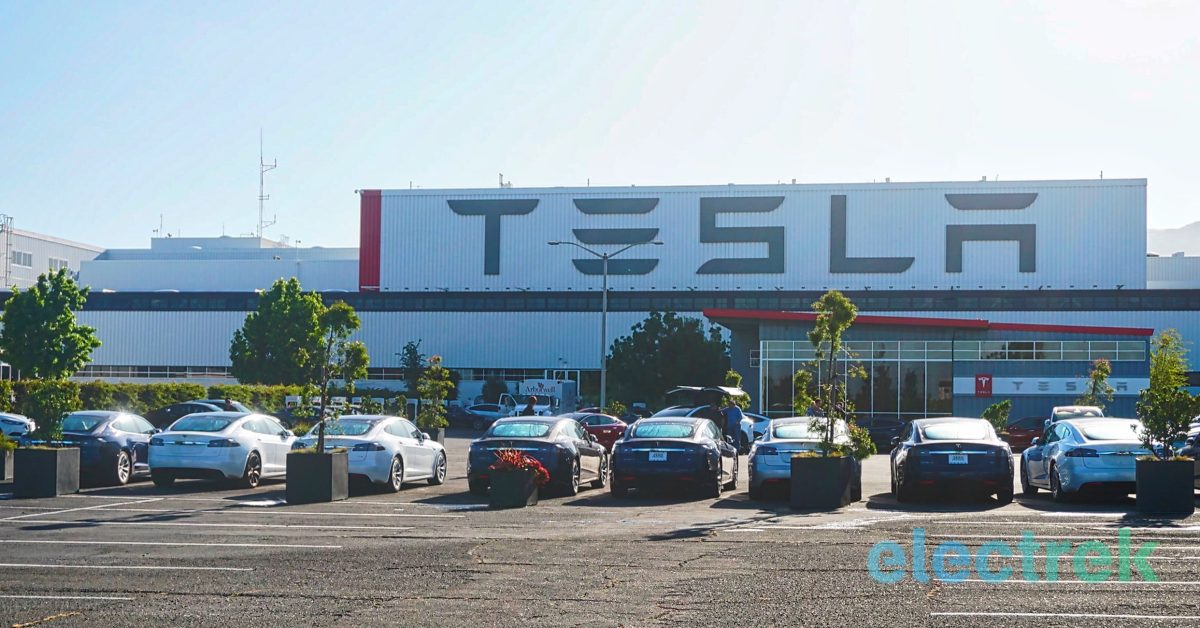
Tesla's Lawyers Misled Witness in Racism Trial
Tesla's ongoing racism trial in California has faced significant setbacks as it was revealed that a…
18h ago
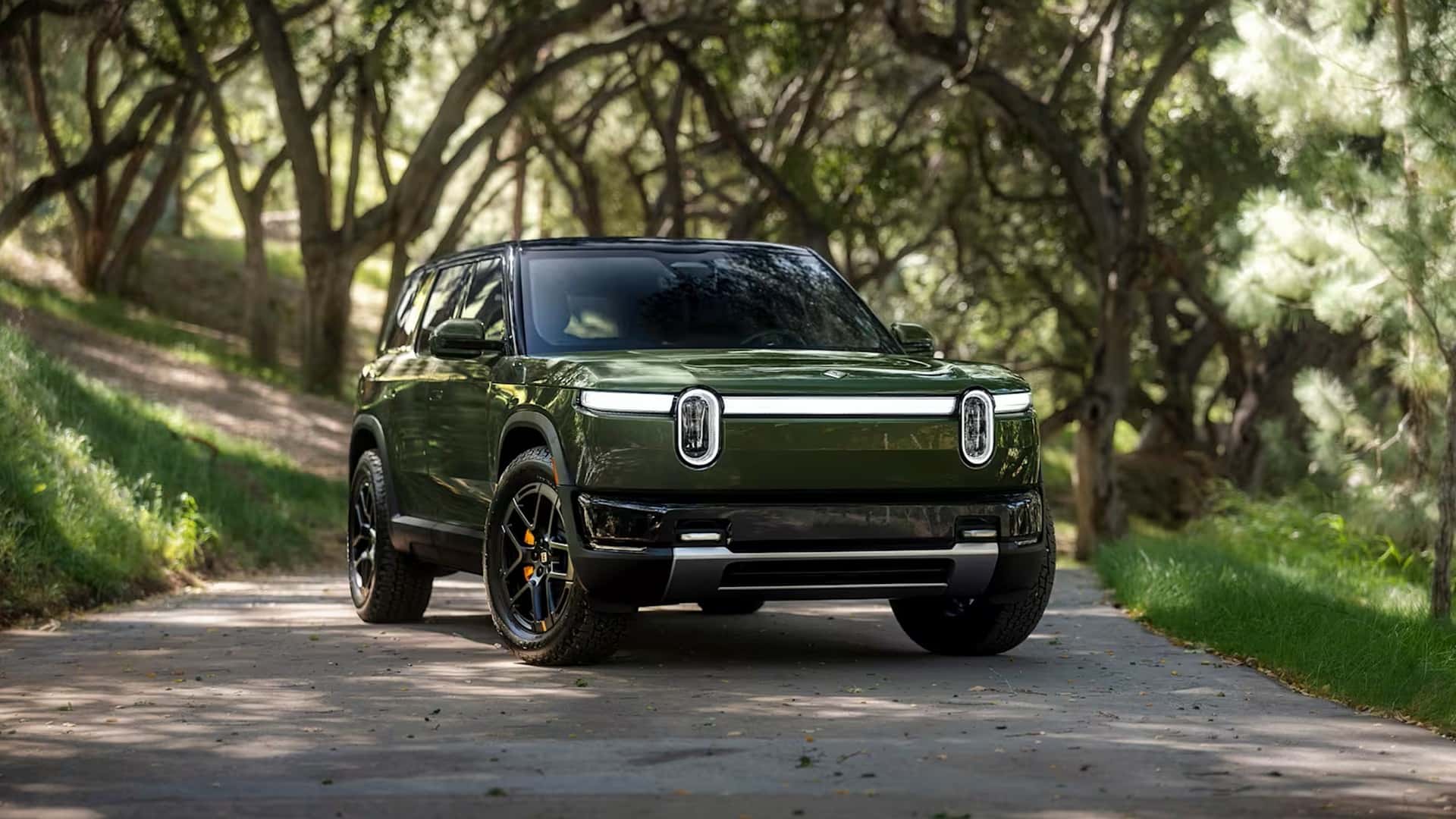
Rivian R2 Faces First Recall Due to Camera Issue
Rivian has issued a recall affecting nearly 99,000 vehicles, including some of its new R2 models,…
18h ago
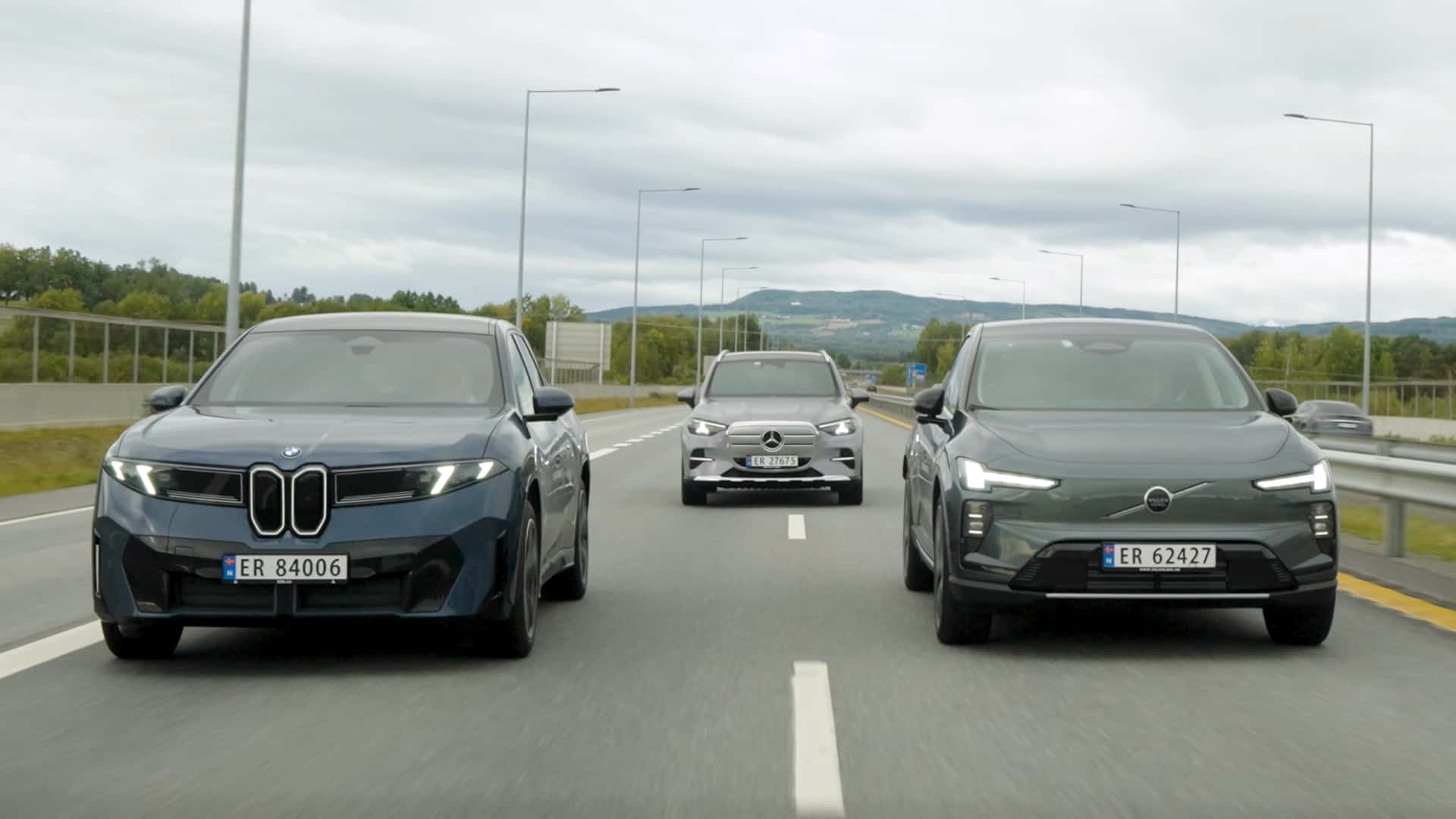
BMW iX3 Outperforms Mercedes GLC and Volvo EX60 in Highway Efficiency Test
In a recent highway test, the BMW iX3 demonstrated superior energy efficiency and range compared to…
1d ago
PHEV Batteries Show Resilience Despite Frequent Cycling
Plug-in hybrid electric vehicles (PHEVs) experience more frequent battery cycling than fully…
1d ago