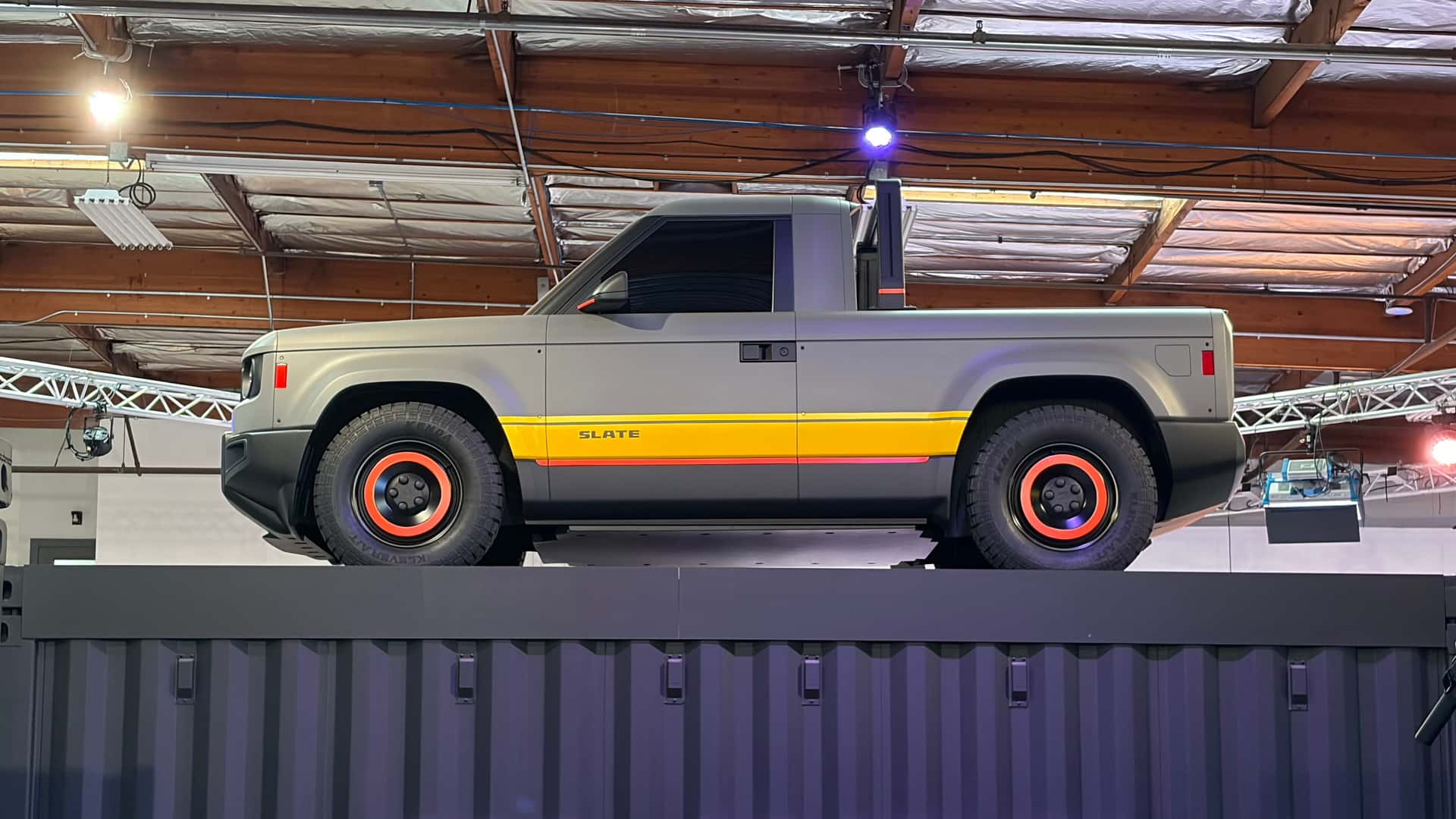
Slate Truck to Use LFP Batteries Instead of NMC Cells
Updated June 24, 2026
3 min read
1 linked source
Slate has reversed its initial decision to use NMC cells for its affordable electric truck, opting instead for LFP batteries. This change may impact the truck's performance and cost, but specific details about range and pricing remain unclear.
Share this story
Why it matters
- ✓LFP batteries are generally less expensive, which could lead to a lower purchase price for the Slate Truck.
- ✓The change in battery type may affect the truck's range and charging characteristics, which are important for potential buyers.
- ✓Availability of LFP batteries may improve production timelines, potentially speeding up the delivery of the Slate Truck.
Reporting notes
EV Signal briefs are written to explain the verified change first, then add the context EV buyers and owners need to understand cost, availability, charging access, eligibility, or ownership impact.
If details are still developing, we try to say what is confirmed, what comes from secondary reporting, and what readers should verify before acting.
Source mix
1 linked source
1 media
Reviewed from: InsideEVs.
Slate Truck's Battery Change
Slate has announced a significant shift in its battery strategy for the upcoming Slate Truck, moving from the originally planned NMC (Nickel Manganese Cobalt) cells to LFP (Lithium Iron Phosphate) batteries. This decision marks a notable change for the company, which aims to provide a bare-bones, affordable electric vehicle (EV) for the market.
What Changed?
Initially, Slate intended to utilize NMC cells, which are known for their energy density and performance. However, the company has decided to pivot to LFP batteries, which are typically cheaper and safer but may offer lower energy density compared to NMC cells. This change raises questions about the truck's overall range and performance, aspects that are crucial for potential buyers.
Why It Matters for Buyers and Owners
The switch to LFP batteries could have several implications for those interested in the Slate Truck:
- Cost Efficiency: LFP batteries are generally less expensive to produce than NMC cells, which may result in a lower purchase price for the Slate Truck, making it more accessible to a broader range of consumers.
- Performance Considerations: While LFP batteries are known for their safety and longevity, they typically have a lower energy density, which could affect the truck's range. Potential buyers should consider how this might impact their day-to-day use, especially if they plan to use the truck for longer trips.
- Production and Availability: The use of LFP batteries might streamline production processes, potentially leading to faster delivery times for the Slate Truck. This could benefit buyers who are eager to get their hands on the vehicle as soon as possible.
Key Details from Source Material
According to InsideEVs, the decision to switch from NMC to LFP batteries reflects Slate's commitment to providing an affordable EV option. While the exact specifications regarding range and pricing are not yet confirmed, the company is likely to focus on the cost-saving benefits of LFP technology. This change aligns with a broader industry trend where manufacturers are increasingly adopting LFP batteries for their cost-effectiveness and safety features.
What to Watch Next
As details about the Slate Truck continue to develop, potential buyers should keep an eye on announcements regarding the truck's range, pricing, and production timelines. Additionally, it will be important to monitor how the shift to LFP batteries affects the overall performance and charging capabilities of the vehicle. Slate's transparency in these areas will be crucial for consumer confidence as the launch date approaches.
Sources
These are the documents and reports used to build this brief so readers can verify the story directly.
- Why The Slate Truck Will Use LFP Batteries After All — InsideEVsMEDIA
Comments
Log in with
Loading comments…
More in Models & Pricing
Renault 8 Gordini Returns as Rear-Wheel Drive EV
Renault has unveiled the return of the iconic Renault 8 Gordini as a rear-wheel drive electric…
Just now
Bentley's First EV, the Torcal, Offers Rapid Charging Capabilities
Bentley has launched its first electric vehicle, the Torcal, a midsize SUV that boasts rapid…
12h ago
Fiat Grande Panda Outperforms Claimed Range in Real-World Test
In a recent highway range test, the Fiat Grande Panda exceeded its officially claimed range,…
12h ago
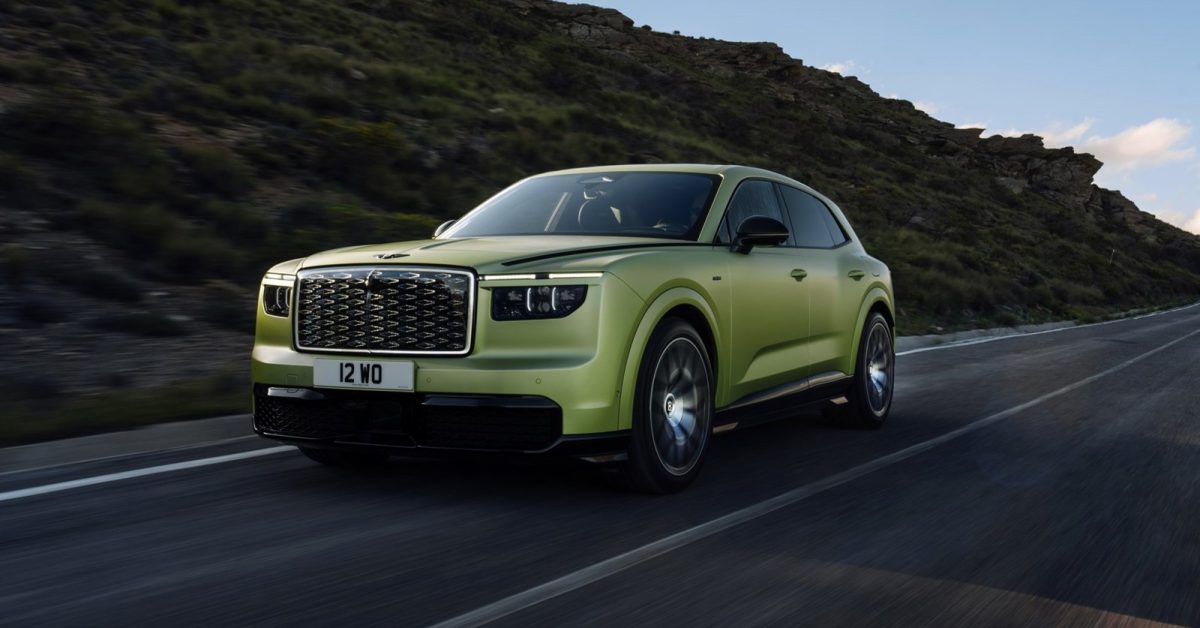
Bentley Launches Torcal, Its First All-Electric SUV
Bentley has officially unveiled the Torcal, marking its entry into the electric vehicle market.…
12h ago