
Sinopec Declares Hydrogen for Heavy Trucks Obsolete

Edited by Volta Kessrin
Models, Pricing & Buying
Updated July 2, 2026
3 min read
1 linked source
Sinopec, the world's second-largest oil company, has declared that hydrogen fuel cell technology for heavy trucks is no longer viable due to advancements in electric vehicle (EV) technology. This shift indicates a significant change in the heavy trucking sector, as electric trucks are increasingly seen as the more practical solution. The company’s internal magazine highlights that improvements in battery technology and charging infrastructure are diminishing the competitive edge that hydrogen once held.
Share this story
Why it matters
- ✓EV buyers may find electric trucks to be more accessible and cost-effective as hydrogen options decline.
- ✓The growing focus on electric heavy trucks could lead to better charging infrastructure and support for EV owners.
- ✓As hydrogen technology wanes, investment and innovation may shift more towards electric vehicle technologies, enhancing their development and availability.
Hydrogen for Heavy Trucks is Declared Dead
Sinopec, the world's second-largest oil company, has officially stated that hydrogen fuel cell technology for heavy trucks is no longer a viable option. This announcement marks a significant turning point in the heavy trucking industry, where electric vehicles (EVs) are rapidly gaining traction as the preferred solution. According to Sinopec’s internal magazine, advancements in battery technology and the expansion of charging infrastructure have effectively nullified the advantages that hydrogen once offered.
What Changed
The key change is Sinopec's assessment that hydrogen-powered heavy trucks are being outpaced by electric trucks. This conclusion is based on the company's analysis of current technological advancements and market trends. As electric vehicle technology continues to improve, including battery efficiency and charging speed, the practicality of hydrogen as a fuel source for heavy trucks has diminished.
Why It Matters for Buyers and Owners
The implications of this shift are significant for current and prospective EV buyers and owners:
- Accessibility and Cost-Effectiveness: With hydrogen technology being sidelined, buyers may find electric trucks to be more accessible and cost-effective. This could lead to increased competition among manufacturers, potentially lowering prices.
- Improved Charging Infrastructure: As the industry pivots towards electric trucks, we can expect enhanced charging infrastructure, making it easier for EV owners to charge their vehicles and reducing range anxiety.
- Investment in Electric Technology: The decline of hydrogen technology may lead to increased investment and innovation in electric vehicle technologies, further enhancing their development and availability in the market.
Key Details from Source Material
Sinopec's internal magazine outlines the reasons behind this shift, emphasizing that advancements in battery technology and charging infrastructure are critical factors in the decline of hydrogen fuel cell technology for heavy trucks. The company’s insights reflect a broader industry trend where electric vehicles are increasingly viewed as the more practical and sustainable option for heavy-duty transportation.
What to Watch Next
As the heavy trucking industry continues to evolve, it will be important to monitor how manufacturers respond to this shift. Key areas to watch include:
- Market Reactions: How will other companies in the trucking sector respond to Sinopec's declaration? Will they also pivot away from hydrogen?
- Technological Developments: Continued advancements in battery technology and charging solutions will be crucial in shaping the future of electric heavy trucks.
- Government Policies: Changes in regulations and incentives for electric vehicles versus hydrogen may influence the market dynamics further.
In conclusion, Sinopec's declaration signals a pivotal moment in the heavy trucking industry, favoring electric vehicles over hydrogen technology. This shift could reshape the landscape for buyers and owners, leading to more accessible and efficient options in the near future.
Sources
These are the documents and reports used to build this brief so readers can verify the story directly.
Reporting notes
EV Signal briefs are written to explain the verified change first, then add the context EV buyers and owners need to understand cost, availability, charging access, eligibility, or ownership impact.
If details are still developing, we try to say what is confirmed, what comes from secondary reporting, and what readers should verify before acting.
Source mix
1 linked source
1 media
Reviewed from: Electrek.
Comments
Log in with
Loading comments…
More in Models & Pricing
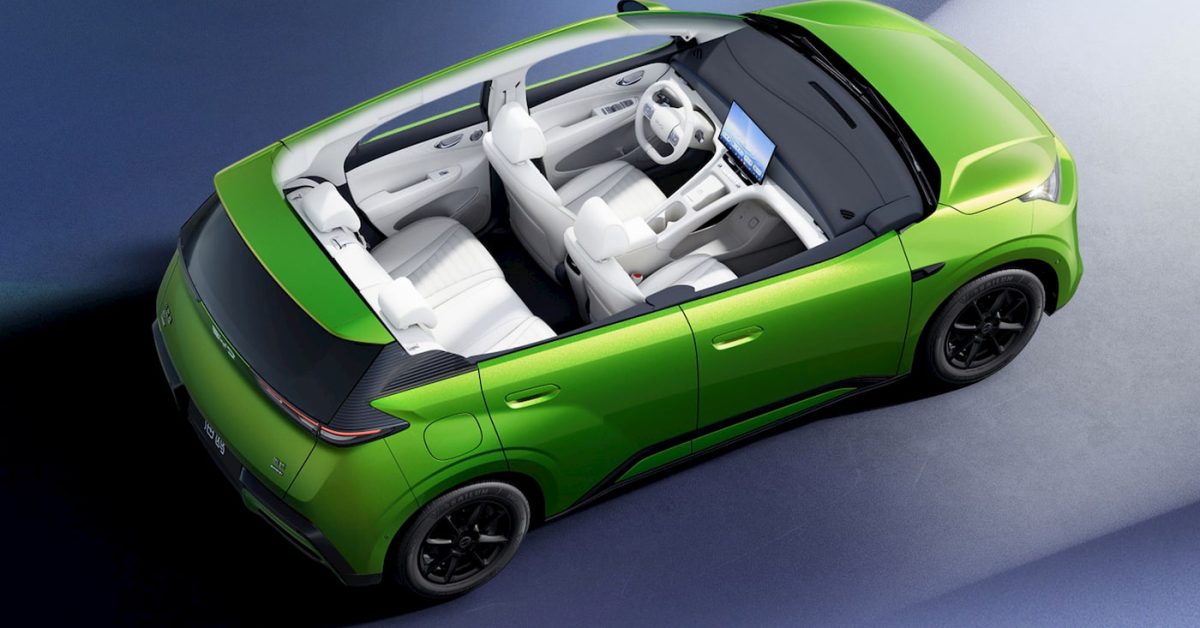
BYD's Second-Gen Seagull to Feature Upscale Design and New Features
BYD is set to release a revamped version of its budget-friendly Seagull EV, which will now be…
5h ago

Toyota's Electric Truck Survives 1,675 lb Caravan Drop Test
Toyota demonstrated the durability of its new electric truck by dropping a 1,675-pound caravan onto…
5h ago

Ford's $30,000 Fathom EV Pickup Production Launch Faces Uncertainty
Ford's upcoming Fathom EV pickup, expected to launch in early 2027 with a starting price of…
5h ago
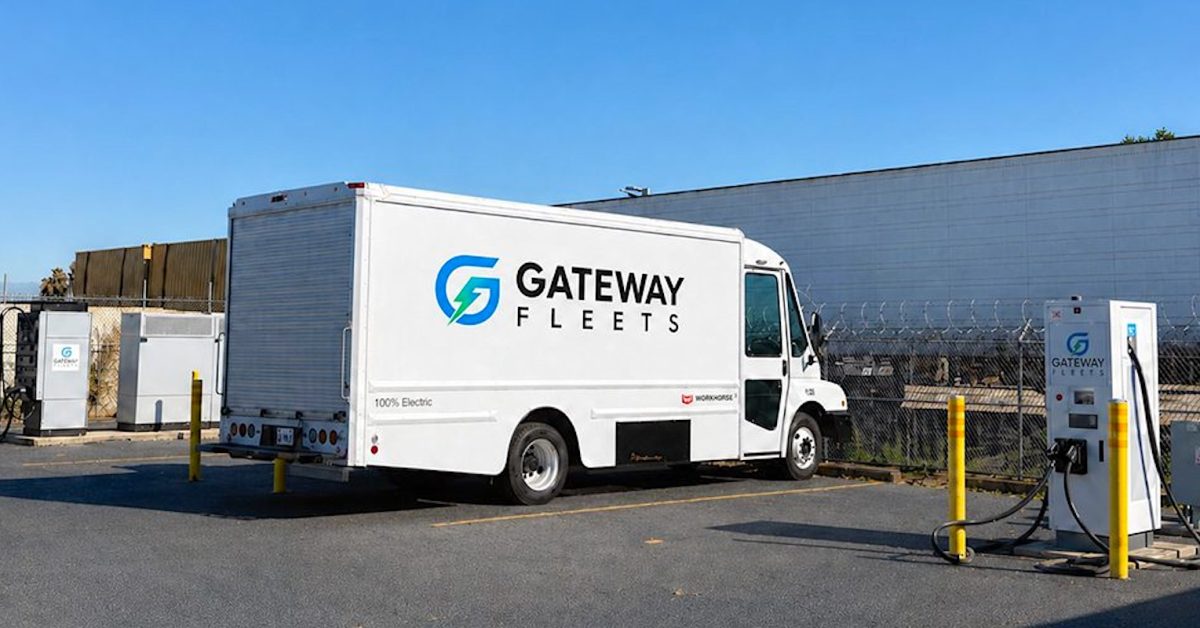
Workhorse Secures 200 Truck Order from Gateway Fleets
Workhorse has announced a new order for 200 medium-duty electric box vans from Gateway Fleets,…
5h ago