
Samsung Begins Production of Tesla's AI5 Chip at Texas Fab Using 2nm Technology
Updated July 13, 2026
3 min read
1 linked source
Samsung has started production of Tesla's AI5 self-driving chip at its foundry in Taylor, Texas, utilizing a cutting-edge 2-nanometer process. This development is significant as it confirms that the AI5 chip will be manufactured on a 2nm node, which was initially anticipated for Tesla's upcoming AI6 chip. The implications for EV buyers and owners remain to be fully understood as further details emerge.
Share this story
Why it matters
- ✓The introduction of the AI5 chip could enhance Tesla's self-driving capabilities, potentially improving vehicle performance and safety.
- ✓As production ramps up, it may lead to more advanced features in future Tesla models, impacting ownership experience.
- ✓The shift to 2nm technology could influence the cost of Tesla vehicles, depending on production efficiencies and pricing strategies.
Reporting notes
EV Signal briefs are written to explain the verified change first, then add the context EV buyers and owners need to understand cost, availability, charging access, eligibility, or ownership impact.
If details are still developing, we try to say what is confirmed, what comes from secondary reporting, and what readers should verify before acting.
Source mix
1 linked source
1 media
Reviewed from: Electrek.
Samsung's Production of Tesla's AI5 Chip
Samsung has officially commenced production of Tesla's AI5 self-driving chip at its foundry located in Taylor, Texas. This marks a significant step forward in Tesla's ongoing development of autonomous driving technology, as the AI5 chip is built using Samsung's latest 2-nanometer (2nm) process.
What Changed
The key change is the confirmation that Samsung is producing the AI5 chip on a 2nm node, which was initially expected to debut with Tesla's next-generation AI6 chip. This shift indicates that Tesla is advancing its self-driving technology sooner than anticipated, potentially leading to enhanced capabilities in its vehicles.
Why It Matters for Buyers and Owners
The production of the AI5 chip on a 2nm process is crucial for several reasons:
- Enhanced Self-Driving Features: The new chip is expected to improve Tesla's self-driving capabilities, which could lead to better performance and safety features in upcoming models.
- Impact on Future Models: As production of the AI5 chip ramps up, it may pave the way for more advanced features in Tesla vehicles, thereby enhancing the overall ownership experience.
- Cost Implications: The transition to 2nm technology could affect the pricing of Tesla vehicles, depending on how Samsung and Tesla manage production costs and efficiencies.
Key Details from Source Material
According to Electrek, the production of the AI5 chip at Samsung's Taylor fab confirms the use of 2nm technology, which is a significant advancement in semiconductor manufacturing. This technology is known for its efficiency and performance, potentially allowing Tesla to integrate more powerful processing capabilities into its vehicles. The AI5 chip is expected to play a critical role in Tesla's self-driving software, which continues to evolve rapidly.
What to Watch Next
As production continues, it will be important to monitor how the AI5 chip impacts Tesla's vehicle lineup and the introduction of new features. Additionally, keep an eye on any announcements from Tesla regarding the integration of the AI5 chip into their existing and future models. The full implications for pricing and availability of Tesla vehicles equipped with this new chip remain to be seen, and further updates from both Tesla and Samsung will be crucial in understanding the broader impact on the EV market.
Sources
These are the documents and reports used to build this brief so readers can verify the story directly.
Comments
Log in with
Loading comments…
More in Models & Pricing

Renault 8 Gordini Returns as Rear-Wheel Drive EV
Renault has unveiled the return of the iconic Renault 8 Gordini as a rear-wheel drive electric…
Just now
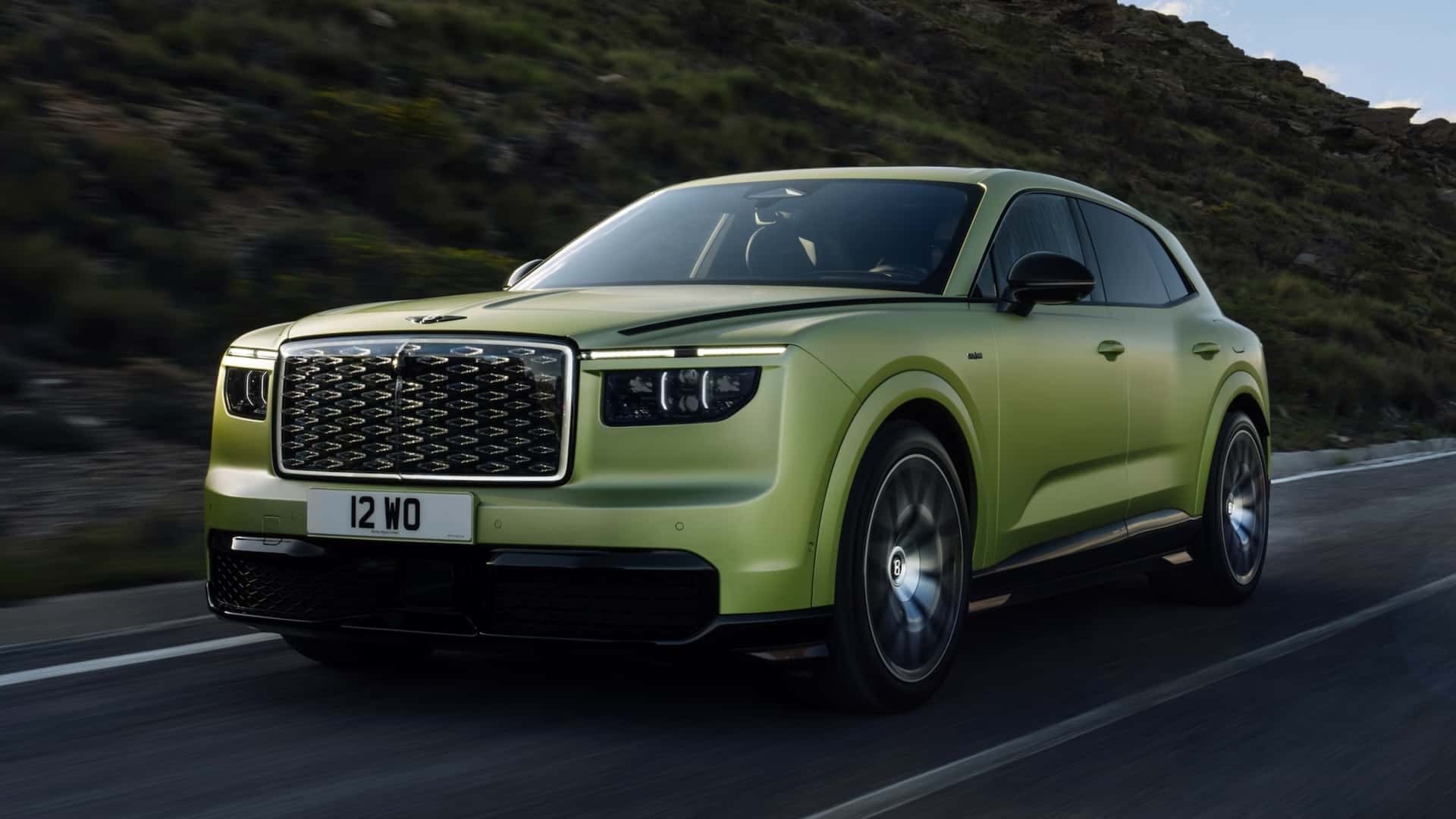
Bentley's First EV, the Torcal, Offers Rapid Charging Capabilities
Bentley has launched its first electric vehicle, the Torcal, a midsize SUV that boasts rapid…
12h ago
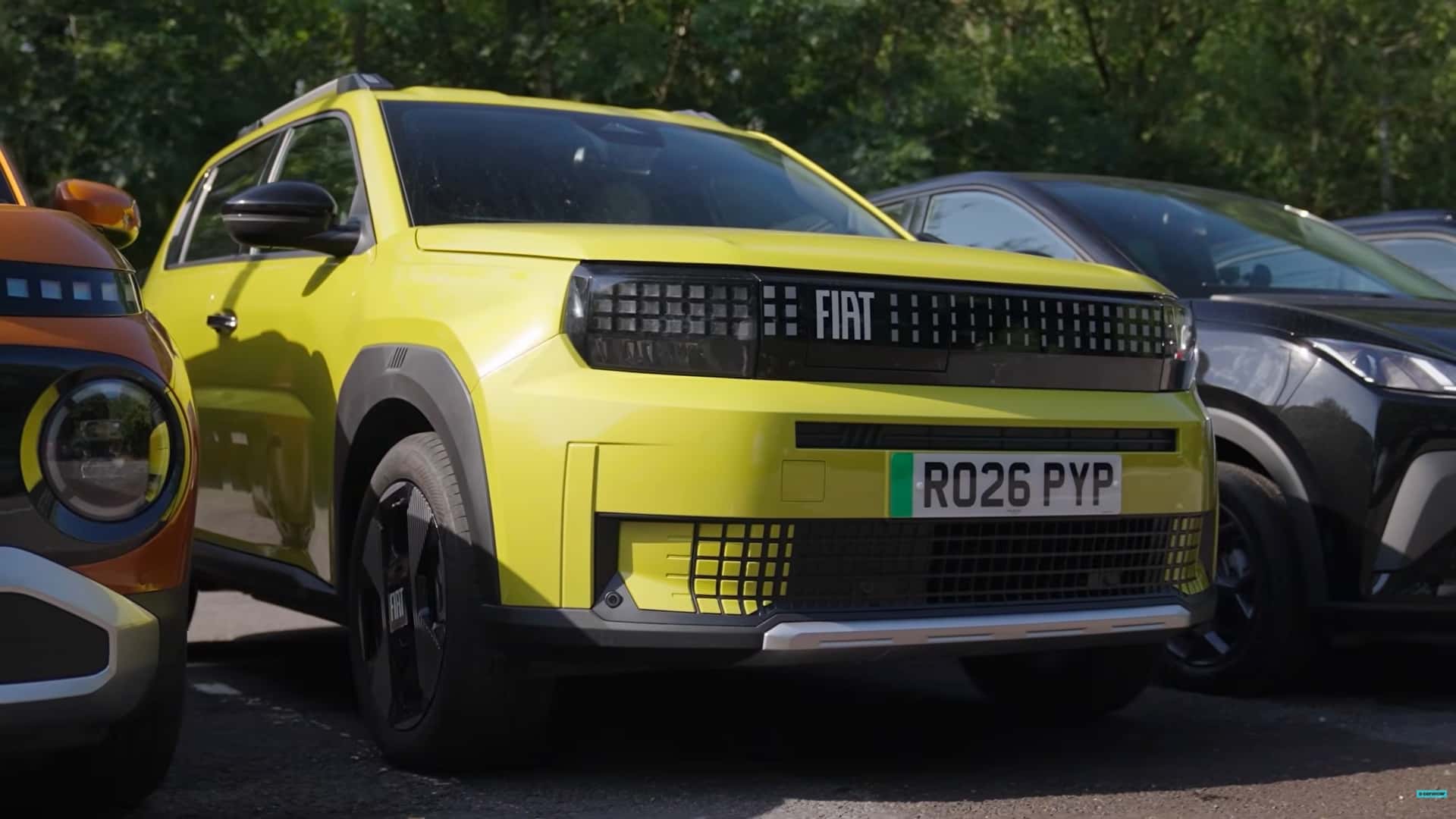
Fiat Grande Panda Outperforms Claimed Range in Real-World Test
In a recent highway range test, the Fiat Grande Panda exceeded its officially claimed range,…
12h ago
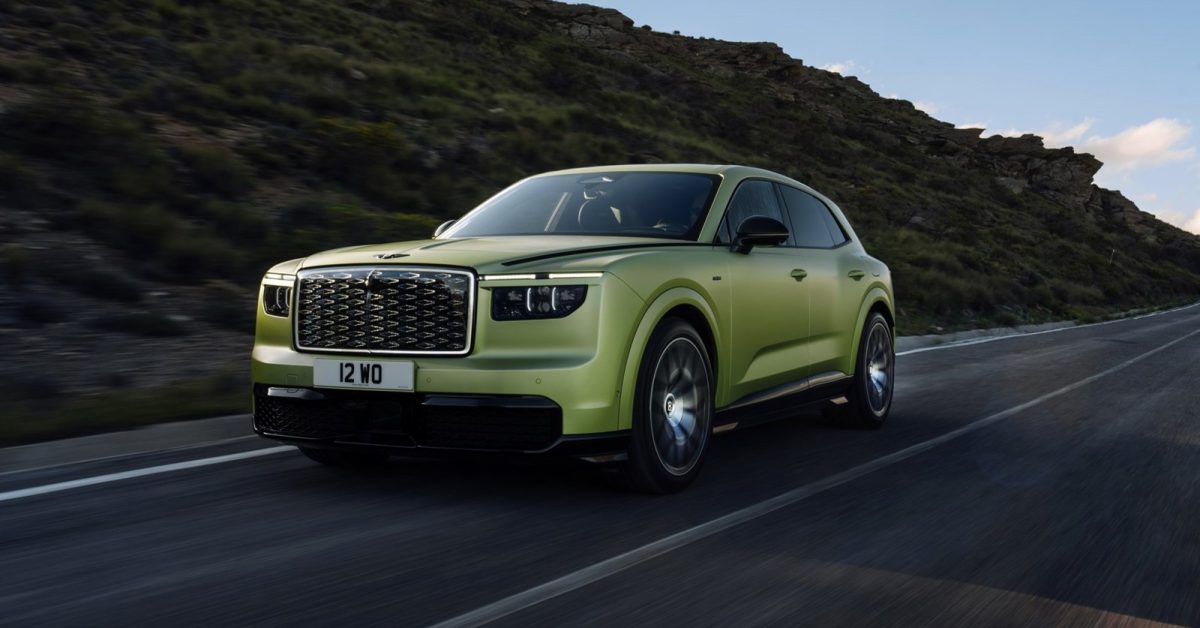
Bentley Launches Torcal, Its First All-Electric SUV
Bentley has officially unveiled the Torcal, marking its entry into the electric vehicle market.…
12h ago