Rivian Sets Ambitious Production Target for R2 by 2026
Updated March 11, 2026
4 min read
1 linked source
Rivian aims to produce 20,000 units of its upcoming R2 model by 2026, a target that is notably ambitious in the electric vehicle market. According to TechCrunch, only the Tesla Model Y has achieved such production levels faster than Rivian's planned timeline. This goal highlights Rivian's commitment to scaling its production capabilities.
Share this story
Why it matters
- ✓If Rivian meets its production target, it could increase the availability of electric vehicles in the market, providing more options for buyers.
- ✓A successful R2 launch may enhance Rivian's reputation and competitiveness against established EV manufacturers.
Reporting notes
EV Signal briefs are written to explain the verified change first, then add the context EV buyers and owners need to understand cost, availability, charging access, eligibility, or ownership impact.
If details are still developing, we try to say what is confirmed, what comes from secondary reporting, and what readers should verify before acting.
Source mix
1 linked source
1 media
Reviewed from: InsideEVs.
Rivian Sets Ambitious Production Target for R2 by 2026
Rivian, the electric vehicle (EV) manufacturer known for its innovative designs and adventurous spirit, has set an ambitious production target for its upcoming R2 model. The company aims to produce 20,000 units of the R2 by 2026, a goal that positions Rivian as a serious contender in the rapidly evolving electric vehicle market. This article delves into the implications of Rivian's production target, the context of its ambitions, and what it means for consumers and the EV landscape.
Understanding Rivian's R2 Model
The R2 is set to be Rivian's more affordable offering, targeting a broader audience compared to its flagship R1T pickup and R1S SUV. While the R1 series has garnered significant attention for its rugged capabilities and premium features, the R2 aims to democratize access to electric vehicles by providing a more budget-friendly option. This strategic move aligns with Rivian's vision of promoting sustainable transportation while appealing to a wider demographic.
The Production Timeline: A Bold Move
According to a report from TechCrunch, Rivian's goal of producing 20,000 R2 units by 2026 is particularly noteworthy because it reflects a rapid scaling of production capabilities. To put this in perspective, only the Tesla Model Y has achieved similar production levels faster than Rivian's planned timeline. This benchmark underscores the competitive nature of the EV market, where speed and efficiency in production can significantly influence a company's success.
Rivian's ambitious target is not just about numbers; it represents a commitment to enhancing its manufacturing processes and supply chain management. The company has been investing heavily in its production facilities, including its plant in Normal, Illinois, which has been the focal point of its manufacturing efforts. By streamlining operations and optimizing production lines, Rivian aims to meet its target while maintaining quality and performance standards.
Implications for the EV Market
If Rivian successfully meets its production target, the implications for the electric vehicle market could be substantial. Increased availability of the R2 model would provide consumers with more options, particularly in the affordable EV segment. This could help accelerate the transition to electric vehicles, as more buyers may be inclined to consider EVs when they have access to a wider range of choices.
Moreover, Rivian's success with the R2 could enhance its reputation in the industry. As a relatively new player in the EV space, Rivian has already made a name for itself with its premium offerings. A successful launch of the R2 would not only solidify its position in the market but also demonstrate its ability to compete against established manufacturers like Tesla, Ford, and General Motors. This competition is crucial for driving innovation and pushing the boundaries of what electric vehicles can offer.
Challenges Ahead
While Rivian's production target is ambitious, it is not without challenges. The EV market is characterized by rapid technological advancements and evolving consumer preferences. Rivian will need to stay ahead of these trends to ensure that the R2 remains appealing to potential buyers. Additionally, the company must navigate supply chain disruptions and semiconductor shortages that have plagued the automotive industry in recent years. These factors could impact production timelines and overall availability.
Furthermore, Rivian faces competition not only from established automakers but also from emerging startups. As more companies enter the EV market, Rivian must differentiate itself through innovative features, performance, and customer experience. The R2 will need to offer compelling advantages over competitors to attract buyers in a crowded marketplace.
What This Means for Buyers
For consumers, Rivian's ambitious production target for the R2 could translate into more choices in the electric vehicle market. As the company ramps up production, potential buyers may find themselves with a viable alternative to existing models. The R2 is expected to offer a combination of performance, utility, and affordability, making it an attractive option for those looking to transition to electric vehicles.
Moreover, the increased competition in the EV market is likely to lead to better pricing and more features across the board. As manufacturers strive to capture market share, consumers could benefit from enhanced technology, improved range, and more attractive financing options. This competitive landscape is essential for fostering innovation and ensuring that electric vehicles become a mainstream choice for consumers.
Conclusion
Rivian's ambitious production target for the R2 model by 2026 is a significant step in the company's journey to establish itself as a key player in the electric vehicle market. By aiming to produce 20,000 units, Rivian is not only demonstrating its commitment to scaling production but also its dedication to providing consumers with more options in the EV space.
As the company navigates the challenges of production and competition, the success of the R2 could have far-reaching implications for both Rivian and the broader electric vehicle market. For buyers, this means more choices and potentially better pricing as the EV landscape continues to evolve. With Rivian's innovative spirit and commitment to sustainability, the R2 could play a pivotal role in shaping the future of electric mobility.
Sources
These are the documents and reports used to build this brief so readers can verify the story directly.
- Rivian's R2 Production Target For 2026 Is Mighty Ambitious — InsideEVsMEDIA
Comments
Log in with
Loading comments…
More in Models & Pricing
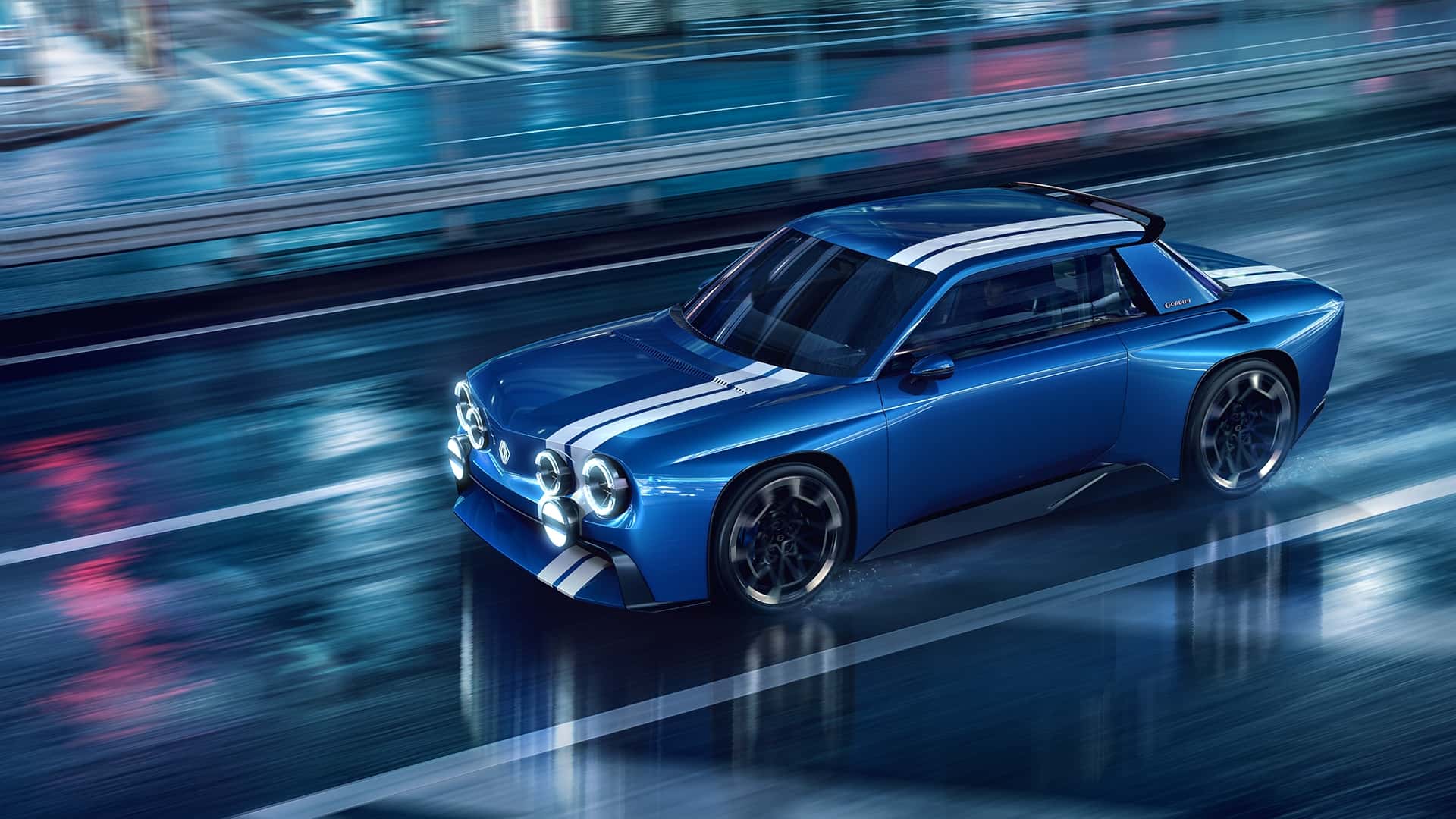
Renault 8 Gordini Returns as Rear-Wheel Drive EV
Renault has unveiled the return of the iconic Renault 8 Gordini as a rear-wheel drive electric…
1h ago
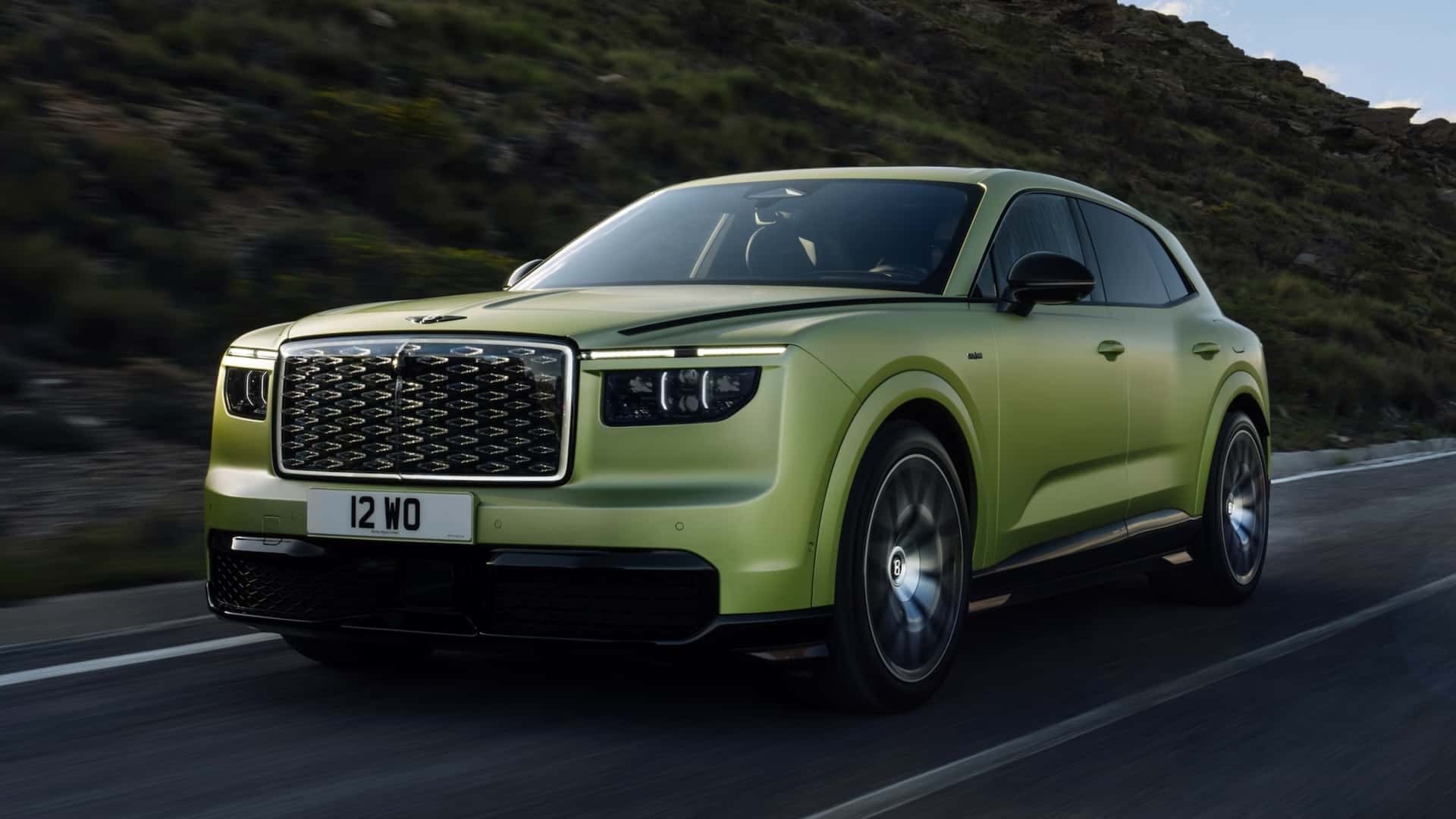
Bentley's First EV, the Torcal, Offers Rapid Charging Capabilities
Bentley has launched its first electric vehicle, the Torcal, a midsize SUV that boasts rapid…
13h ago
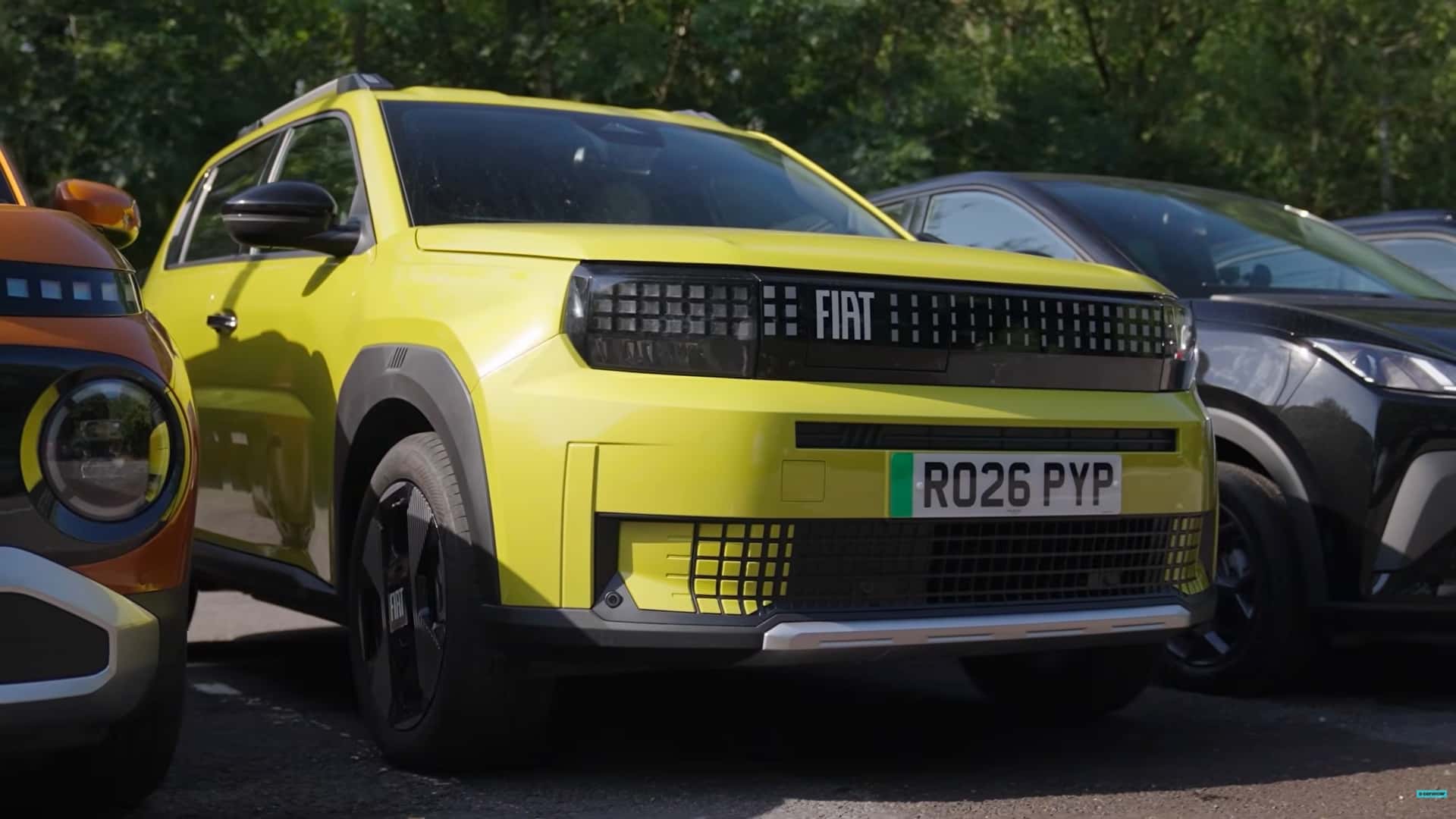
Fiat Grande Panda Outperforms Claimed Range in Real-World Test
In a recent highway range test, the Fiat Grande Panda exceeded its officially claimed range,…
13h ago
Bentley Launches Torcal, Its First All-Electric SUV
Bentley has officially unveiled the Torcal, marking its entry into the electric vehicle market.…
13h ago