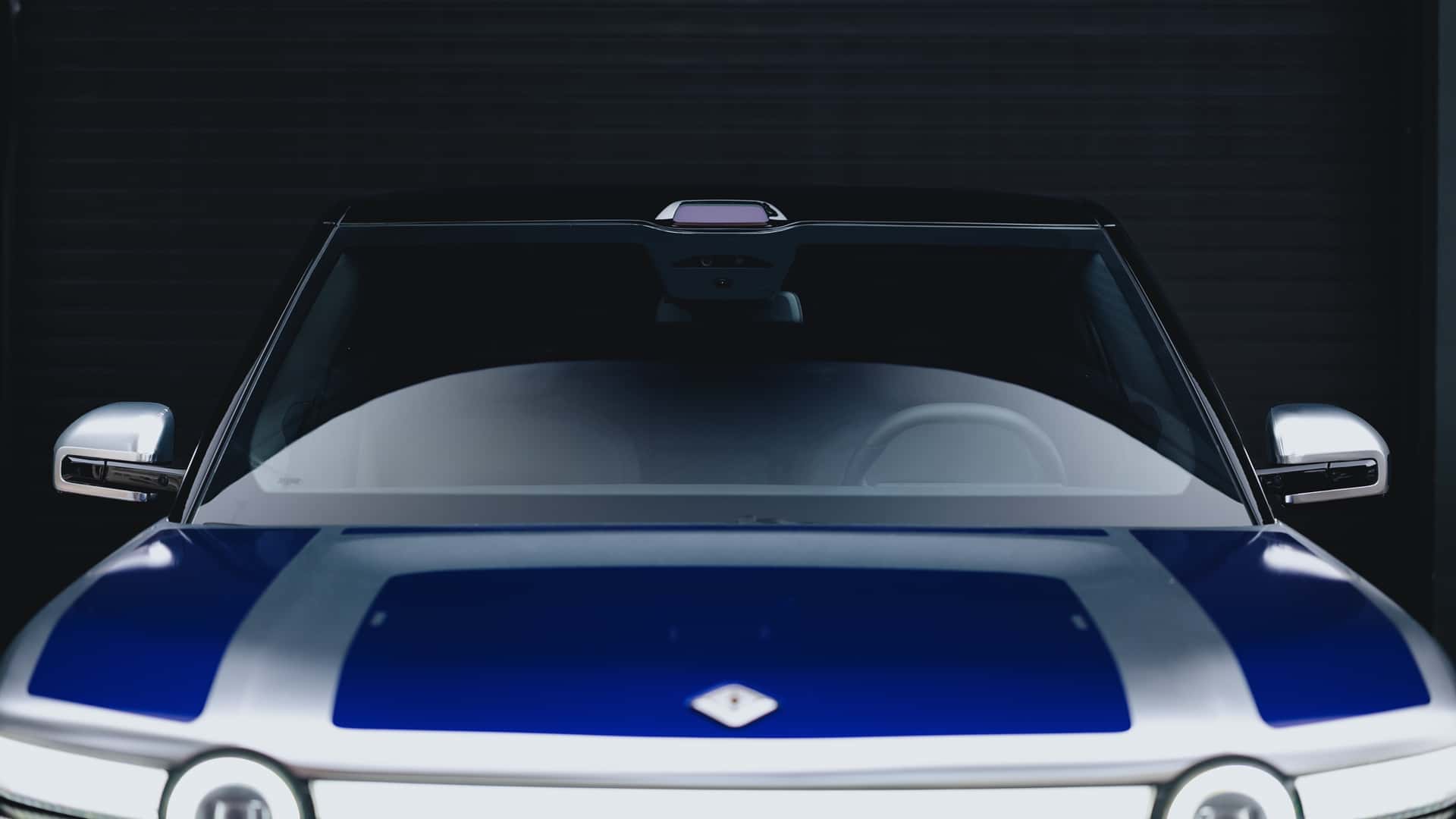
Rivian May Develop In-House Lidar Sensor for R2 in the U.S.
Updated May 6, 2026
3 min read
1 linked source
Rivian is exploring the possibility of manufacturing its own lidar sensor for the upcoming R2 model in the United States. CEO RJ Scaringe mentioned that the company is also considering a partnership with a Chinese firm. The specifics of this potential partnership and the implications for production timelines remain unclear.
Share this story
Why it matters
- ✓If Rivian successfully develops its own lidar, it could reduce costs and improve the availability of advanced driver-assistance features in the R2.
- ✓A partnership with a Chinese company may raise concerns about supply chain reliability and geopolitical implications, which could affect delivery timelines.
- ✓The decision on lidar technology could influence the overall pricing of the R2, impacting its competitiveness in the EV market.
Reporting notes
EV Signal briefs are written to explain the verified change first, then add the context EV buyers and owners need to understand cost, availability, charging access, eligibility, or ownership impact.
If details are still developing, we try to say what is confirmed, what comes from secondary reporting, and what readers should verify before acting.
Source mix
1 linked source
1 media
Reviewed from: InsideEVs.
Rivian May Develop In-House Lidar Sensor for R2 in the U.S.
Rivian is considering the development of its own lidar sensor for the upcoming R2 model, according to CEO RJ Scaringe. This move could signify a shift in the company's approach to integrating advanced driver-assistance systems (ADAS) into its vehicles, which are crucial for enhancing safety and automation features.
What Changed
The primary change is Rivian's exploration of manufacturing its own lidar sensor technology for the R2, a model aimed at a more affordable segment of the electric vehicle market. Scaringe's comments suggest that while the company is looking to build this technology in the U.S., it is also open to collaborating with a Chinese company, although details on this potential partnership are still vague.
Why It Matters for Buyers/Owners
- Cost and Availability: Developing its own lidar could allow Rivian to manage costs better, potentially leading to a more competitively priced R2. This could make the vehicle more accessible to a broader range of buyers.
- Supply Chain Considerations: If Rivian partners with a Chinese firm, it may face challenges related to supply chain reliability and geopolitical tensions, which could impact production schedules and delivery timelines for the R2.
- Impact on Features: The lidar technology is integral for advanced safety features. The decision on whether to develop in-house or partner could influence the range and effectiveness of these features in the R2, affecting day-to-day use for owners.
Key Details from Source Material
According to InsideEVs, CEO RJ Scaringe indicated that the company is weighing its options regarding lidar technology. This includes the potential for a partnership with a Chinese company, which could bring both opportunities and challenges. The exact nature of the partnership and how it would affect the R2's development timeline is still uncertain.
What to Watch Next
As Rivian continues to evaluate its lidar strategy, stakeholders should keep an eye on announcements regarding partnerships and production timelines. Additionally, updates on the R2's pricing and feature set will be critical for potential buyers. The company's decisions in the coming months will likely shape the competitive landscape of the EV market, particularly in the mid-range segment that the R2 targets.
In summary, while Rivian's exploration of in-house lidar development could enhance its vehicle offerings, the implications of any partnerships and the overall impact on the R2's pricing and availability remain to be seen.
Sources
These are the documents and reports used to build this brief so readers can verify the story directly.
- Rivian May Build Its Own Lidar Sensor For The R2 In The U.S. — InsideEVsMEDIA
Comments
Log in with
Loading comments…
More in Models & Pricing
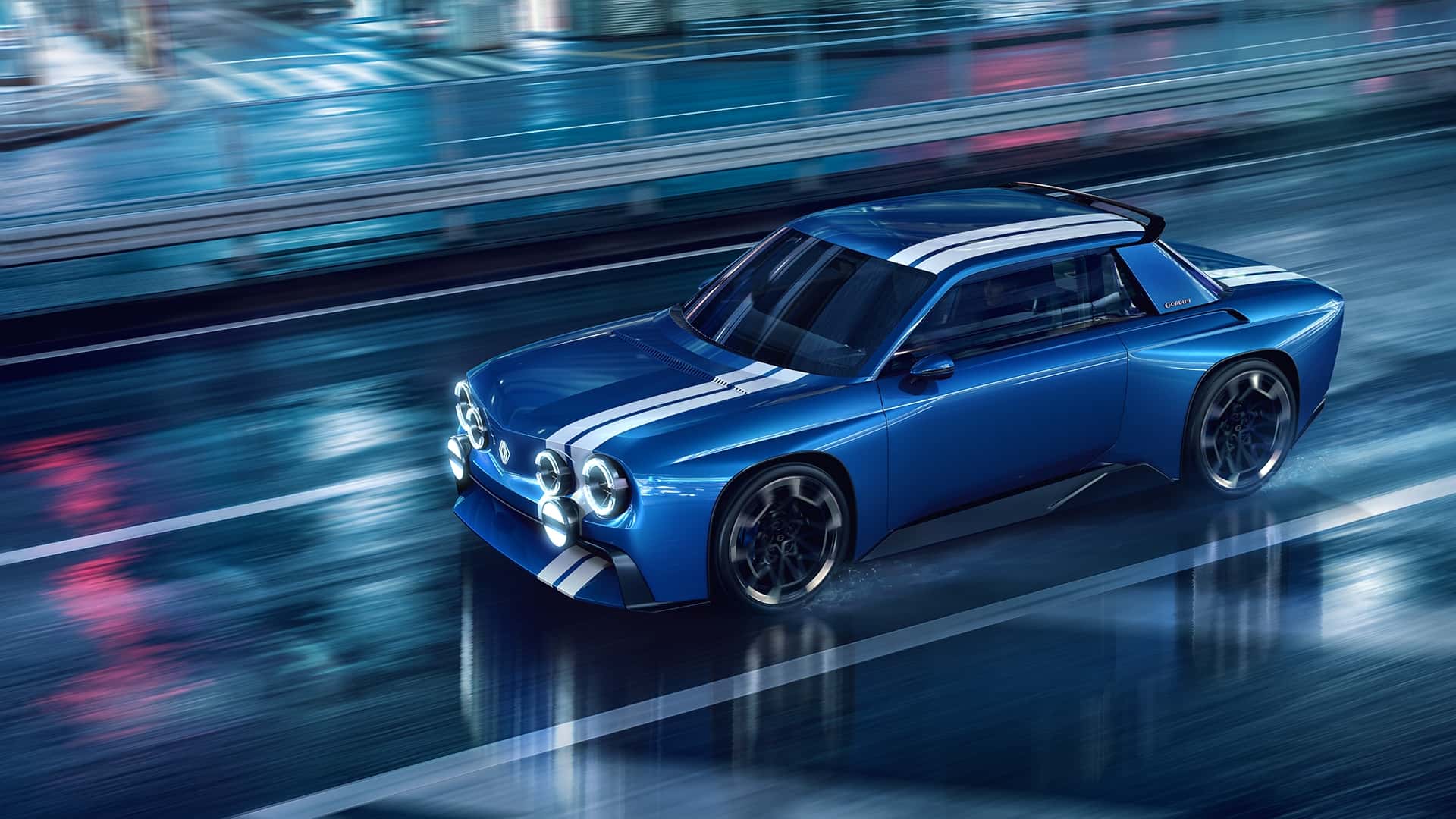
Renault 8 Gordini Returns as Rear-Wheel Drive EV
Renault has unveiled the return of the iconic Renault 8 Gordini as a rear-wheel drive electric…
Just now
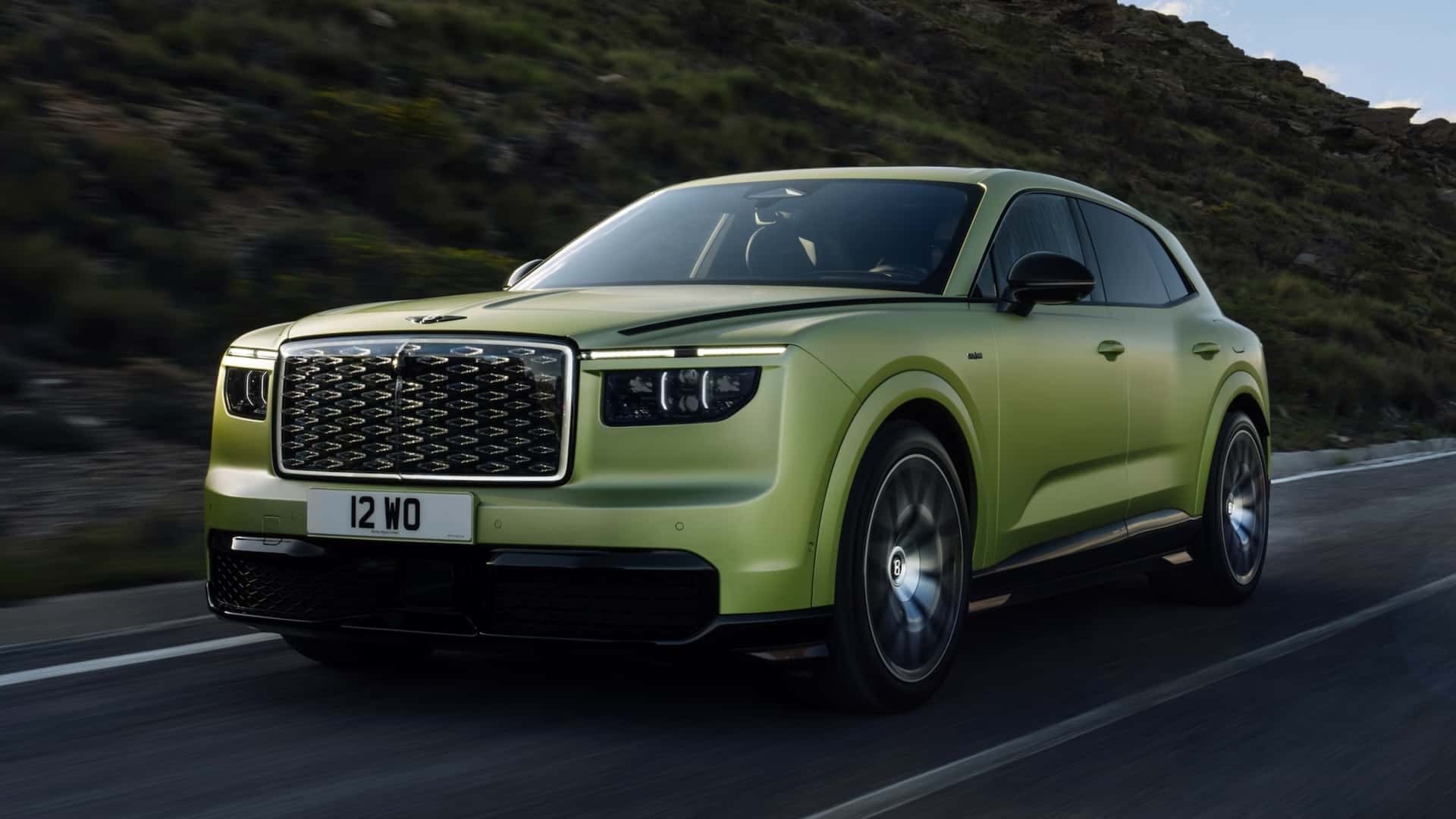
Bentley's First EV, the Torcal, Offers Rapid Charging Capabilities
Bentley has launched its first electric vehicle, the Torcal, a midsize SUV that boasts rapid…
12h ago
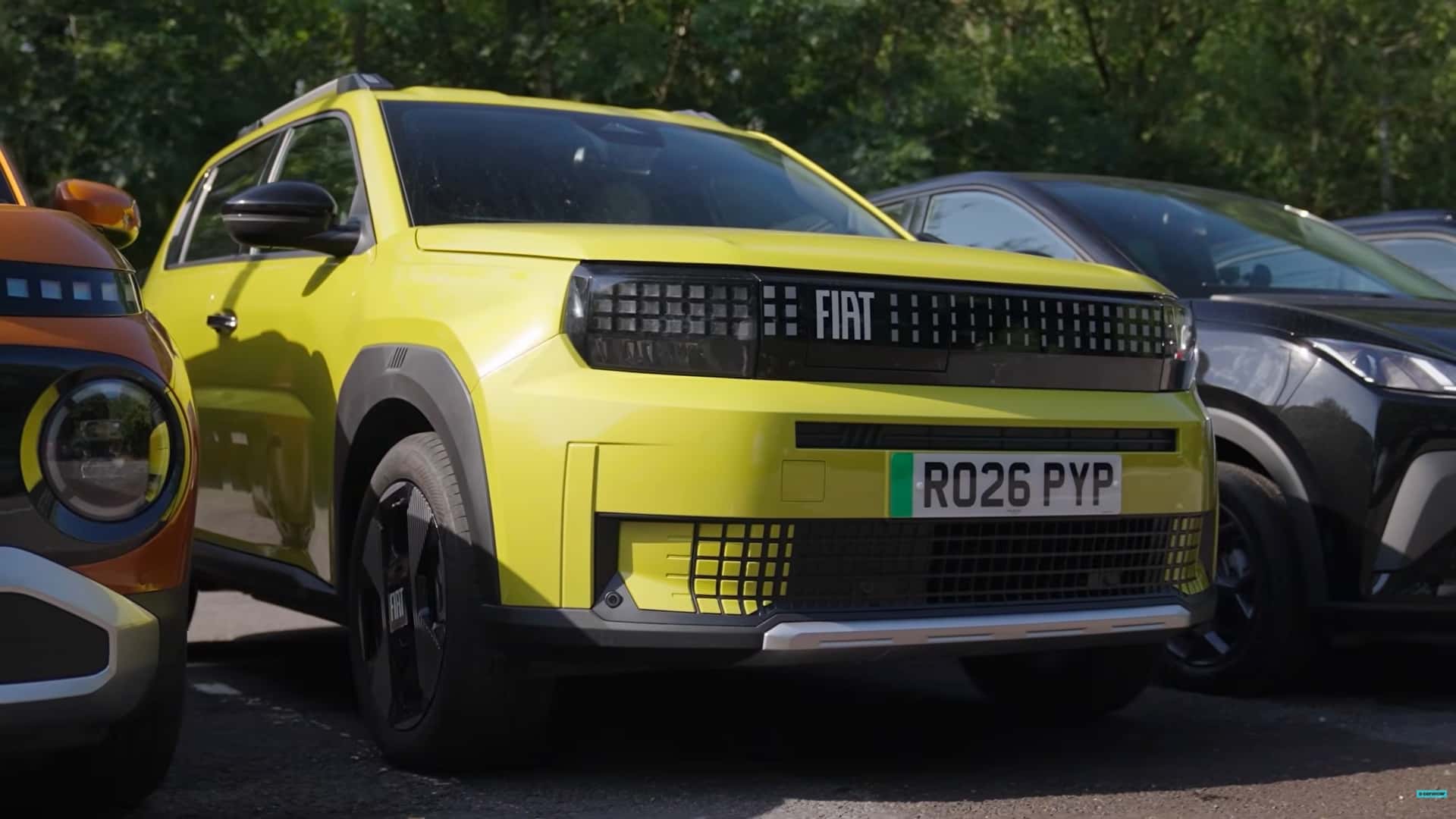
Fiat Grande Panda Outperforms Claimed Range in Real-World Test
In a recent highway range test, the Fiat Grande Panda exceeded its officially claimed range,…
12h ago
Bentley Launches Torcal, Its First All-Electric SUV
Bentley has officially unveiled the Torcal, marking its entry into the electric vehicle market.…
12h ago