Rivian Discontinues Entry 'Dual Standard' R1S and R1T Models
Updated March 11, 2026
5 min read
1 linked source
Rivian has announced that it will discontinue its entry-level 'Dual Standard' versions of the R1S and R1T electric vehicles. This change is part of a broader lineup adjustment expected later this year. Details on the reasons for this decision and what will replace these models have not been fully disclosed.
Share this story
Why it matters
- ✓Potential buyers may need to reconsider their options as the entry-level models are no longer available.
- ✓Existing owners of the R1S and R1T may see changes in the resale value of their vehicles.
Reporting notes
EV Signal briefs are written to explain the verified change first, then add the context EV buyers and owners need to understand cost, availability, charging access, eligibility, or ownership impact.
If details are still developing, we try to say what is confirmed, what comes from secondary reporting, and what readers should verify before acting.
Source mix
1 linked source
1 media
Reviewed from: InsideEVs.
Rivian Discontinues Entry 'Dual Standard' R1S and R1T Models
Rivian, the electric vehicle manufacturer known for its innovative designs and adventurous spirit, has made a significant decision that will impact both prospective buyers and current owners of its R1S and R1T models. The company has announced that it will discontinue the entry-level 'Dual Standard' versions of these electric vehicles. This move is part of a broader lineup adjustment expected to unfold later this year. While specific details surrounding the reasons for this decision and what will replace these models remain somewhat vague, the implications for the EV market are clear.
Understanding the 'Dual Standard' Models
The 'Dual Standard' versions of the R1S and R1T were designed to offer a more accessible entry point into Rivian's lineup. These models were equipped with a standard battery pack, which provided a balance between performance and affordability. The R1T, Rivian's all-electric pickup truck, and the R1S, its SUV counterpart, were both marketed towards adventure-seeking consumers who desired a rugged yet environmentally friendly vehicle.
The discontinuation of these entry-level models raises questions about Rivian's strategy moving forward. The company has positioned itself as a premium electric vehicle manufacturer, and the removal of the 'Dual Standard' options suggests a shift towards higher-end configurations that may appeal to a different segment of the market.
Reasons Behind the Discontinuation
While Rivian has not provided exhaustive details on the rationale behind discontinuing the 'Dual Standard' models, several factors can be inferred.
-
Market Positioning: Rivian has carved out a niche in the electric vehicle market, focusing on high-performance and adventure-oriented vehicles. By discontinuing the entry-level models, the company may be aiming to strengthen its brand identity as a premium manufacturer, aligning its offerings with higher price points and more advanced features.
-
Production Challenges: The electric vehicle industry has faced numerous challenges, including supply chain disruptions and rising material costs. By streamlining its product lineup, Rivian may be looking to optimize production efficiency and focus on models that are more profitable.
-
Consumer Demand: As the EV market matures, consumer preferences are evolving. There is a growing demand for vehicles that offer advanced technology, longer ranges, and superior performance. Rivian's decision to phase out the 'Dual Standard' models could be a response to this shift in consumer expectations.
Implications for Potential Buyers
The discontinuation of the 'Dual Standard' models means that potential buyers will need to reconsider their options. For those who were eyeing the R1S or R1T as a more affordable entry into the electric vehicle market, this change may lead to disappointment.
-
Higher Price Points: With the removal of the entry-level models, consumers will now have to look at higher-priced configurations. This could limit access to Rivian's vehicles for budget-conscious buyers who were hoping to take advantage of the 'Dual Standard' offerings.
-
Increased Competition: Rivian's decision may open the door for competitors to capture the entry-level market segment. Other manufacturers may see an opportunity to attract customers who are now seeking alternatives to Rivian's offerings, potentially leading to increased competition in the affordable electric vehicle space.
-
Shift in Consumer Focus: Buyers who were initially interested in the 'Dual Standard' models may now need to consider other brands or models that offer similar features at a lower price point. This could lead to a broader exploration of the EV market, with consumers weighing their options more carefully.
Impact on Existing Owners
Current owners of the R1S and R1T may also feel the effects of this decision. The discontinuation of the 'Dual Standard' models could influence the resale value of existing vehicles.
-
Resale Value Considerations: As Rivian phases out certain models, the scarcity of the 'Dual Standard' versions may initially drive up their resale value. However, the long-term impact on resale prices will depend on how Rivian's overall brand perception evolves and how the market for used electric vehicles develops.
-
Brand Loyalty and Community: Rivian has cultivated a strong community of owners who are passionate about their vehicles. The discontinuation of entry-level models may affect brand loyalty, as some owners may feel that the company is moving away from its original mission of making electric vehicles accessible to a broader audience.
-
Future Model Offerings: Existing owners may be curious about what new models or configurations Rivian plans to introduce in place of the 'Dual Standard' versions. If Rivian can successfully launch new models that resonate with its customer base, it may help maintain interest and loyalty among current owners.
Looking Ahead: Rivian's Future Lineup
While Rivian has not disclosed specific details about what will replace the 'Dual Standard' models, there are several possibilities that could shape the company's future offerings.
-
Enhanced Features and Technology: Rivian may focus on introducing models with advanced technology, improved performance, and longer ranges. This could include higher-capacity battery options, enhanced autonomous driving features, and more luxurious interior finishes.
-
New Model Variants: The company might explore new variants of the R1S and R1T that cater to specific consumer needs, such as off-road capabilities or urban commuting. By diversifying its lineup, Rivian could appeal to a broader audience while maintaining its premium positioning.
-
Sustainability Initiatives: As the EV market continues to evolve, sustainability remains a key focus for consumers. Rivian may look to enhance its sustainability initiatives, including sourcing materials responsibly and improving the environmental impact of its manufacturing processes.
Conclusion
Rivian's decision to discontinue the entry-level 'Dual Standard' R1S and R1T models marks a significant shift in the company's strategy and product lineup. While the reasons for this change are not fully disclosed, it reflects broader trends in the electric vehicle market and consumer preferences. Potential buyers will need to reassess their options, while existing owners may experience changes in resale value and brand loyalty.
As Rivian moves forward, the company will need to navigate the challenges of a competitive market while continuing to innovate and deliver vehicles that resonate with consumers. The future of Rivian's lineup remains to be seen, but one thing is clear: the electric vehicle landscape is constantly evolving, and Rivian is poised to play a pivotal role in shaping its direction.
Sources
These are the documents and reports used to build this brief so readers can verify the story directly.
- Rivian Is Discontinuing Its Entry 'Dual Standard' R1S And R1T — InsideEVsMEDIA
Comments
Log in with
Loading comments…
More in Models & Pricing
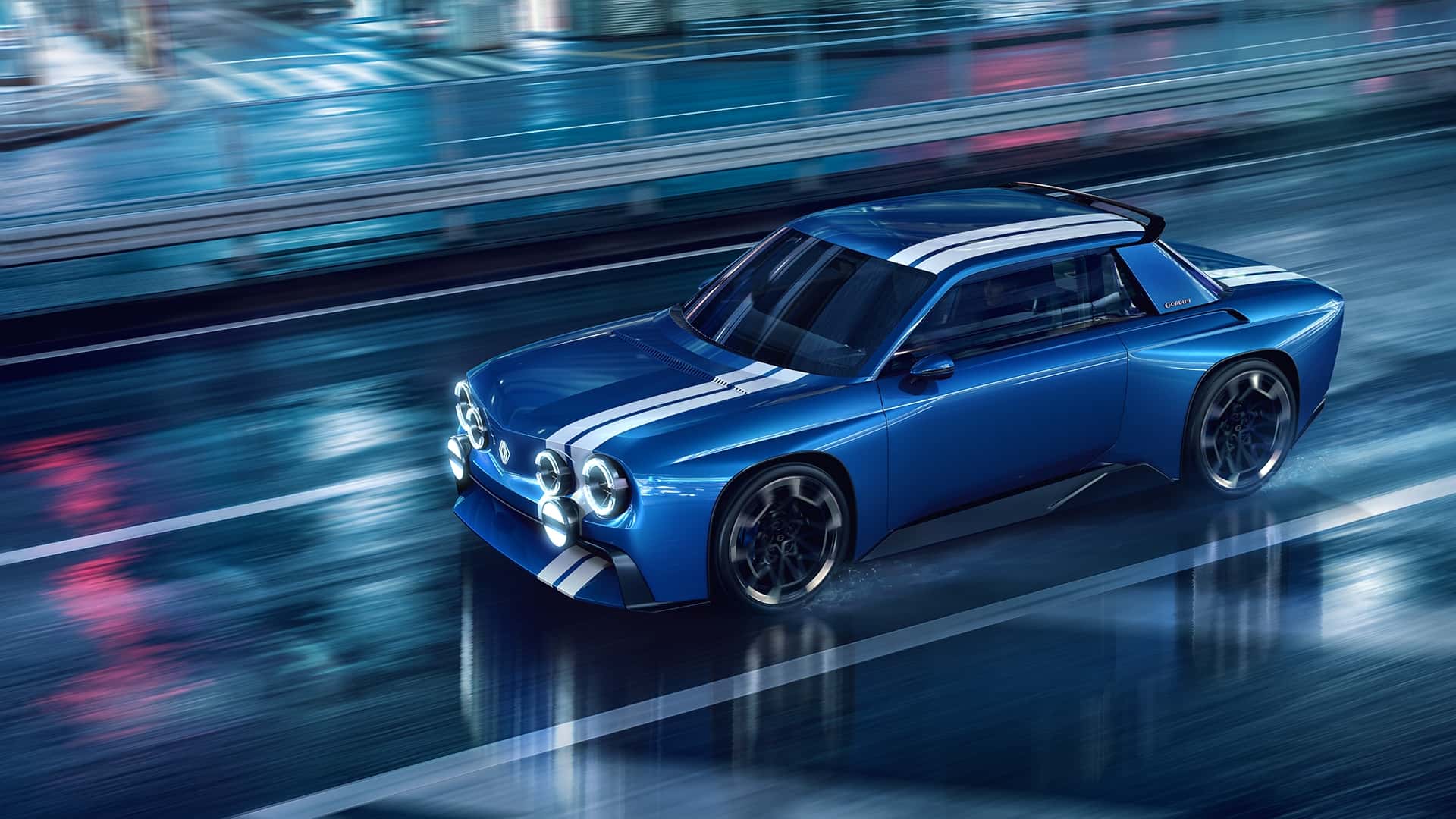
Renault 8 Gordini Returns as Rear-Wheel Drive EV
Renault has unveiled the return of the iconic Renault 8 Gordini as a rear-wheel drive electric…
Just now
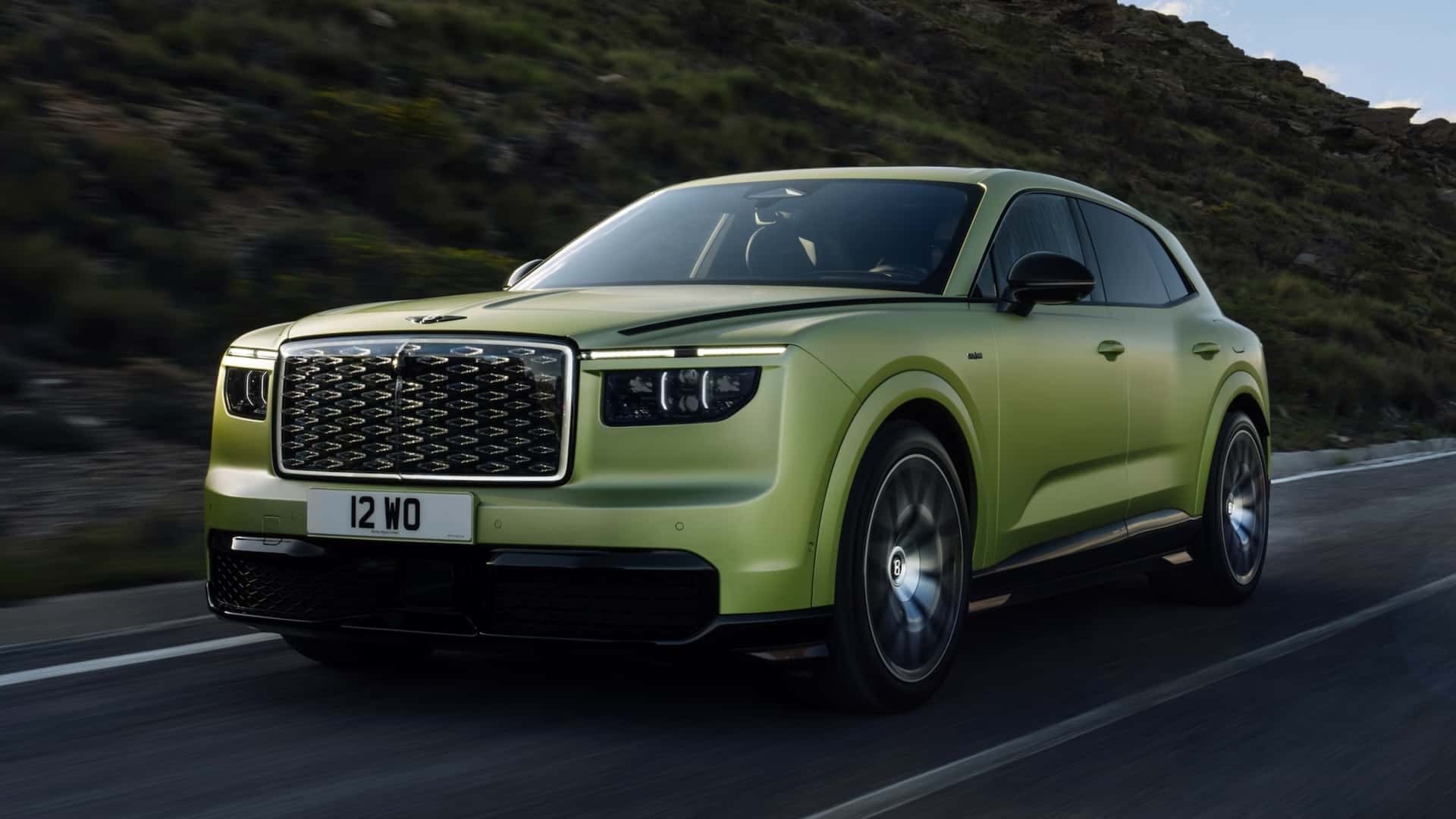
Bentley's First EV, the Torcal, Offers Rapid Charging Capabilities
Bentley has launched its first electric vehicle, the Torcal, a midsize SUV that boasts rapid…
12h ago
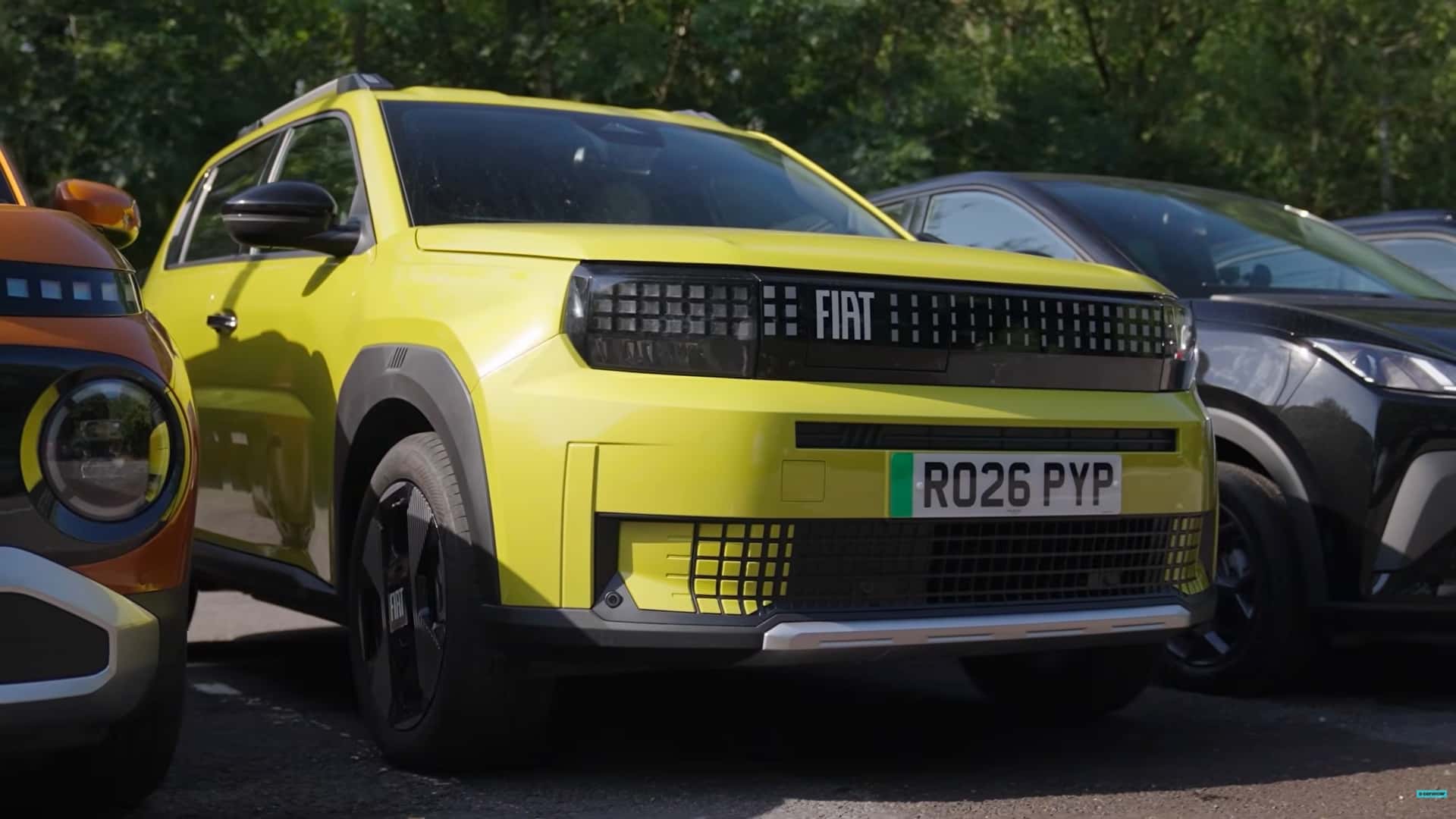
Fiat Grande Panda Outperforms Claimed Range in Real-World Test
In a recent highway range test, the Fiat Grande Panda exceeded its officially claimed range,…
12h ago
Bentley Launches Torcal, Its First All-Electric SUV
Bentley has officially unveiled the Torcal, marking its entry into the electric vehicle market.…
12h ago