
Rivian CEO RJ Scaringe Sees No Anti-EV Sentiment Among Americans
Updated June 10, 2026
3 min read
1 linked source
Rivian's CEO RJ Scaringe has stated that he does not believe Americans are anti-EV, despite the fact that only two models account for around 50% of EV sales in the U.S. He argues that this concentration indicates a market that is not well-served rather than a lack of interest in electric vehicles. This perspective highlights ongoing challenges in the EV market, particularly regarding model diversity and consumer choice.
Share this story
Why it matters
- ✓A limited selection of EV models may hinder potential buyers from finding vehicles that meet their needs, impacting overall adoption rates.
- ✓If the market remains concentrated on just a few models, it could lead to higher prices and less competitive options for consumers.
- ✓Understanding the market dynamics can help current and prospective EV owners make informed decisions about their purchases.
Reporting notes
EV Signal briefs are written to explain the verified change first, then add the context EV buyers and owners need to understand cost, availability, charging access, eligibility, or ownership impact.
If details are still developing, we try to say what is confirmed, what comes from secondary reporting, and what readers should verify before acting.
Source mix
1 linked source
1 media
Reviewed from: InsideEVs.
Rivian CEO RJ Scaringe Sees No Anti-EV Sentiment Among Americans
Rivian's CEO RJ Scaringe has expressed his belief that Americans are not inherently anti-electric vehicle (EV), despite the current market dynamics that show a significant concentration of sales among just two models. According to Scaringe, this situation reflects a market that is not well-served rather than a lack of consumer interest in EVs.
What Changed
Scaringe's comments come in light of the fact that two models dominate approximately 50% of EV sales in the United States. This statistic raises concerns about the diversity of options available to consumers. Scaringe argues that the limited selection does not indicate a lack of demand for EVs but rather highlights the need for more variety in the market.
Why It Matters for Buyers and Owners
- Limited Options: The current market concentration may restrict buyers' choices, making it difficult for them to find an EV that fits their specific needs and preferences.
- Pricing Implications: A market dominated by a few models can lead to higher prices due to reduced competition, which may deter potential buyers from considering EVs.
- Consumer Awareness: Understanding the dynamics of the EV market can empower consumers to advocate for more diverse offerings and better pricing strategies from manufacturers.
Key Details from Source Material
According to InsideEVs, Scaringe's perspective suggests that the current state of the EV market does not reflect a lack of interest among consumers but rather a lack of sufficient options. He believes that the presence of only a couple of models dominating sales is indicative of a market that is not fully catering to the needs of potential EV buyers. This assertion challenges the notion that Americans are resistant to adopting electric vehicles, instead framing the issue as one of market supply rather than consumer demand.
What to Watch Next
As the EV market continues to evolve, it will be important to monitor how manufacturers respond to these concerns about model diversity. Will new entrants emerge to challenge the current market leaders? Will existing manufacturers expand their offerings to provide more choices for consumers? Keeping an eye on these developments will be crucial for both current and prospective EV owners as they navigate their options in an evolving landscape.
Sources
These are the documents and reports used to build this brief so readers can verify the story directly.
Comments
Log in with
Loading comments…
More in Models & Pricing
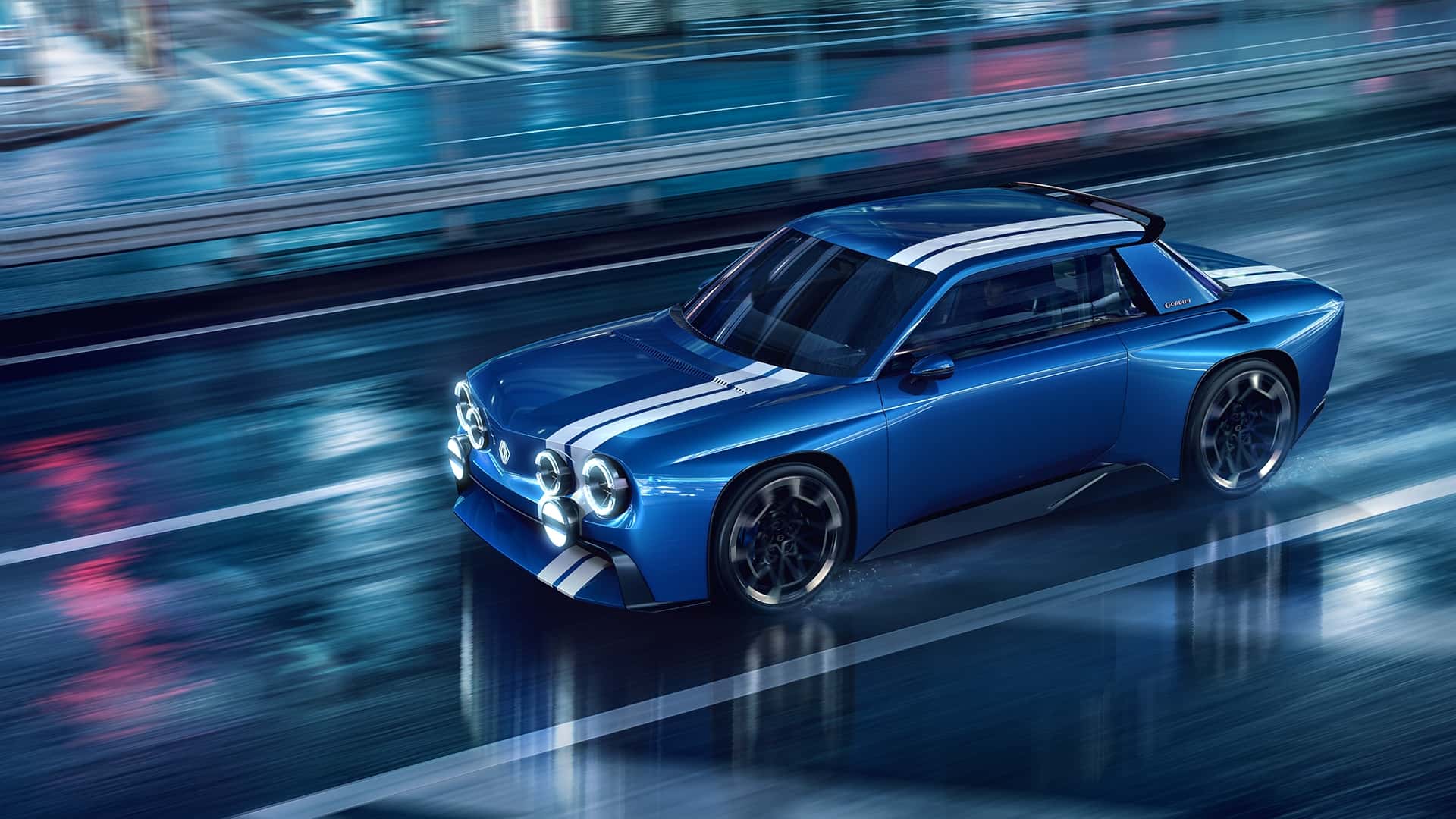
Renault 8 Gordini Returns as Rear-Wheel Drive EV
Renault has unveiled the return of the iconic Renault 8 Gordini as a rear-wheel drive electric…
Just now
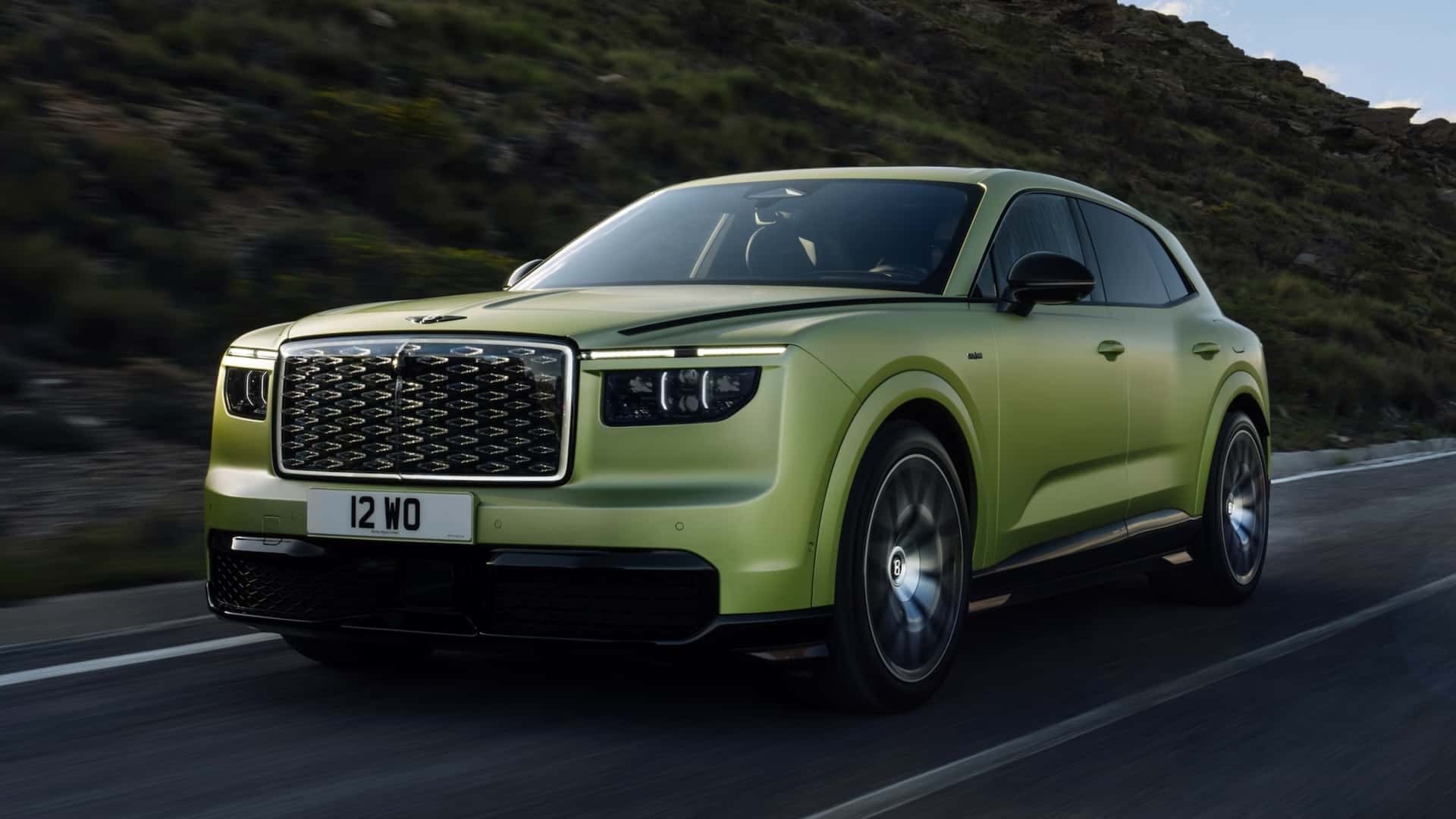
Bentley's First EV, the Torcal, Offers Rapid Charging Capabilities
Bentley has launched its first electric vehicle, the Torcal, a midsize SUV that boasts rapid…
12h ago
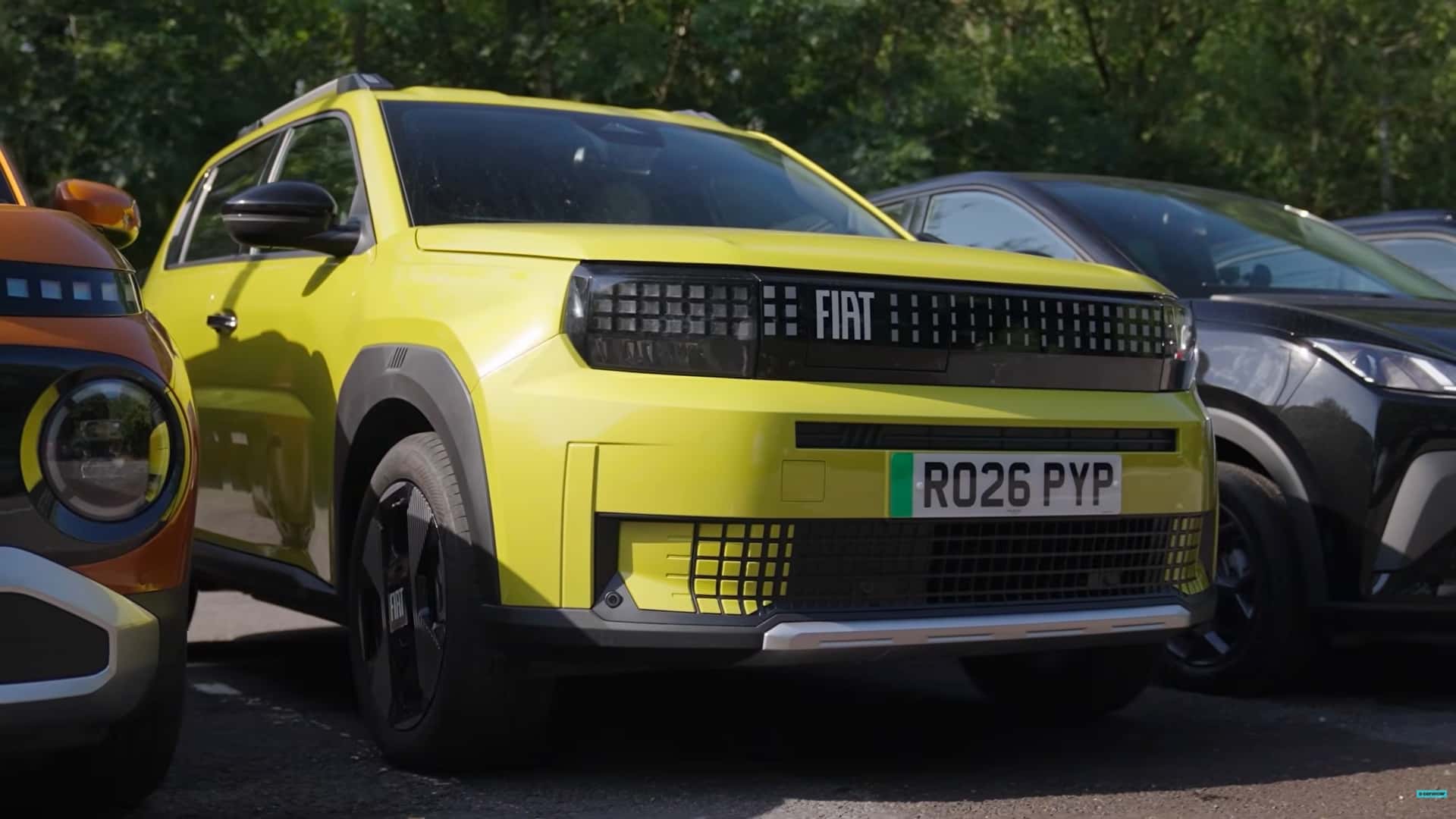
Fiat Grande Panda Outperforms Claimed Range in Real-World Test
In a recent highway range test, the Fiat Grande Panda exceeded its officially claimed range,…
12h ago
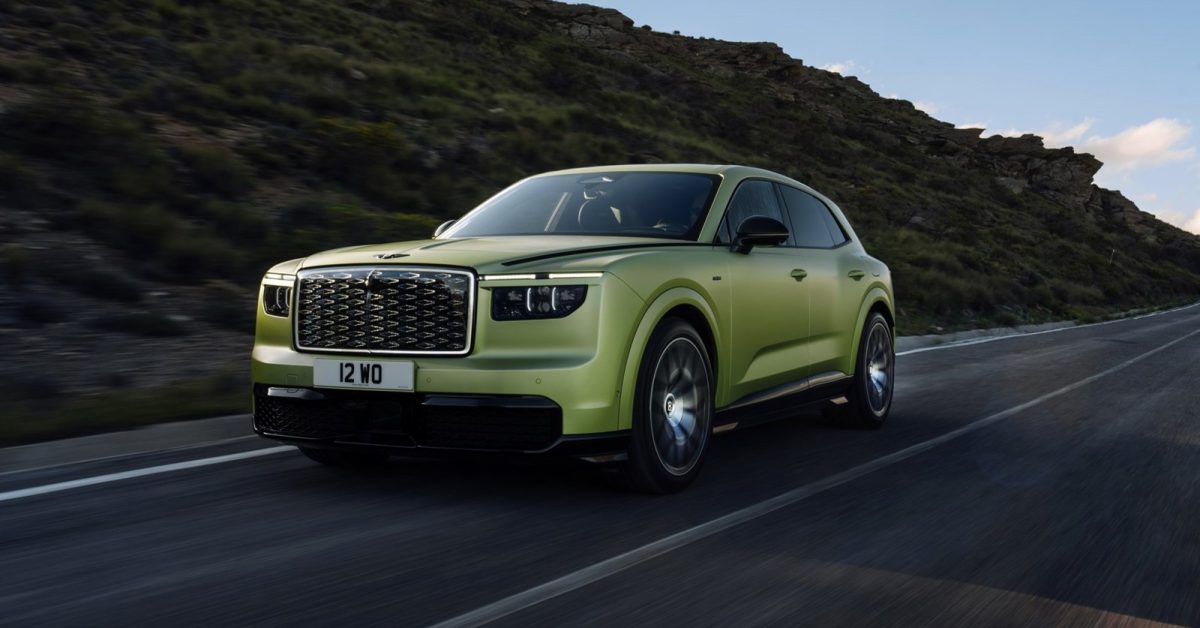
Bentley Launches Torcal, Its First All-Electric SUV
Bentley has officially unveiled the Torcal, marking its entry into the electric vehicle market.…
12h ago