
Rivian CEO Indicates Future Decrease in Self-Driving Software Prices
Updated June 17, 2026
3 min read
1 linked source
Rivian CEO RJ Scaringe has suggested that the costs associated with self-driving software will decrease over time, similar to how airbags transitioned from a paid option to a standard feature in vehicles. This statement serves as a subtle critique of Tesla's recent shift to a subscription model for its Full Self-Driving package, which now costs $99 per month.
Share this story
Why it matters
- ✓Potentially lower costs for self-driving features may make EVs more accessible to a broader range of buyers.
- ✓As self-driving technology becomes standard, buyers may expect advanced features without additional fees, impacting overall vehicle pricing.
- ✓Rivian's approach could influence other automakers to reconsider their pricing strategies for autonomous driving technologies.
Reporting notes
EV Signal briefs are written to explain the verified change first, then add the context EV buyers and owners need to understand cost, availability, charging access, eligibility, or ownership impact.
If details are still developing, we try to say what is confirmed, what comes from secondary reporting, and what readers should verify before acting.
Source mix
1 linked source
1 media
Reviewed from: Electrek.
Rivian CEO Indicates Future Decrease in Self-Driving Software Prices
Rivian CEO RJ Scaringe has made a notable statement regarding the future of self-driving software pricing, suggesting that the costs associated with such technology will likely decrease over time. This perspective aligns with the historical evolution of automotive safety features, such as airbags, which transitioned from optional add-ons to standard inclusions in vehicles. Scaringe's comments serve as a subtle critique of Tesla's recent decision to adopt a subscription-only model for its Full Self-Driving (FSD) package, which is currently priced at $99 per month.
What Changed
In an interview with WIRED, Scaringe articulated his belief that the current pricing structure for self-driving software is not sustainable in the long term. He compared the situation to the evolution of airbags, suggesting that what is now a paid feature will eventually be integrated into the base price of all vehicles. This shift could signify a broader trend in the automotive industry, where advanced technologies become standard rather than optional.
Why It Matters for Buyers and Owners
Scaringe's comments carry significant implications for both current and prospective EV buyers:
- Cost Accessibility: If self-driving features become standard, the overall cost of EV ownership may decrease, making these vehicles more accessible to a wider audience.
- Expectations for Technology: As consumers become accustomed to advanced features being included in the base price, they may expect similar offerings from all manufacturers, influencing purchasing decisions.
- Industry Impact: Rivian's stance may prompt other automakers to reevaluate their pricing strategies for autonomous driving technologies, potentially leading to a more competitive market.
Key Details from Source Material
According to Electrek, Scaringe's remarks come at a time when Tesla has shifted its FSD package to a subscription model, raising questions about the long-term viability of such pricing strategies. The comparison to airbags highlights a significant shift in consumer expectations regarding safety and technology features in vehicles. As self-driving technology continues to evolve, the automotive industry may witness a transformation in how these features are priced and marketed.
What to Watch Next
As the conversation around self-driving technology and pricing continues, it will be important to monitor how Rivian's strategy unfolds in comparison to Tesla's. Key points to observe include:
- Market Reactions: How will consumers respond to Rivian's pricing philosophy compared to Tesla's subscription model?
- Competitor Strategies: Will other automakers follow Rivian's lead, or will they maintain their current pricing structures for autonomous features?
- Technological Developments: As advancements in self-driving technology progress, how will these changes impact pricing and consumer expectations?
In conclusion, RJ Scaringe's insights into the future of self-driving software pricing could signal a significant shift in the automotive landscape, potentially benefiting consumers and reshaping industry standards.
Sources
These are the documents and reports used to build this brief so readers can verify the story directly.
- Rivian CEO signals self-driving prices, like Tesla’s, will fall — ElectrekMEDIA
Comments
Log in with
Loading comments…
More in Software
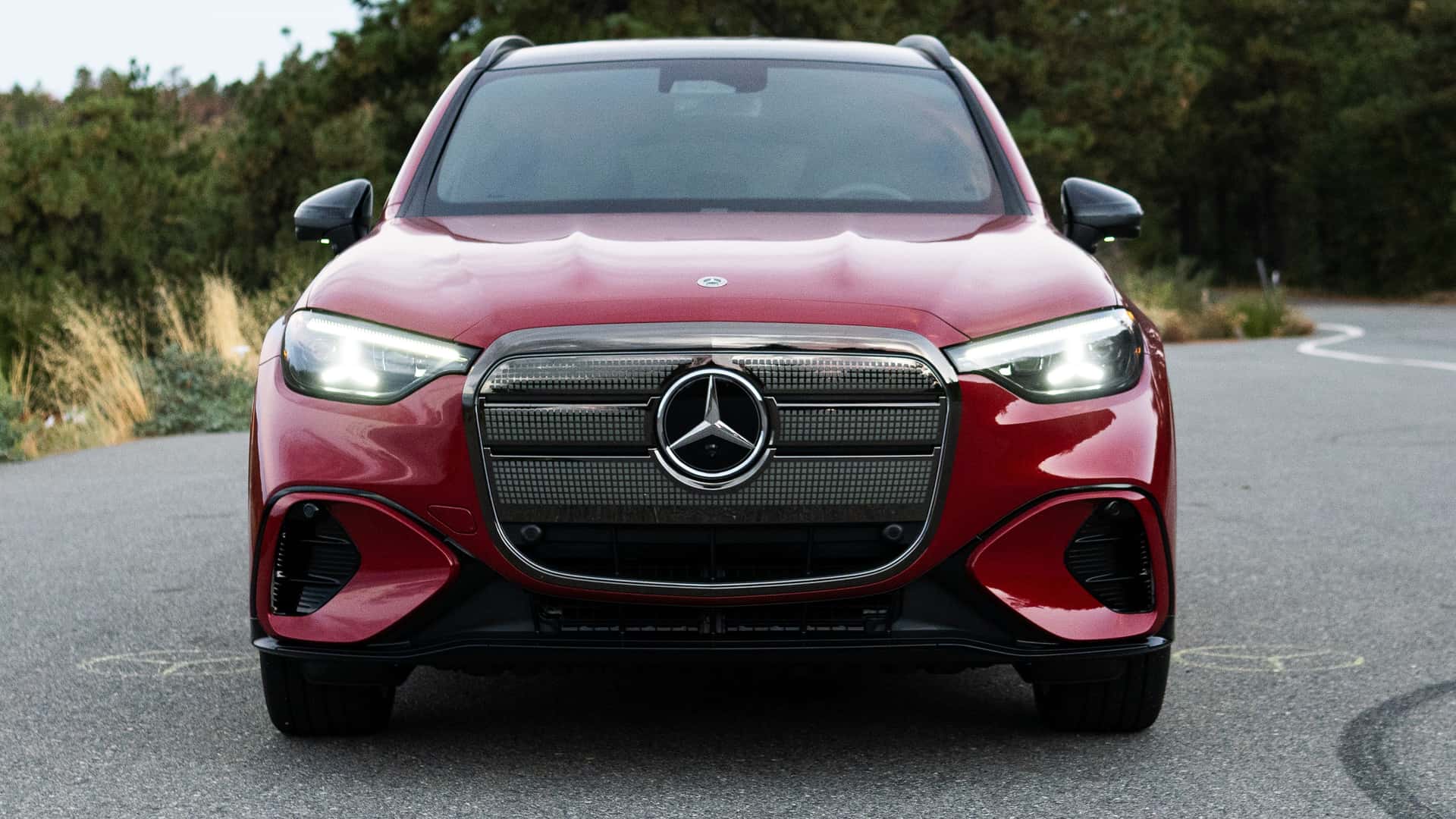
Mercedes Partners with Wayve for Advanced Driver Assistance System
Mercedes-Benz has announced a collaboration with Wayve to develop a driver assistance system…
1d ago
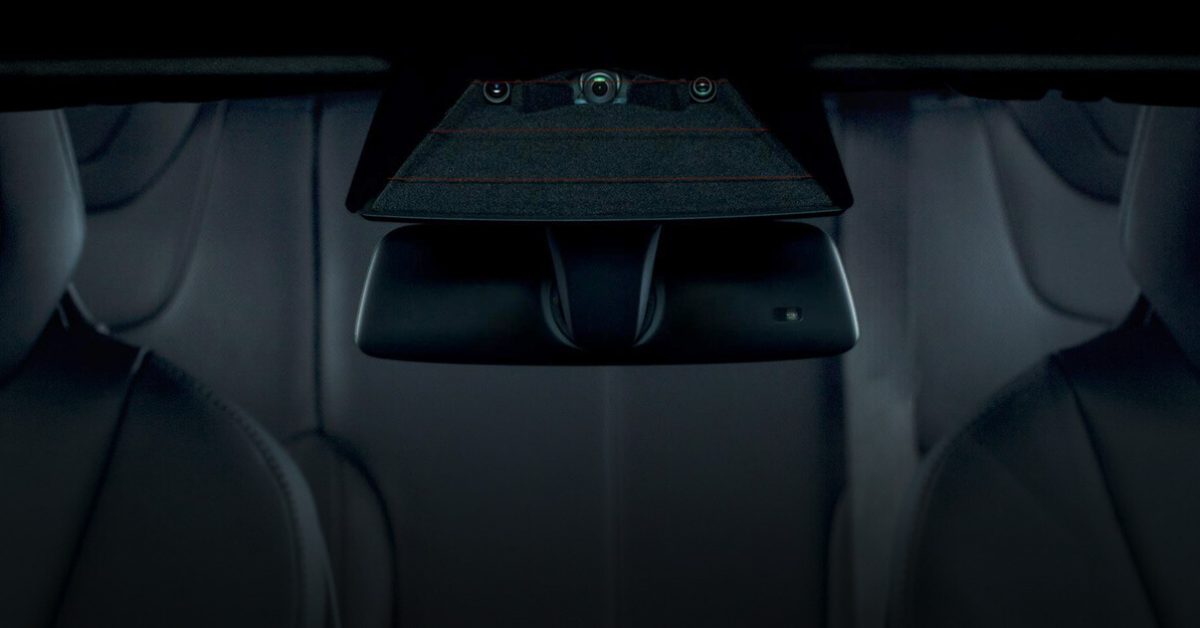
Tesla Full Self-Driving Update Issues False Camera Alerts
Tesla's latest Full Self-Driving update, version 14.3.9, is erroneously alerting owners that their…
1d ago
Mercedes-Benz Partners with Wayve for AI Driver Integration in Future Vehicles
Mercedes-Benz has finalized a production agreement with Wayve, a British self-driving startup, to…
1d ago
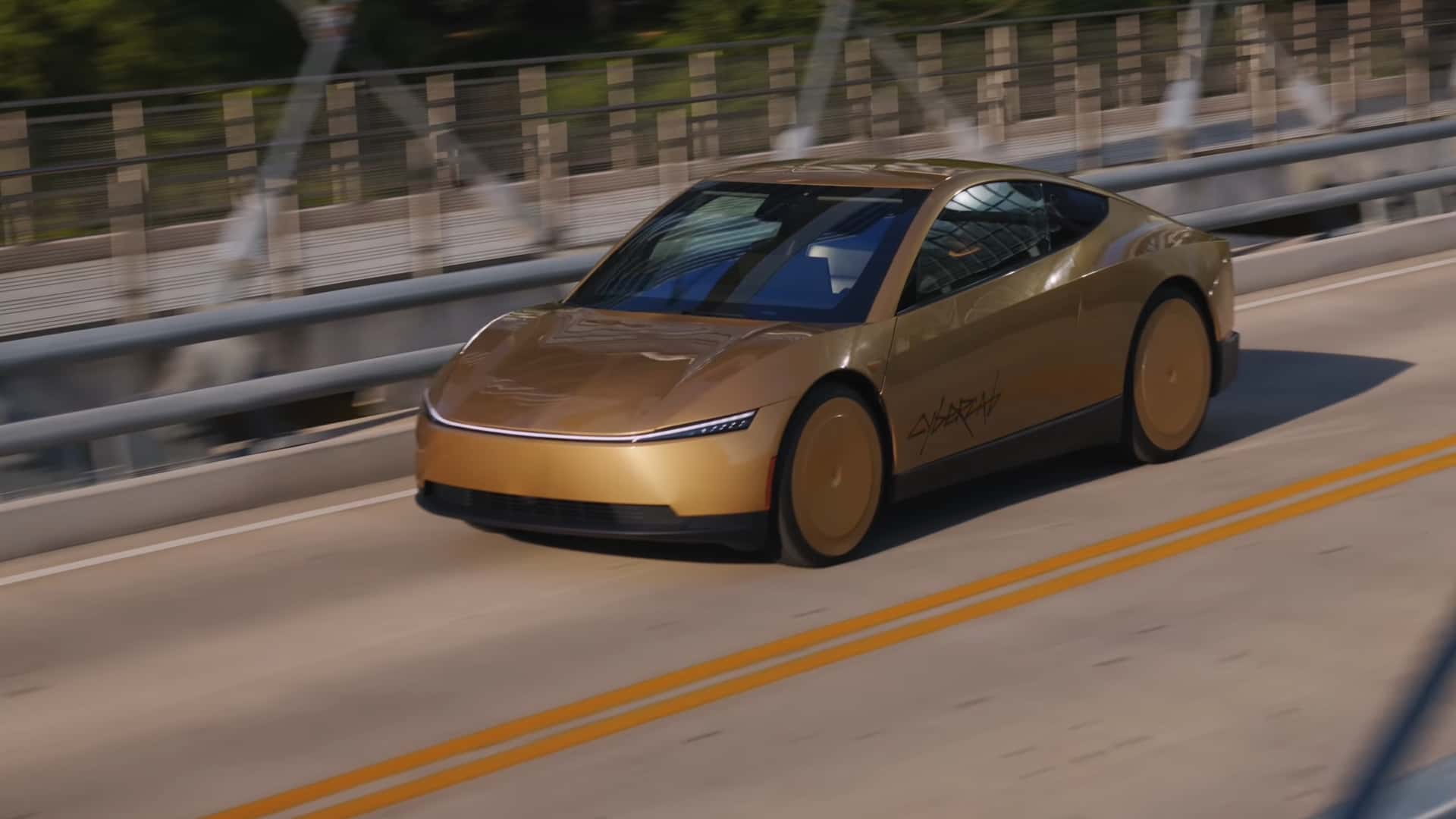
Tesla Cybercab Faces Navigation Issues Similar to Existing Tesla Models
Tesla's new Cybercab robotaxis are reportedly experiencing navigation problems, taking unusual…
2d ago