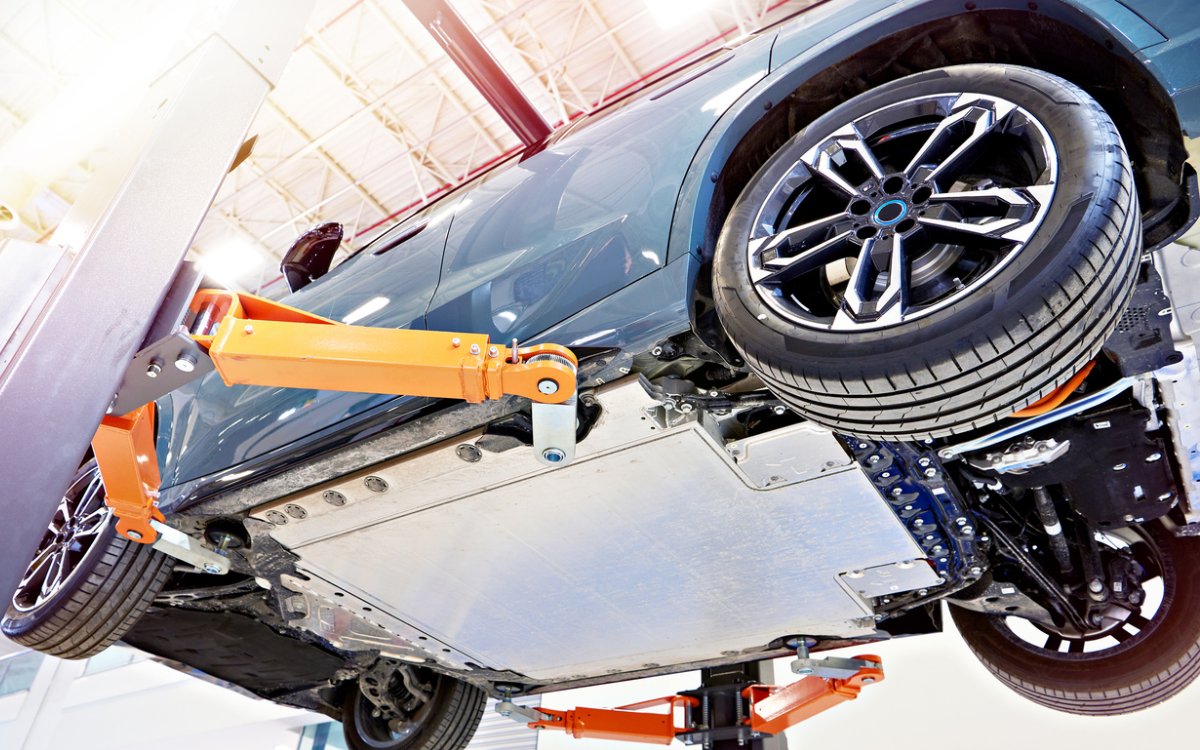
Repair Cost Gap Between EVs and ICE Vehicles Narrows in Canada

Edited by Ionna Brakeley
Charging & Ownership
Updated September 25, 2026
3 min read
1 linked source
The gap between repair costs for electric vehicles (EVs) and internal combustion engine (ICE) vehicles in Canada has reached a record low, driven by a maturing EV fleet and increasing sales. However, ongoing trade tensions and tariffs pose a risk to this trend, potentially reversing the cost benefits for EV owners.
Share this story
Why it matters
- ✓Lower repair costs for EVs may make them more financially attractive to potential buyers.
- ✓As the cost gap narrows, current EV owners could benefit from reduced maintenance expenses.
- ✓Trade tensions could impact future pricing, making it essential for buyers to stay informed about potential changes.
Repair Cost Gap Narrows
The gap between repair costs for electric vehicles (EVs) and internal combustion engine (ICE) vehicles in Canada has narrowed to a record low. This change is attributed to a combination of factors, including a maturing EV fleet and rising sales, which have contributed to lower maintenance and repair expenses for EVs. However, the trend may face challenges due to ongoing trade tensions and tariffs that could reverse these cost benefits.
What Changed?
According to Electric Autonomy Canada, the repair cost disparity between EVs and ICE vehicles has decreased significantly. As the EV market matures, the availability of parts and skilled technicians has improved, leading to reduced repair costs for EVs. This development is particularly relevant as more consumers consider switching to electric vehicles, making the financial implications of ownership increasingly important.
Why It Matters for Buyers and Owners
-
Financial Attractiveness: With lower repair costs, EVs may become more appealing to potential buyers who are concerned about the total cost of ownership. This could lead to increased adoption of electric vehicles in Canada.
-
Reduced Maintenance Expenses: Current EV owners can benefit from the narrowing cost gap, as lower repair costs can lead to reduced overall maintenance expenses. This may enhance the ownership experience and encourage longer-term commitment to electric vehicles.
-
Impact of Trade Tensions: The potential for trade tensions and tariffs to affect repair costs is a critical consideration for both current and prospective EV owners. Staying informed about these developments will be essential for understanding future cost implications.
Key Details from Source Material
The article from Electric Autonomy Canada highlights that the narrowing gap in repair costs is a result of a more established EV market, which has led to better access to parts and services. As EV sales continue to rise, the industry is likely to see further improvements in repair cost efficiency. However, the looming threat of trade tensions and tariffs could complicate this positive trend, potentially leading to increased costs in the future.
What to Watch Next
As the situation evolves, it will be important for consumers to monitor developments related to trade policies and their potential impact on EV repair costs. Additionally, tracking the growth of the EV market and advancements in technology will provide insights into future trends in ownership costs. Staying informed will help both current and prospective EV owners make better decisions regarding their vehicles and maintenance strategies.
Sources
These are the documents and reports used to build this brief so readers can verify the story directly.
- Gap between EV and ICE-vehicle repair costs narrows to record low in Canada — Electric Autonomy CanadaMEDIA
Reporting notes
EV Signal briefs are written to explain the verified change first, then add the context EV buyers and owners need to understand cost, availability, charging access, eligibility, or ownership impact.
If details are still developing, we try to say what is confirmed, what comes from secondary reporting, and what readers should verify before acting.
Source mix
1 linked source
1 media
Reviewed from: Electric Autonomy Canada.
Comments
Log in with
Loading comments…
More in Ownership

Importance of Inductor Efficiency in Power Supply Design for EVs
Improving inductor efficiency is crucial for battery-powered applications, particularly in electric…
1h ago

Lucid Motors Partners with Bolt for Potential Robotaxi Service in Europe
Lucid Motors has announced a partnership with the mobility platform Bolt to explore the potential…
1h ago
LA Metro Approves Purchase of 220 Battery-Electric Transit Buses
LA Metro has approved the acquisition of 220 new battery-electric buses, marking one of the largest…
1h ago

Boring Co. to Build 30-Minute Austin to San Antonio Tunnel
Elon Musk has announced that The Boring Company is developing a high-speed underground transit link…
1h ago